

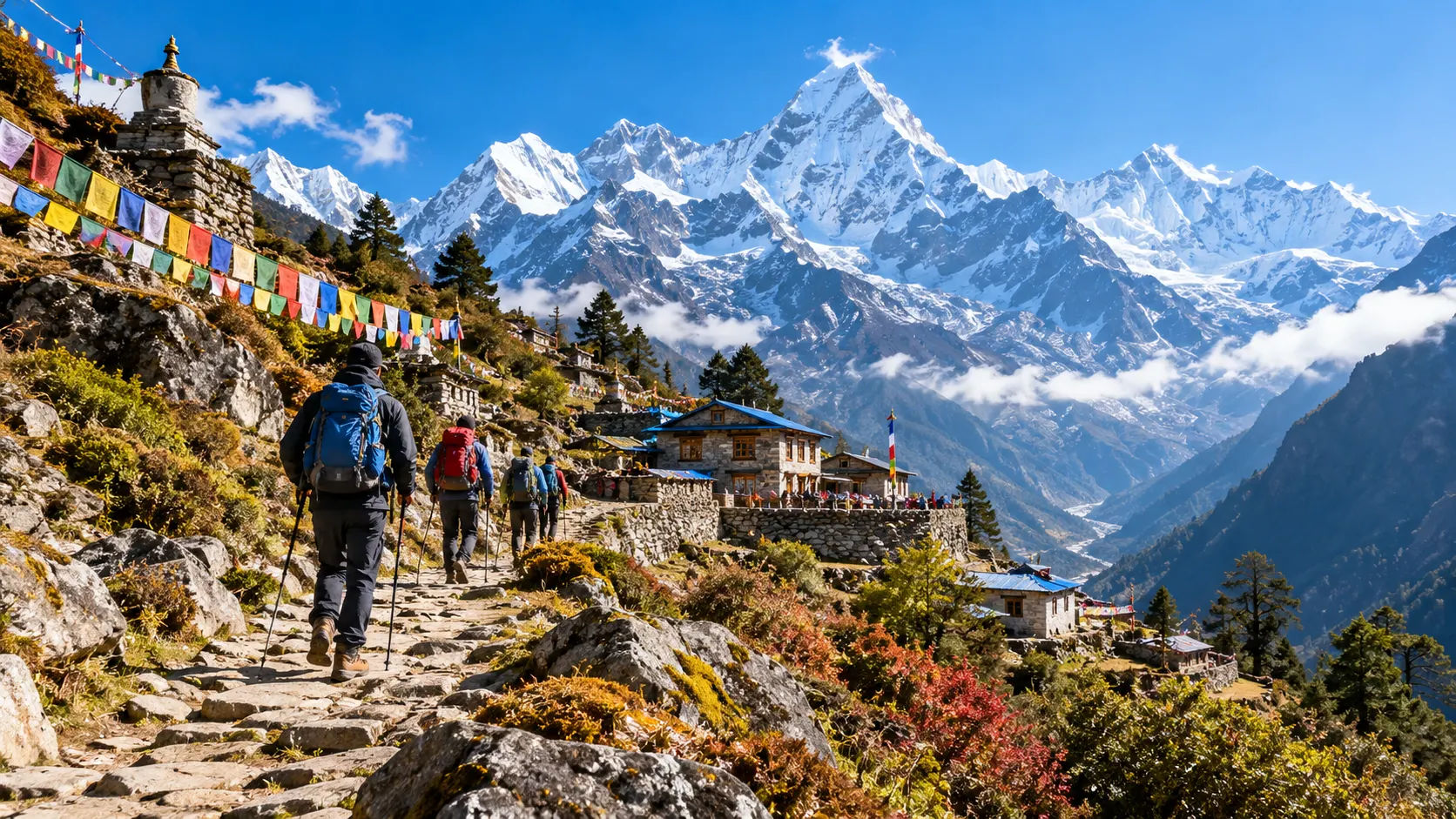
Trekking in Nepal is one of the most unforgettable ways to experience the breathtaking beauty of the Himalayas. From snow-covered mountains and peaceful valleys to traditional villages and ancient monasteries, Nepal offers extraordinary landscapes and rich cultural experiences. Whether you dream of seeing Mount Everest or exploring the Annapurna region, the country has trekking routes for different interests, experience levels, and travel schedules.
However, planning a Himalayan adventure requires more than choosing a beautiful destination. Understanding trekking seasons, trail conditions, permits, accommodation, and altitude-related risks is essential for a safe and enjoyable experience. This comprehensive guide explores the best trekking routes in Nepal, their major attractions, and practical travel tips to help you prepare for a memorable journey.
Why Trekking in Nepal Is So Popular
Nepal is internationally recognized as one of the world’s leading trekking destinations because of its remarkable Himalayan scenery. The country is home to eight of the world’s fourteen mountains exceeding 8,000 meters. Travelers can experience dramatic mountain landscapes, deep valleys, alpine forests, and traditional settlements. This geographical diversity makes trekking in Nepal an exceptional experience for nature enthusiasts.
Another reason for Nepal’s popularity is the variety of established trekking routes available. Some trails offer relatively gentle walks through villages and forests, while others involve demanding high-altitude environments. Popular trekking regions include Everest, Annapurna, Langtang, and Manaslu. Each destination provides distinctive landscapes, cultural traditions, and opportunities to experience Nepal’s natural heritage.
Cultural encounters also make Himalayan trekking particularly memorable. Many trails pass through communities where visitors can learn about local customs, traditional architecture, and regional food. Teahouses provide accommodation and opportunities to interact with residents. These experiences allow travelers to appreciate Nepal beyond its famous mountains while supporting communities that depend partly on responsible tourism.
Everest Base Camp Trek: Nepal’s Most Famous Route
The Everest Base Camp Trek is among the most recognized trekking experiences in the world. Located in the Khumbu region, the route offers spectacular views of towering Himalayan peaks and impressive mountain landscapes. The traditional itinerary begins near Lukla and passes through Sherpa settlements. Trekkers experience a combination of mountain scenery, cultural landmarks, and established village trails.
Namche Bazaar is one of the most important settlements along the Everest Base Camp route. This mountain town provides accommodation, shops, and opportunities to learn about Sherpa culture. Other highlights include Tengboche Monastery and views of peaks such as Ama Dablam. These locations contribute to the region’s cultural significance and remarkable natural appeal.
Everest Base Camp stands at approximately 5,364 meters above sea level, making altitude a major consideration. Most itineraries allow around twelve to sixteen days, including time for gradual acclimatization. Conditions can be physically demanding, and altitude illness is a serious risk. Travelers should seek appropriate medical guidance and arrange experienced local support before considering this route.
Annapurna Circuit Trek: Diverse Himalayan Landscapes
The Annapurna Circuit Trek is famous for its changing landscapes and remarkable mountain scenery. The route passes through river valleys, traditional villages, forests, and high-altitude terrain. Travelers encounter different climates and cultural communities along the journey. This diversity makes the Annapurna region one of Nepal’s most fascinating destinations for understanding Himalayan geography and local traditions.
A major landmark on the Annapurna Circuit is Thorong La Pass, situated at approximately 5,416 meters. The pass connects important sections of the route and is known for demanding mountain conditions. Weather, snow, and altitude can significantly affect accessibility. Crossing the pass requires careful professional planning, suitable conditions, and appropriate acclimatization rather than an inflexible travel schedule.
Traditional Annapurna Circuit itineraries may take around two to three weeks, although road development has changed some commonly used routes. Villages such as Manang and Muktinath remain important cultural attractions. Buddhist and Hindu traditions influence the region’s religious heritage. Travelers should choose established itineraries that prioritize safety, acclimatization, and respect for local communities.
Annapurna Base Camp Trek: Mountains and Culture
The Annapurna Base Camp Trek offers an impressive introduction to Nepal’s central Himalayan landscapes. The route passes through traditional villages, terraced farmland, forests, and mountain valleys before reaching the Annapurna Sanctuary. Visitors can admire dramatic views of Annapurna South, Machapuchare, and surrounding peaks. The changing scenery gives the journey considerable visual and cultural variety.
Many itineraries begin in the Pokhara region, which serves as a major gateway to Annapurna trekking destinations. Depending on the chosen route and pace, the trek commonly takes approximately seven to twelve days. Villages and teahouses provide opportunities to experience regional hospitality. Seasonal weather conditions can affect the suitability and accessibility of different trail sections.
Annapurna Base Camp is located at approximately 4,130 meters, where altitude-related health risks remain important. Although the route is lower than some other Himalayan treks, it should not be treated as automatically easy. Visitors need suitable preparation, realistic expectations, and professional advice about acclimatization. Enjoying the scenery safely is more important than completing a predetermined schedule.
Langtang Valley Trek: A Beautiful Himalayan Escape
The Langtang Valley Trek is a popular option for travelers interested in Himalayan scenery relatively close to Kathmandu. The region features forested valleys, rivers, traditional settlements, and mountain views. Its landscapes differ from those found in the Everest and Annapurna regions. This variety makes Langtang an appealing destination for visitors exploring Nepal’s diverse natural environments.
The route passes through communities influenced by Tamang and Tibetan cultural traditions. Kyanjin Gompa is a well-known settlement surrounded by dramatic mountain scenery. Visitors can experience local hospitality and learn about religious landmarks and village life. These cultural encounters add depth to the journey and encourage appreciation for the region’s history.
Many Langtang Valley itineraries take approximately seven to ten days, depending on the starting point and planned activities. Some optional viewpoints involve considerably higher elevations and more demanding conditions. Appropriate acclimatization remains essential throughout the journey. Checking current trail conditions and arranging qualified local guidance can help travelers make informed decisions about their itinerary.
Poon Hill Trek: A Shorter Himalayan Experience
The Poon Hill Trek is widely known for its accessible duration and beautiful mountain panoramas. Located in the Annapurna region, the journey passes through villages, forests, and hillside landscapes. Visitors can experience traditional mountain hospitality without committing to a lengthy expedition. The trail is often considered by travelers seeking a shorter introduction to trekking in Nepal.
One of the highlights is the panoramic mountain scenery visible from Poon Hill, which stands at approximately 3,210 meters. On clear days, visitors may see Annapurna and Dhaulagiri peaks. The surrounding landscape changes with the seasons, adding natural beauty throughout the year. Spring is particularly associated with colorful rhododendron forests in the region.
Typical Poon Hill itineraries last around four to five days, although duration varies by starting location. Despite its shorter length, the route includes substantial uphill sections and changing mountain weather. It still requires reasonable physical preparation and appropriate safety planning. Beginners should discuss route suitability with an experienced trekking professional before making arrangements.
Mardi Himal Trek: Scenic Mountain Views
The Mardi Himal Trek offers beautiful views of the Annapurna mountain range and surrounding Himalayan landscapes. The route is known for forest trails, mountain ridges, and scenic viewpoints. Compared with some established long-distance routes, certain sections have a quieter atmosphere. This makes the destination interesting for travelers who appreciate natural scenery and smaller mountain settlements.
The region provides striking views of Machapuchare, Annapurna South, and nearby Himalayan peaks. Lower sections pass through forests, while higher areas feature more exposed mountain landscapes. These changes create a distinctive visual experience. Weather conditions and visibility can vary considerably, especially near elevated viewpoints and during less favorable trekking seasons.
Mardi Himal itineraries commonly require around five to seven days, depending on the selected route. Higher viewpoints reach elevations above 4,000 meters, making acclimatization and weather awareness important. Some trail sections can be steep or exposed. Choosing an experienced guide and reviewing current conditions are sensible steps when evaluating whether this trek is appropriate.
Manaslu Circuit Trek: Remote Cultural Landscapes
The Manaslu Circuit Trek is known for its remote setting and spectacular Himalayan scenery. The route travels through valleys, traditional villages, and mountain environments surrounding Mount Manaslu. Travelers encounter landscapes that differ from Nepal’s busier trekking regions. Its cultural diversity and dramatic geography attract visitors interested in exploring less-developed tourism destinations.
Communities along the Manaslu Circuit preserve important local traditions, architecture, and religious heritage. Buddhist monasteries, prayer flags, and traditional settlements reflect the region’s cultural character. Travelers can learn about everyday mountain life while supporting responsible tourism. Respectful interaction with residents helps protect the cultural identity of communities along the route.
The circuit includes Larkya La Pass, which reaches approximately 5,106 meters and presents serious altitude and weather challenges. Many itineraries take around fourteen to eighteen days. The region also has restricted-area permit requirements and regulated trekking arrangements. Professional guidance, appropriate preparation, and flexible scheduling are essential considerations for anyone evaluating this demanding journey.
Best Time for Trekking in Nepal
Choosing the best time for trekking in Nepal can significantly influence visibility, trail accessibility, and overall comfort. Spring, generally from March through May, is a popular season for Himalayan travel. Many lower-elevation areas experience pleasant conditions, while flowering rhododendrons brighten forest landscapes. However, temperatures and weather patterns vary widely between different elevations.
Autumn, particularly September through November, is another highly regarded trekking season. After the summer monsoon, many regions experience clearer mountain views and relatively stable weather. October is especially popular among visitors exploring established Himalayan routes. Accommodation and transportation can become busy during peak travel periods, making advance planning valuable.
Winter brings colder temperatures, shorter daylight hours, and snow-related challenges at higher elevations. The summer monsoon can create heavy rainfall, slippery trails, landslides, and transportation disruptions. Some rain-shadow regions experience different seasonal patterns. Rather than assuming conditions are predictable, travelers should review current forecasts and consult qualified local professionals before selecting dates.
Trekking Permits and Guide Requirements in Nepal
Trekking permits are an important part of planning a legal and responsible Himalayan journey. Requirements vary according to the region, conservation area, national park, and route selected. Certain destinations require a Trekkers’ Information Management System card, commonly called TIMS. Additional protected-area entry permits or special trekking authorizations may also be necessary.
Nepal’s trekking regulations include licensed-guide and agency-issued TIMS requirements for many designated routes. Restricted areas such as parts of Manaslu and Upper Mustang have additional permit conditions. Some destinations, particularly routes in the Everest region, have locally administered systems that can differ from general national guidance. Visitors should confirm route-specific requirements directly before departure.
Permit fees, guide rules, and application procedures can change, so relying on outdated advice is risky. A registered trekking agency can help clarify the documents required for a particular journey. Travelers should also verify passport, visa, and insurance conditions. Completing the necessary arrangements helps support responsible tourism and reduces administrative problems during travel.
Accommodation and Food on Nepal Trekking Routes
Teahouses are a traditional accommodation option along many established trekking routes in Nepal. These simple guesthouses typically provide rooms, meals, and shared facilities for travelers. Standards vary depending on the location, altitude, and accessibility of the settlement. Staying in teahouses allows visitors to experience local hospitality while supporting mountain communities.
Popular trekking meals include dal bhat, a traditional combination of lentils, rice, and accompanying dishes. Many teahouses also serve soups, noodles, potatoes, and other straightforward meals. Menus may become more limited as elevation increases and supplies become harder to transport. Checking food hygiene and drinking-water arrangements remains an important part of travel planning.
Accommodation prices and available facilities can differ considerably between routes and seasons. Hot showers, charging facilities, and internet access may involve additional charges or be unavailable in remote settlements. During busy periods, popular locations can fill quickly. Travelers should discuss accommodation expectations and meal arrangements with their trekking organizer before beginning the journey.
Essential Packing Tips for Himalayan Trekking
Packing appropriately is important because mountain weather can change rapidly, even during popular trekking seasons. Clothing should provide comfort and suitable protection from temperature changes, rain, and wind. Layering is commonly used because conditions differ between lower valleys and higher elevations. Travelers should choose equipment based on professional recommendations for their particular route.
Comfortable footwear, weather-resistant outerwear, warm clothing, and basic personal necessities are commonly considered when preparing for a trekking holiday. Individual equipment needs depend on season, altitude, accommodation, and medical circumstances. Avoid assuming that one packing checklist is suitable for every destination. Qualified trekking operators can explain the requirements of specific itineraries.
Travel documents, approved permits, appropriate insurance details, and essential prescribed medication also deserve attention. Mountain regions may have limited access to pharmacies, communications, and medical facilities. Discussing personal health needs with a healthcare professional before departure is advisable. Thoughtful preparation reduces avoidable inconvenience and supports more responsible decision-making throughout the trip.
Understand Altitude Sickness and Trekking Safety
Altitude sickness is a serious concern on many Himalayan trekking routes because reduced oxygen availability can affect travelers at higher elevations. Symptoms may include headache, nausea, dizziness, unusual fatigue, and difficulty sleeping. Physical fitness does not guarantee protection against altitude illness. Recognizing potential problems early is important for anyone visiting elevated mountain environments.
A gradual itinerary and appropriate acclimatization planning can reduce some altitude-related risks, although they cannot eliminate them. Travelers should never feel pressured to continue ascending when symptoms develop. Worsening symptoms require prompt action, including stopping further ascent, obtaining medical assistance, and descending when appropriate. Severe altitude illness can become a medical emergency.
Professional guidance, suitable insurance, and reliable communication arrangements are valuable safety considerations. Mountain weather, unstable trails, and transportation disruptions can create unexpected difficulties. Trekkers should respect local warnings, avoid unnecessary risks, and remain flexible when conditions change. A successful Himalayan experience is one that prioritizes health and safe decisions over reaching a destination.
Trekking Costs and Budget Planning in Nepal
The cost of trekking in Nepal depends on the route, season, duration, and level of support required. Major expenses may include permits, licensed guides, accommodation, meals, transportation, and travel insurance. Routes involving domestic flights or remote transportation can cost more. Comparing complete itinerary prices helps visitors understand what different packages include.
Budget-friendly teahouse accommodation is available on many established trekking routes, but prices often increase in remote mountain areas. Transportation, food supplies, and essential services can be expensive to deliver at higher elevations. Travelers should also consider equipment rental or purchase expenses. Planning for these costs helps prevent financial surprises during a journey.
When evaluating trekking packages, check whether permit charges, guide services, meals, accommodation, and emergency arrangements are included. The least expensive option is not necessarily the most suitable. Experience, safety procedures, and transparent pricing should influence your decision. Maintaining an emergency budget provides additional flexibility if weather or transportation conditions affect your plans.
Responsible Trekking and Respect for Local Communities
Responsible trekking helps protect Nepal’s fragile mountain ecosystems and supports communities that welcome visitors. Himalayan environments can be sensitive to waste, trail erosion, and increasing tourism pressure. Travelers should follow established environmental guidance and dispose of rubbish appropriately. Respecting protected-area regulations helps preserve these remarkable landscapes for future generations.
Supporting local businesses is another meaningful part of responsible travel. Staying in locally operated accommodation, purchasing regional products, and using qualified local services can contribute to community economies. Travelers should respect cultural traditions and ask permission before photographing people or religious activities. Thoughtful interactions create more positive experiences for visitors and residents alike.
Wildlife and natural habitats also deserve careful consideration. Observe animals from an appropriate distance and avoid disturbing vegetation or sensitive environments. Follow the instructions of park authorities and experienced local guides. Responsible trekking is not simply about reaching scenic destinations; it also involves protecting the landscapes and communities that make Nepal special.
Conclusion
Trekking in Nepal offers an extraordinary combination of Himalayan scenery, cultural discovery, and memorable outdoor experiences. From the famous Everest Base Camp route to the beautiful Annapurna and Langtang regions, the country features remarkable trekking destinations. Each route has different characteristics, environmental conditions, and preparation requirements. Choosing an appropriate destination is the foundation of a rewarding journey.
Successful trekking plans depend on understanding seasonal weather, altitude risks, local regulations, and available facilities. Travelers should confirm current permit requirements, arrange qualified guidance where necessary, and seek appropriate health advice. Flexible schedules and realistic expectations are equally valuable. Prioritizing safety allows visitors to appreciate Nepal’s natural beauty without unnecessary pressure.
Whether you are exploring a shorter mountain route or researching a longer Himalayan itinerary, Nepal offers fascinating opportunities to discover its landscapes and traditions. Take time to learn about local communities and travel responsibly. With thoughtful planning and professional support, a trekking holiday can become a meaningful experience filled with breathtaking scenery, cultural understanding, and lasting memories.
FAQs
What is the best trekking route in Nepal for beginners?
Poon Hill and selected lower-elevation routes near the Annapurna region are often considered introductory options. However, steep terrain, weather, and personal circumstances still matter, so choose a route with qualified local guidance.
What is the best month for trekking in Nepal?
October is particularly popular because many trekking regions experience relatively clear skies and favorable visibility. April is another common choice, offering spring scenery and flowering rhododendrons in several lower-elevation areas.
How much does trekking in Nepal cost?
Costs vary considerably depending on route duration, permits, accommodation, transportation, and guide services. Compare complete package inclusions and allow extra funds for insurance, equipment, and unexpected travel disruptions.
Do you need a guide for trekking in Nepal?
Licensed guides are required on many designated routes, while locally administered rules differ in some regions. Restricted areas have additional requirements. Always verify the current regulations for your exact itinerary before making arrangements.
Is trekking in Nepal safe for first-time visitors?
Many established routes can be suitable for prepared first-time visitors with appropriate guidance. However, altitude illness, unpredictable weather, and difficult terrain present genuine risks that require professional planning and responsible decisions.