

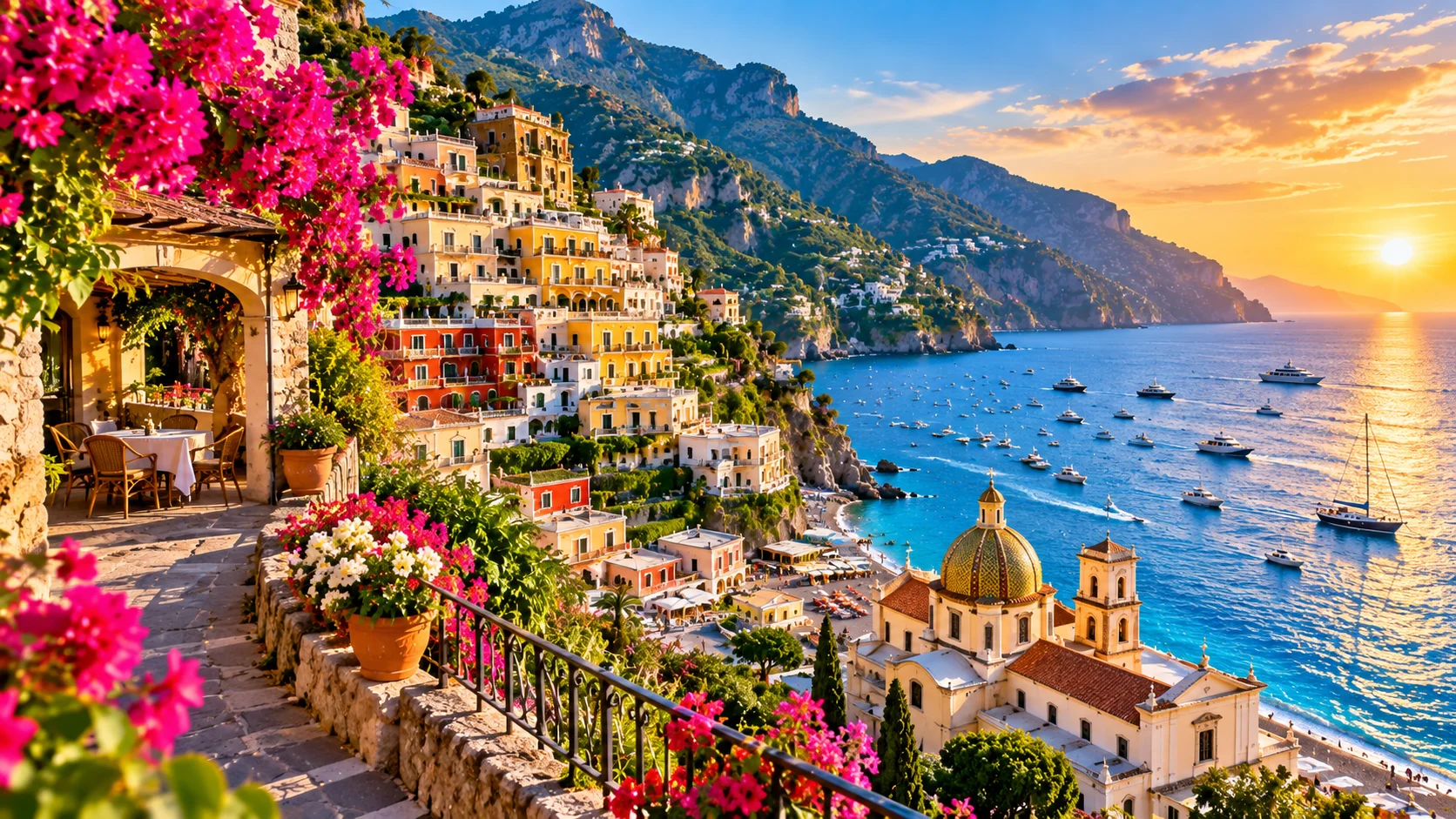
Italy is one of the most beautiful travel destinations in Europe, famous for its historic cities, breathtaking coastlines, delicious cuisine, and remarkable cultural heritage. From the ancient ruins of Rome to the romantic canals of Venice, the country offers unforgettable experiences for travelers. Exploring the best places to visit in Italy allows you to discover a wonderful combination of art, history, nature, and modern Italian life.
Every region of Italy has something different to offer. Northern Italy features dramatic mountains, beautiful lakes, and elegant cities, while central Italy is known for Renaissance architecture and picturesque countryside. Southern Italy attracts visitors with sunny beaches, charming coastal towns, and fascinating archaeological sites. These diverse landscapes make the country appealing throughout the year.
Whether you are planning your first Italian vacation or returning to explore new destinations, choosing the right places can make your journey more enjoyable. This guide covers Italy’s top attractions, famous cities, beautiful islands, and hidden cultural treasures. You will also discover practical travel tips, seasonal recommendations, and ideas for creating a memorable itinerary.
Why Is Italy One of the Best Countries to Visit?
Italy attracts millions of travelers because of its extraordinary historical and cultural attractions. Ancient Roman ruins, Renaissance masterpieces, medieval towns, and impressive cathedrals are found throughout the country. Many destinations preserve centuries of architecture and artistic traditions. Visitors can explore famous landmarks while discovering how different civilizations influenced Italian culture.
Another reason to visit Italy is its remarkable natural beauty. The country features Mediterranean beaches, scenic lakes, rolling hills, volcanic landscapes, and the towering peaks of the Alps. Travelers can enjoy peaceful countryside experiences or spend time in lively coastal destinations. This variety makes Italy suitable for sightseeing, relaxation, and outdoor exploration.
Italian food and everyday culture also contribute to the country’s appeal. Different regions have distinctive pasta dishes, traditional desserts, local ingredients, and cooking methods. Visitors can explore neighborhood markets, family-run restaurants, and historical town squares. These experiences provide opportunities to appreciate Italian traditions beyond the country’s famous tourist attractions.
Rome: Explore the Eternal City’s Historic Attractions
Rome is Italy’s capital and one of the most important historical cities in the world. Its streets contain ancient monuments, beautiful squares, and architectural landmarks from different periods. The Colosseum is among Rome’s most recognizable attractions and provides insight into entertainment during the Roman Empire. Nearby, the Roman Forum reveals the remains of important civic and religious buildings.
Visitors can also explore the Pantheon, Piazza Navona, and the famous Trevi Fountain. These attractions showcase different aspects of Rome’s architectural and artistic heritage. Vatican City, an independent state surrounded by Rome, is home to St. Peter’s Basilica and the Vatican Museums. Its extraordinary collections attract travelers interested in art and religious history.
Rome is best explored over several days because its attractions are spread across different neighborhoods. Walking between historical landmarks allows visitors to discover local cafes, small streets, and traditional restaurants. Public transportation can help with longer distances. Booking popular attractions in advance may reduce waiting times, particularly during the busiest travel months.
Venice: Discover Beautiful Canals and Historic Architecture
Venice is one of Italy’s most distinctive destinations because its historic center is built across islands connected by canals and bridges. Instead of ordinary road traffic, visitors encounter boats, water buses, and pedestrian streets. The city’s unusual layout creates a memorable atmosphere. Historic buildings and elegant bridges make Venice especially appealing to travelers interested in architecture and photography.
St. Mark’s Square is one of Venice’s most famous attractions. Visitors can admire St. Mark’s Basilica, the Doge’s Palace, and the surrounding historic buildings. The Grand Canal offers beautiful views of waterfront palaces and passing boats. Rialto Bridge is another recognizable landmark and a popular place to experience the city’s busy waterways.
Travelers should allow time to explore Venice beyond its major tourist attractions. Quieter neighborhoods reveal small canals, local shops, and traditional residential streets. Nearby islands such as Murano and Burano offer additional cultural experiences. Before traveling, check whether Venice has scheduled visitor access fees or registration requirements for your chosen dates.
Florence: The Best Destination for Renaissance Art
Florence is one of Italy’s most important cultural destinations and a major center of Renaissance history. Located in Tuscany, the city is famous for its museums, architecture, and artistic heritage. Visitors can explore magnificent buildings and public squares while learning about influential Italian artists. Florence is particularly rewarding for travelers interested in art and history.
The Cathedral of Santa Maria del Fiore, commonly called the Florence Duomo, is one of the city’s most recognizable landmarks. Its impressive dome dominates the historical skyline. The Uffizi Gallery contains remarkable collections of Renaissance artwork, while the Accademia Gallery is famous for Michelangelo’s David. These attractions provide opportunities to appreciate masterpieces of European art.
Florence also offers beautiful streets, historic bridges, and traditional Tuscan restaurants. Ponte Vecchio is a popular landmark crossing the Arno River and is known for its distinctive shops. Visitors can enjoy panoramic city views from Piazzale Michelangelo. Staying two or three days allows time to explore major attractions without rushing between museums.
Amalfi Coast: Visit Italy’s Most Beautiful Coastal Towns
The Amalfi Coast is one of Italy’s most celebrated coastal destinations, known for dramatic cliffs, colorful villages, and Mediterranean views. Located in the Campania region, the coastline features winding roads and charming towns overlooking the sea. Its remarkable scenery attracts visitors from around the world. The region is especially popular during warmer months.
Positano is among the most recognizable destinations on the Amalfi Coast. Its pastel-colored buildings rise above narrow streets and attractive coastal scenery. Amalfi is another important town, offering historic architecture, waterfront areas, and a lively central square. Ravello provides beautiful elevated views and impressive historic villas surrounded by gardens.
Traveling along the Amalfi Coast requires careful planning because roads can become crowded during peak periods. Ferries operate on selected routes when weather and seasonal schedules allow. Visitors may prefer staying in one town and exploring nearby destinations through day trips. Allowing extra time helps make the experience more relaxing and enjoyable.
Cinque Terre: Explore Five Colorful Coastal Villages
Cinque Terre is a beautiful coastal destination in the Liguria region of northwestern Italy. It consists of five villages: Monterosso al Mare, Vernazza, Corniglia, Manarola, and Riomaggiore. These communities are known for colorful buildings, terraced hillsides, and dramatic views of the Ligurian Sea. The surrounding landscape creates a memorable setting for sightseeing.
Each village offers a slightly different experience. Monterosso has notable beach areas, while Vernazza is famous for its picturesque harbor and waterfront scenery. Manarola and Riomaggiore feature colorful buildings overlooking rocky coastal landscapes. Corniglia sits above the sea and provides impressive views of the surrounding countryside.
Trains connect the five villages and are often the most convenient transportation option. Walking trails also link selected locations, although access may change because of weather or maintenance. Travelers should check trail conditions before planning hikes. Staying overnight or visiting outside peak hours can provide more time to enjoy the coastal atmosphere.
Milan: Discover Fashion, Architecture, and Modern Italy
Milan is one of Italy’s leading cities for fashion, design, business, and contemporary culture. Located in northern Italy, it offers a different atmosphere from historic destinations such as Florence and Venice. The city combines modern shopping districts with impressive architectural landmarks. Visitors interested in urban experiences will find many attractions worth exploring.
Milan Cathedral, commonly called the Duomo di Milano, is the city’s most famous landmark. Its elaborate Gothic architecture and detailed exterior make it a remarkable attraction. Nearby, Galleria Vittorio Emanuele II is known for its elegant shopping arcade. Visitors can also explore museums, historic churches, and cultural exhibitions throughout the city.
Art enthusiasts may wish to see Leonardo da Vinci’s Last Supper, which requires advance reservation because access is limited. Milan also offers attractive neighborhoods with cafes, restaurants, and public spaces. Its transportation connections make it a convenient base for visiting nearby northern Italian destinations. Two days can provide a useful introduction to the city.
Lake Como: Enjoy Beautiful Lakes and Mountain Views
Lake Como is one of northern Italy’s most scenic destinations, surrounded by mountains and attractive lakeside communities. Located in the Lombardy region, it is known for elegant villas, waterfront gardens, and peaceful natural scenery. The lake’s distinctive shape creates numerous beautiful viewpoints. Visitors often choose Lake Como for a relaxing break from larger cities.
Bellagio is one of the best-known towns around Lake Como. Its narrow streets, waterfront setting, and traditional buildings create a charming atmosphere. Varenna is another popular destination, offering colorful houses and scenic lakeside walks. The town of Como also provides historic attractions and transportation connections to surrounding areas.
Passenger ferries connect several communities around the lake and provide enjoyable views of the surrounding mountains. Visitors can explore gardens, historic villas, and local restaurants during their stay. Weather conditions vary by season, making spring through early autumn popular for outdoor sightseeing. Lake Como is particularly appealing to travelers seeking scenery and relaxation.
Tuscany: Experience Beautiful Countryside and Historic Towns
Tuscany is one of Italy’s most recognizable regions, famous for rolling hills, medieval villages, and historic cities. Its landscapes feature farmland, olive groves, cypress trees, and traditional stone buildings. Visitors can explore charming communities while enjoying peaceful countryside views. Tuscany is ideal for travelers who appreciate cultural attractions and slower-paced experiences.
Siena is one of the region’s most important historical destinations. The city is known for its medieval architecture and Piazza del Campo, a remarkable central square. San Gimignano is another famous town, recognized for its surviving medieval towers. Both destinations offer opportunities to discover traditional streets, historic buildings, and local cultural heritage.
The Val d’Orcia area is particularly popular for scenic countryside experiences. Its gentle hills, small towns, and winding roads create beautiful landscapes throughout the year. Travelers can visit places such as Pienza and Montepulciano while exploring regional food traditions. Renting a vehicle may provide flexibility in rural areas where public transportation is limited.
Naples and Pompeii: Discover Ancient History and Local Culture
Naples is a lively city in southern Italy known for its historic streets, rich cultural heritage, and traditional cuisine. Located near the Bay of Naples, it provides access to important archaeological attractions and beautiful coastal scenery. The city has a distinctive atmosphere shaped by centuries of history. Visitors can explore historic neighborhoods, museums, and waterfront areas.
One of the region’s most famous attractions is Pompeii, an ancient Roman city preserved after the eruption of Mount Vesuvius in 79 CE. Archaeological remains include streets, houses, public buildings, and decorative artwork. Visitors can explore designated areas and learn about everyday life during the Roman period. Guided tours can provide useful historical explanations.
Naples is also celebrated for its pizza traditions and regional dishes. Travelers can explore local food culture while visiting historical attractions throughout the city. Nearby Herculaneum provides another remarkable archaeological experience. Naples can also serve as a practical base for selected trips to the surrounding Campania region.
Sicily: Explore Italy’s Largest Mediterranean Island
Sicily is the largest island in the Mediterranean Sea and offers a remarkable combination of history, coastline, and natural landscapes. Its cultural heritage reflects influences from several civilizations, including Greek, Roman, Arab, and Norman societies. Visitors can discover ancient monuments, historic cities, and traditional communities. The island also features beautiful beaches and mountainous scenery.
Palermo, Sicily’s capital, is known for its markets, historic architecture, and distinctive food traditions. Taormina is another popular destination, offering attractive streets and views of the Ionian Sea. The ancient Greek Theatre of Taormina is among its most recognizable landmarks. Visitors interested in archaeology can also explore the Valley of the Temples near Agrigento.
Mount Etna is one of Sicily’s most remarkable natural attractions and an active volcano. Its surrounding landscapes include volcanic rock formations and changing mountain scenery. Excursions should follow current access restrictions and guidance from qualified local operators. Sicily is best explored over several days because its attractions are spread across a large island.
Dolomites: Discover Italy’s Spectacular Mountain Landscapes
The Dolomites are a mountain range in northeastern Italy, famous for dramatic limestone peaks and beautiful alpine scenery. They form part of the Southern Limestone Alps and include several protected natural landscapes. Visitors come to admire mountain views, explore scenic villages, and enjoy outdoor experiences. The region offers a striking contrast to Italy’s historic cities and Mediterranean coastlines.
Popular destinations include Cortina d’Ampezzo, Val Gardena, and the area surrounding Lago di Braies. These locations offer attractive mountain landscapes and access to established walking routes. Scenic viewpoints allow visitors to appreciate the distinctive shapes of the peaks. Weather conditions can change quickly in mountainous areas, so appropriate preparation is important.
The Dolomites provide different experiences throughout the year. Warmer months are popular for sightseeing and suitable hiking routes, while winter attracts visitors interested in established mountain resorts. Some roads, trails, and lifts operate seasonally. Checking conditions before traveling helps visitors select activities that match their experience and available equipment.
Best Time to Visit Italy for Sightseeing
The best time to visit Italy depends on the destinations and experiences included in your itinerary. Spring, particularly April through June, is popular because many regions experience comfortable temperatures and attractive landscapes. Historic cities can be enjoyable for walking during this period. However, major holidays and popular attractions may still draw large crowds.
Summer brings warmer weather and is a popular season for beaches, islands, and mountain destinations. Coastal towns such as Positano and Monterosso can become particularly busy during July and August. Inland cities may experience intense afternoon heat. Travelers should consider early sightseeing, suitable clothing, and advance accommodation reservations during peak periods.
Autumn, especially September and October, can offer pleasant conditions for exploring many Italian cities and countryside destinations. Winter provides opportunities to discover museums, seasonal celebrations, and mountain resorts. Weather varies considerably between northern and southern Italy. Researching regional conditions helps travelers choose appropriate dates for their preferred activities.
Essential Travel Tips for Visiting Italy
Planning transportation in advance can make traveling around Italy significantly easier. The country’s rail network connects many major cities, including Rome, Florence, Milan, Venice, and Naples. High-speed trains are particularly useful for traveling between established urban destinations. Regional trains, buses, and ferries provide additional connections to smaller towns and coastal areas.
Travelers should check passport validity, visa requirements, and entry conditions before departure. Italy belongs to the Schengen Area, and entry rules depend on nationality and travel circumstances. Popular attractions may require advance reservations or timed tickets. Confirming official booking arrangements helps avoid unnecessary complications during a trip.
Comfortable walking shoes are useful because many historic city centers feature cobblestone streets and extensive pedestrian areas. Visitors should also respect cultural sites, local regulations, and appropriate clothing requirements at religious buildings. Keep valuables secure in busy tourist locations and use reliable transportation providers. Thoughtful preparation makes exploring Italy more comfortable and enjoyable.
Conclusion
Italy is an extraordinary destination offering historic cities, beautiful coastlines, scenic mountains, and remarkable cultural attractions. From the ancient monuments of Rome to the canals of Venice and the artistic treasures of Florence, the country provides unforgettable sightseeing opportunities. Each region offers something distinctive for travelers interested in history, culture, food, or natural beauty.
The best places to visit in Italy depend on your travel interests and available time. Coastal destinations such as the Amalfi Coast and Cinque Terre are ideal for scenic views, while Tuscany and Lake Como offer peaceful landscapes. Sicily and the Dolomites provide additional opportunities to discover Italy’s geographical diversity. Combining a few destinations creates a more comfortable itinerary.
Whether you are visiting for a short holiday or planning an extended European vacation, Italy rewards thoughtful exploration. Research seasonal weather, transportation connections, accommodation options, and attraction reservations before departure. Allow time to enjoy local food, traditional neighborhoods, and everyday cultural experiences. With careful planning, your Italian journey can become a memorable travel experience.
Frequently Asked Questions
1. What are the best places to visit in Italy for the first time?
Rome, Florence, and Venice are excellent destinations for first-time visitors. They offer famous historical landmarks, Renaissance art, and distinctive architecture. Travelers with additional time can explore Tuscany or the Amalfi Coast.
2. Which city in Italy is the most beautiful?
Italy has many beautiful cities, and the best choice depends on personal preferences. Venice is famous for its canals, Florence for Renaissance architecture, and Rome for its extraordinary ancient monuments.
3. How many days are enough to explore Italy?
Seven to ten days can provide a good introduction to Rome, Florence, and Venice. Travelers planning to include coastal destinations, countryside regions, or islands may prefer two weeks or longer.
4. What is the best month to visit Italy?
May, June, September, and October are popular months because many destinations experience comfortable sightseeing weather. However, the best time depends on whether you prefer beaches, historic cities, or mountain activities.
5. What are the most famous tourist attractions in Italy?
Famous attractions include the Colosseum in Rome, Florence Cathedral, Venice’s Grand Canal, the Leaning Tower of Pisa, Pompeii, and the Amalfi Coast. Each represents an important part of Italy’s heritage.