

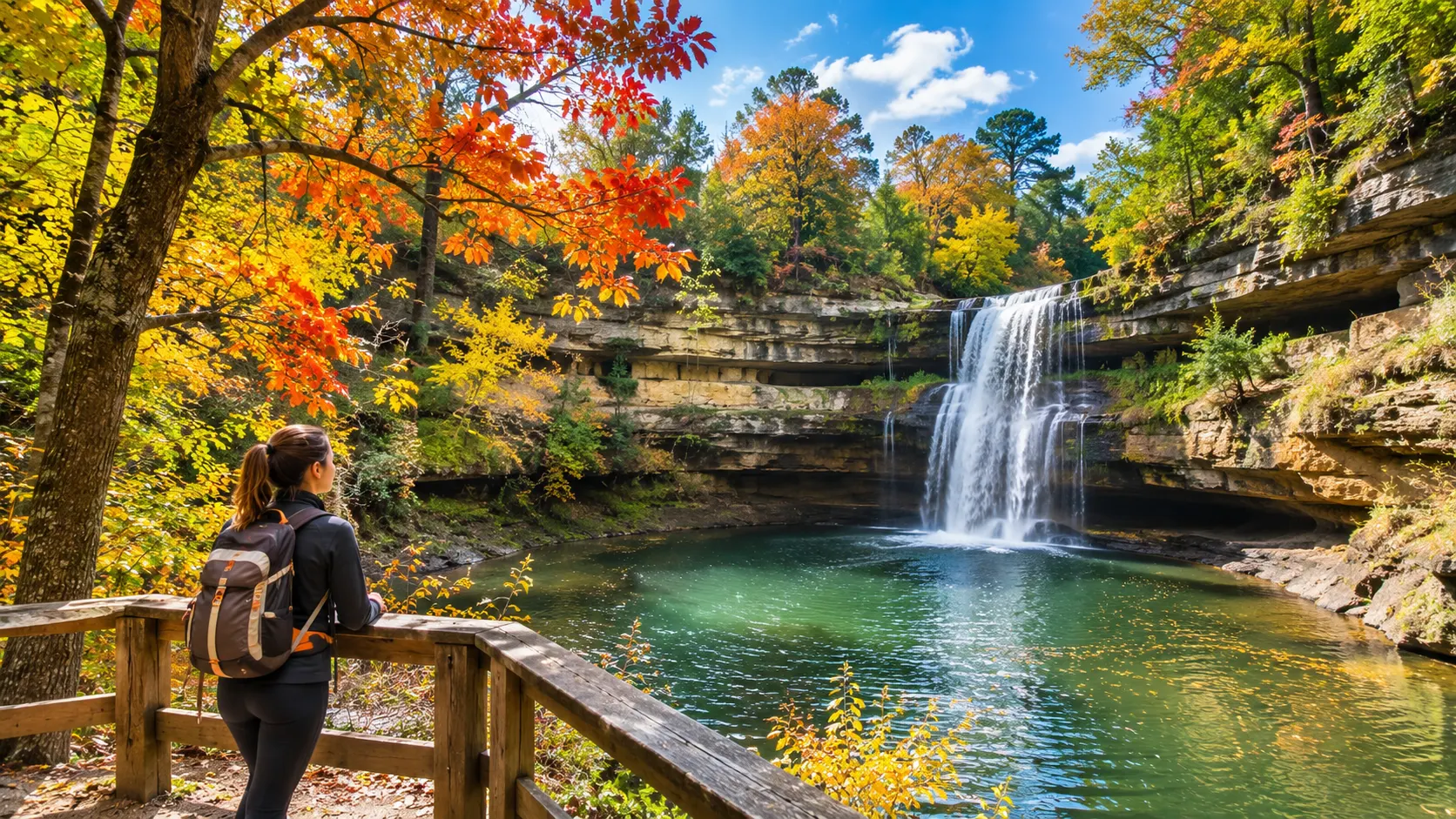
You spend hours planning a weekend getaway, hoping to return with beautiful photographs. But when you arrive, the lighting is poor, the waterfalls are dry, and your favorite viewpoint is crowded. Suddenly, capturing those memorable pictures becomes more challenging than expected.
Taking stunning Starved Rock State Park photos becomes easier when you know where to go and when to visit. This Illinois destination offers impressive sandstone canyons, seasonal waterfalls, colorful forests, and beautiful river overlooks. Each location provides unique photography opportunities.
Whether you use a smartphone or a professional camera, you can capture memorable images with some preparation. This guide covers the best photography spots, seasonal scenery, camera tips, and practical visiting advice. It will help you enjoy the park while creating photographs worth keeping.
What Makes Starved Rock State Park So Photogenic?
Illinois is often associated with farmland and city landscapes rather than dramatic natural scenery. However, Starved Rock State Park offers a surprisingly different environment. Its sandstone cliffs, wooded trails, and deep canyons attract nature lovers throughout the year.
Located near Utica, Illinois, the park features 18 sandstone canyons shaped by natural erosion over thousands of years. Seasonal waterfalls and elevated viewpoints provide excellent opportunities for landscape photography. The Illinois River adds another attractive element to the scenery.
Another reason photographers enjoy this destination is its changing appearance throughout the seasons. Spring brings flowing waterfalls, summer introduces green landscapes, and autumn transforms the forest with warm colors. Winter can provide beautiful snowy scenery and frozen waterfalls.
10 Best Spots for Starved Rock State Park Photos
Finding the most beautiful viewpoints can be difficult when visiting the park for the first time. Some attractions require longer walks, while others are relatively close to visitor facilities. These ten locations offer different perspectives of the park’s natural beauty.
1. Starved Rock Overlook
Starved Rock Overlook is one of the park’s most recognizable photography locations. It provides elevated views of the Illinois River and surrounding woodland. The observation area allows visitors to capture wide landscape photographs.
Morning light can create attractive reflections across the river. During autumn, colorful trees add depth and warmth to the surrounding scenery. Winter also provides opportunities to observe and photograph bald eagles from a distance.
Use a wide-angle camera setting to include the river and surrounding landscapes. Take both horizontal and vertical photographs to explore different compositions. Always remain within the designated observation area.
2. Lover’s Leap Overlook
Photographers searching for panoramic views should consider Lover’s Leap Overlook. This viewpoint provides attractive perspectives of the Illinois River and Starved Rock itself. Its elevated position makes it particularly appealing for landscape photography.
The surrounding trees create natural framing opportunities throughout the year. Autumn foliage can add beautiful contrasting colors to the river scenery. Cloudy conditions may also produce soft lighting across the landscape.
Visit during quieter morning hours if possible. Experiment with different compositions from the designated viewing platform. Avoid leaning over railings or entering restricted areas for photographs.
3. Eagle Cliff Overlook
Eagle Cliff Overlook is another excellent location for photographing the Illinois River. Visitors can appreciate expansive river views and observe birds from the designated platform. The landscape changes noticeably depending on weather and seasonal conditions.
Wildlife photographers may encounter bald eagles, herons, and other birds in the surrounding area. A zoom lens can help capture distant subjects without disturbing them. Patience often produces better wildlife photographs than constantly changing locations.
Use nearby trees to frame your landscape images. Check your camera settings to prevent bright skies from becoming overexposed. Remain respectful of other visitors sharing the observation area.
4. French Canyon
French Canyon is particularly popular because of its convenient location near the visitor center. Its curved sandstone walls and seasonal waterfall provide distinctive photography opportunities. The surrounding rock formations remain interesting even when water levels are low.
Photographing the canyon vertically helps capture its impressive height. You can also focus on sandstone textures, moss, and changing natural light. These smaller details can create attractive photographs without relying entirely on the waterfall.
Check trail conditions before visiting because wet surfaces may become slippery. Avoid entering waterways or climbing sandstone formations. Capture photographs from permitted areas and follow posted safety instructions.
5. Wildcat Canyon
Wildcat Canyon features one of the park’s most dramatic landscapes. It contains a waterfall approximately 70 feet high when sufficient water is flowing. The surrounding sandstone walls provide a striking natural background.
Visitors can capture interesting photographs from designated canyon overlooks. Looking across the canyon reveals different layers of rock and surrounding vegetation. Each season introduces new colors and photographic details.
A wide-angle lens is useful for showing the scale of the landscape. Cloudy weather can soften shadows across the canyon walls. Check trail accessibility and select viewpoints that match your mobility and comfort.
6. St. Louis Canyon
St. Louis Canyon is especially appealing to photographers interested in waterfalls. Its spring-fed waterfall may remain visible longer than many other waterfalls within the park. However, water flow still varies depending on environmental conditions.
The surrounding sandstone walls provide interesting patterns and natural colors. Photographers can capture detailed images of the rock formations and falling water. During colder months, frozen water formations may create additional visual interest.
Visit when weather and trail conditions are suitable. Protect your camera from moisture and avoid entering the waterfall area. Take photographs from approved locations without disturbing the surrounding environment.
7. Ottawa Canyon
Ottawa Canyon offers attractive sandstone scenery away from the main visitor center area. Its enclosed woodland setting provides opportunities to photograph natural textures and seasonal vegetation. A waterfall may appear when rainfall conditions are favorable.
The narrow landscape works particularly well for vertical photography. Interesting rock patterns can provide strong subjects even without flowing water. Soft natural light helps reveal the details of the sandstone surfaces.
Check whether the access route is open and suitable before leaving. Allow enough time to enjoy the scenery without rushing. Choose another location if the trail is closed or conditions are unsafe.
8. Kaskaskia Canyon
Kaskaskia Canyon provides another opportunity to explore the park’s distinctive geological features. Its sandstone formations and wooded surroundings create attractive nature photography subjects. Seasonal changes can significantly influence its appearance.
Look for interesting combinations of rock textures, greenery, and natural shadows. Close-up photographs can reveal details that are often overlooked in wider landscape images. Fallen leaves and changing light can also introduce visual interest.
Check available trail maps and current access information before visiting. Stay on designated paths throughout your photography session. Respect the area’s natural features and cultural history.
9. Aurora Canyon
Aurora Canyon is worth considering when exploring the western portion of the park. Its wooded surroundings and sandstone features offer opportunities for nature photography. The location provides a different perspective from the main river overlooks.
Focus on the relationship between trees, rock formations, and surrounding vegetation. Smaller natural details can become attractive subjects when lighting conditions are favorable. Overcast days may provide particularly balanced lighting.
Consider combining Aurora Canyon with a visit to St. Louis Canyon if conditions permit. Avoid rushing between locations simply to collect more photographs. Taking additional time at one viewpoint can produce more thoughtful compositions.
10. Starved Rock Lodge and Woodland Surroundings
Not every memorable Starved Rock State Park photograph needs to feature a waterfall. The historic lodge and surrounding woodland offer architectural and natural photography opportunities. Rustic buildings complement the park’s forested environment.
Photograph interesting architectural details, wooden structures, and seasonal scenery around the lodge. The outdoor sculpture collection provides additional subjects for creative compositions. These areas are useful alternatives when canyon conditions are unsuitable.
Respect guest privacy and ask permission before photographing restricted indoor spaces. Some organized or commercial photography activities may require approval. Check with the appropriate park or lodge staff beforehand.
Best Time to Take Starved Rock State Park Photos
Arriving at the wrong time can make photography more frustrating than necessary. Harsh sunlight, busy viewpoints, and deep shadows may affect your results. Planning around natural lighting helps improve the quality of your photographs.
Early morning often provides softer light and fewer visitors. Late afternoon can introduce warmer colors across woodland and river landscapes. Overcast conditions are particularly useful for photographing sandstone canyons and waterfalls.
Park trails generally open at 7 a.m. and close at sunset. Plan photography sessions within these operating hours and allow sufficient time to return. Never remain on trails after closing time to capture additional photographs.
Best Seasons for Photography at Starved Rock State Park
Many visitors expect the park to look exactly like the photographs they discover online. However, waterfalls, foliage, and wildlife activity change throughout the year. Choosing the right season helps you capture the scenery you prefer.
Spring: Waterfalls and Fresh Greenery
Spring is generally one of the best seasons for waterfall photography. Rainfall and melting snow can increase water flow through the park’s sandstone canyons. Fresh vegetation also introduces attractive green colors.
March through May often provides favorable waterfall conditions. However, heavy rainfall can temporarily affect trail accessibility and safety. Check weather forecasts and official park notices before traveling.
Summer: Green Forests and River Views
Summer brings dense foliage, bright landscapes, and longer daylight hours. The surrounding woodland provides excellent opportunities for nature photography. River overlooks can be particularly attractive during clear mornings.
Some seasonal waterfalls may become dry when rainfall decreases. Instead of depending entirely on waterfalls, photograph woodland scenery and sandstone formations. Early visits can also help you avoid the strongest afternoon heat.
Autumn: Colorful Forests and Scenic Landscapes
Fall is particularly appealing to landscape photographers because of the changing foliage. Orange, yellow, and red leaves create beautiful contrasts against sandstone cliffs. The Illinois River provides another attractive background for autumn photographs.
October is often a favorable month for fall colors, although peak foliage timing varies. Visit during weekdays when possible to avoid the busiest crowds. Experiment with wide landscape photographs and smaller woodland details.
Winter: Frozen Waterfalls and Bald Eagles
Winter introduces an entirely different appearance to Starved Rock State Park. Snow-covered trees and frozen waterfalls may create impressive natural scenery. January and February are also popular months for bald eagle viewing.
Cold temperatures and icy surfaces require additional preparation. Photograph winter scenery only from open, designated viewing areas. If trails become hazardous, consider accessible visitor areas or postpone your visit.
Best Camera Settings for Starved Rock Photography
Beautiful scenery does not automatically produce a beautiful photograph. Incorrect exposure, camera movement, and unsuitable settings can affect image quality. Understanding a few basic photography techniques makes a significant difference.
The following settings provide useful starting points for photographers using cameras with manual controls.
| Photography Subject | Suggested Aperture | Suggested Shutter Speed |
|---|---|---|
| River landscapes | f/8–f/11 | Adjust according to available light |
| Smooth waterfall effect | f/8–f/11 | 1/4–2 seconds |
| Moving birds | f/4–f/8 | 1/1000 second or faster |
| Woodland details | f/4–f/8 | 1/125 second or faster |
| Fall foliage | f/5.6–f/11 | Adjust according to lighting |
| Sandstone formations | f/8–f/11 | Adjust according to lighting |
These settings are starting points rather than fixed requirements. Lighting conditions, camera equipment, and subject movement influence the appropriate adjustments. Review your photographs and make small changes when necessary.
How to Take Beautiful Waterfall Photos
Waterfall photography can be challenging because bright water and darker canyon walls create contrasting lighting conditions. Capturing both clearly requires careful exposure and composition. Fortunately, a few simple techniques can improve your results.
Consider these practical waterfall photography tips:
- Use slower shutter speeds for a smooth water effect.
- Keep your camera stable with appropriate support.
- Use faster shutter speeds to capture individual water droplets.
- Consider a neutral density filter in bright conditions.
- Protect camera equipment from moisture.
- Experiment with vertical and horizontal compositions.
- Include surrounding sandstone to provide a sense of scale.
Keep equipment within permitted viewing areas and avoid blocking pathways. Never enter canyon streams or restricted locations to improve your composition. A well-planned photograph is not worth compromising safety.
Smartphone Photography Tips for Starved Rock State Park
You do not need expensive photography equipment to capture beautiful park scenery. Modern smartphones can produce excellent landscape and nature photographs under suitable conditions. Good lighting and thoughtful composition often matter more than equipment prices.
Try these smartphone photography techniques:
- Clean your camera lens before taking photographs.
- Enable gridlines to improve composition.
- Tap the screen to select your main subject.
- Adjust exposure when photographing bright skies.
- Use your phone’s optical zoom instead of excessive digital zoom.
- Enable HDR when suitable for contrasting landscapes.
- Keep your phone steady when photographing waterfalls.
- Capture multiple compositions and review the results.
Avoid applying excessive filters that make natural colors appear unrealistic. Small adjustments to brightness, contrast, and saturation are often sufficient. Preserve the natural character of the park in your final photographs.
What to Bring for a Photography Trip
Arriving without essential equipment can interrupt an otherwise enjoyable photography session. A depleted battery, full memory card, or unexpected weather change may limit your opportunities. Preparing a lightweight photography kit helps prevent these problems.
| Essential Item | Why You Need It |
|---|---|
| Camera or smartphone | Capturing scenic photographs |
| Portable charger | Maintaining battery life |
| Spare memory card | Additional photo storage |
| Lens cleaning cloth | Removing dust and moisture |
| Camera rain cover | Protecting equipment |
| Comfortable walking shoes | Navigating approved trails |
| Drinking water | Staying hydrated |
| Offline park map | Finding open photography locations |
Avoid carrying more equipment than you can comfortably manage. Choose versatile gear that suits the subjects you plan to photograph. A lighter bag allows you to concentrate on enjoying the scenery.
Common Photography Mistakes to Avoid
Many disappointing nature photographs result from small, preventable mistakes. Rushing between attractions or ignoring changing light can reduce the quality of your images. Taking a more thoughtful approach often produces better results.
Avoid these common photography mistakes:
- Visiting without checking trail closures.
- Expecting waterfalls to flow throughout the year.
- Using excessive digital zoom.
- Ignoring distracting background elements.
- Overexposing bright skies and moving water.
- Applying unrealistic editing effects.
- Blocking trails with photography equipment.
- Disturbing wildlife or entering restricted areas.
Spend a few moments observing each location before taking photographs. Look at the direction of light, surrounding colors, and potential subjects. A little patience can transform an ordinary photograph into a memorable image.
Essential Tips for Visiting Starved Rock State Park
A successful photography trip involves more than choosing attractive viewpoints. Parking, weather conditions, trail accessibility, and operating hours can influence your experience. Preparing beforehand helps reduce unnecessary frustration.
Keep these essential visiting tips in mind:
- Arrive early, particularly during busy weekends.
- Check current trail closures and construction updates.
- Download a park map before arriving.
- Wear comfortable footwear suitable for walking.
- Carry sufficient drinking water and snacks.
- Respect wildlife and other visitors.
- Follow designated paths and observation areas.
- Do not use drones, which are prohibited within the park.
- Confirm permit requirements for organized or commercial photography.
The park is undergoing trail improvements scheduled through summer 2027. Areas including LaSalle Canyon, Tonti Canyon, and Sandstone Point are affected by construction as of November 2026. Check official updates before including these locations in your photography plans.
How to Plan a One-Day Photography Trip
Trying to photograph every attraction in one day can make your visit unnecessarily exhausting. Instead, concentrate on a few accessible locations that offer different landscapes. This approach provides more time to experiment with photography techniques.
| Time | Suggested Photography Activity |
|---|---|
| Early morning | Starved Rock Overlook |
| Midmorning | French Canyon |
| Late morning | Lover’s Leap or Eagle Cliff Overlook |
| Midday | Lunch and photography around the lodge |
| Afternoon | Wildcat Canyon or St. Louis Canyon |
| Before sunset | Finish photography and return to the parking area |
Adjust your itinerary according to trail conditions, available daylight, and personal preferences. You do not need to visit every location to create an impressive collection of photographs. Quality matters more than quantity.
Conclusion
Capturing stunning Starved Rock State Park photos becomes easier when you understand the park’s landscapes, seasonal changes, and natural lighting. From impressive sandstone canyons to peaceful Illinois River overlooks, the destination offers numerous opportunities for creative photography.
You do not need professional equipment or an extensive photography background to achieve beautiful results. Choosing suitable viewpoints, experimenting with composition, and visiting during favorable lighting conditions can make a meaningful difference. Respecting park regulations also helps preserve these natural landscapes.
Start planning your photography trip by selecting three scenic locations and choosing the season that matches your preferred scenery. Check trail conditions, prepare your equipment, and allow enough time to enjoy each destination. Some of your favorite photographs may come from the smallest details you discover along the way.
Frequently Asked Questions
Where are the best places to take photos at Starved Rock State Park?
Starved Rock Overlook, Lover’s Leap, Eagle Cliff, French Canyon, Wildcat Canyon, and St. Louis Canyon are excellent photography locations. Each offers distinctive scenery, including river views, sandstone formations, and seasonal waterfalls.
What is the best month to photograph Starved Rock State Park?
April and May are generally favorable for waterfall photography, while October often provides beautiful autumn foliage. January and February may offer opportunities for winter scenery and bald eagle photography.
Is Starved Rock State Park free to visit?
General admission to Starved Rock State Park is free. However, camping, accommodation, organized tours, and certain permitted activities may involve additional charges.
Can you use a drone at Starved Rock State Park?
No, drones are prohibited within Starved Rock State Park. Visitors should use handheld cameras or smartphones from designated trails and observation areas while following applicable photography regulations.
Are waterfalls at Starved Rock State Park visible year-round?
Most waterfalls depend on rainfall and seasonal water conditions, meaning they may become dry during warmer months. Spring generally provides favorable waterfall photography opportunities, while winter may produce frozen waterfalls.