

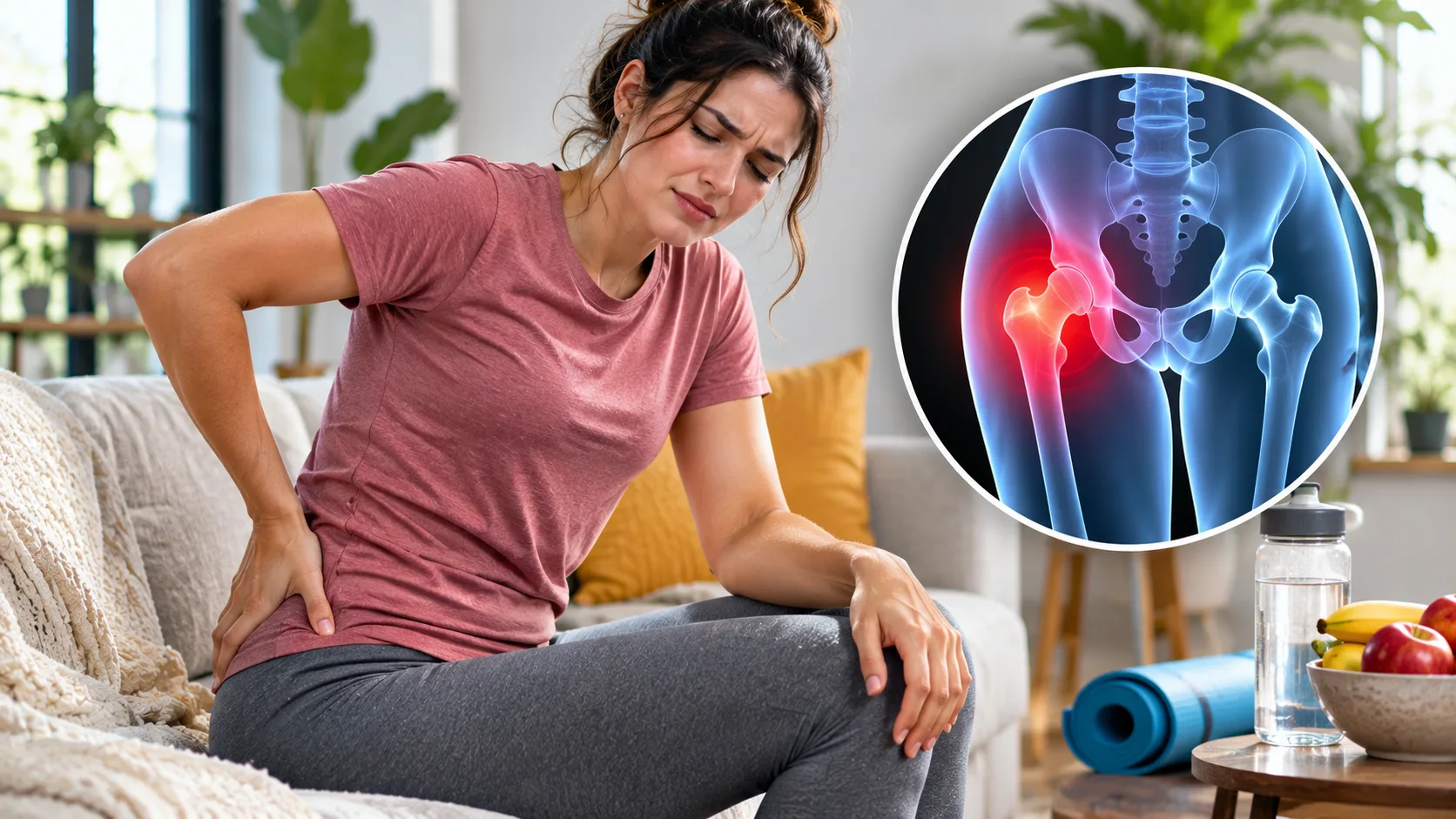
What Is Right Side Hip Pain in Females?
Right side hip pain in females refers to discomfort experienced around the right hip joint, outer hip, groin, buttock, or surrounding pelvic area. The pain may develop suddenly or gradually, depending on its underlying cause. Common reasons include muscle strains, tendon irritation, joint problems, and certain conditions affecting the lower back or reproductive organs.
Some women experience a dull ache during everyday activities, while others notice sharp discomfort when walking, sitting, or lying down. The location and intensity of pain can provide useful clues about its possible origin. However, different conditions can produce similar symptoms, making it important to consider additional signs rather than relying on pain location alone.
Understanding the possible causes of right side hip pain in females can help you recognize when simple self-care may be appropriate. Mild discomfort sometimes improves with rest, gentle movement, and changes in daily activities. Persistent, worsening, or unexplained symptoms may require medical evaluation to identify the cause and determine suitable treatment.
Common Causes of Right Side Hip Pain in Women
Right hip pain can develop from several conditions involving muscles, tendons, ligaments, joints, and nearby nerves. Repetitive movements, prolonged sitting, sports activities, and previous injuries may contribute to discomfort. In some cases, pain originates in the lower back or pelvis and spreads toward the hip, making its exact source difficult to recognize.
Muscle strains and tendon problems are frequent causes of hip discomfort, especially after unfamiliar physical activity. Hip osteoarthritis, greater trochanteric pain syndrome, and joint injuries can also produce symptoms around the affected area. Certain inflammatory conditions may cause stiffness and pain, particularly when symptoms involve multiple joints or occur alongside other health concerns.
Women may also experience hip-area pain associated with menstrual cycles, pregnancy, or gynecological conditions. For example, ovarian cysts and endometriosis can sometimes cause discomfort that appears to come from the hip. Because the possibilities vary widely, understanding associated symptoms is important for deciding whether home care or professional evaluation is needed.
Muscle Strains and Overuse Injuries
Muscle strains are a common explanation for right side hip pain, particularly after exercise, lifting, or sudden movements. They occur when muscle fibers are stretched beyond their usual capacity. The hip flexors, gluteal muscles, and surrounding muscle groups can become painful after unfamiliar activity, repetitive movements, or excessive physical stress.
A strained hip muscle may cause tenderness, stiffness, or discomfort when moving the affected leg. Some women notice pain while climbing stairs, standing after sitting, or performing certain exercises. Symptoms can also become more noticeable when the injured muscle contracts or stretches, although the specific pattern depends on which muscle is involved.
Mild muscle strains often improve with temporary activity modification and gradual movement as symptoms settle. Avoiding activities that significantly increase pain can help prevent further irritation during recovery. However, severe pain, substantial swelling, or difficulty walking after an injury should be assessed by a healthcare professional rather than treated as a routine strain.
Greater Trochanteric Pain Syndrome and Outer Hip Pain
Greater trochanteric pain syndrome is a common cause of pain along the outside of the hip. It often involves irritation or changes affecting the gluteal tendons near the greater trochanter, a prominent part of the thighbone. This condition is sometimes called trochanteric bursitis, although tendon problems are frequently involved.
Women with this condition may experience tenderness over the outer hip, especially when lying on the affected side. Pain can also occur during walking, climbing stairs, or standing on one leg. Some people notice discomfort extending down the outside of the thigh, which can make the problem seem more widespread than the hip itself.
Treatment usually focuses on reducing excessive pressure on irritated tissues and gradually improving hip strength. A physical therapist may recommend exercises targeting the gluteal muscles while adjusting movements that aggravate symptoms. Recovery can take time, and persistent outer hip pain deserves evaluation to distinguish tendon-related problems from joint or spinal conditions.
Hip Osteoarthritis and Joint Stiffness
Hip osteoarthritis develops when changes within the joint affect cartilage, bone, and surrounding tissues. It becomes more common with age, although younger adults can also develop joint problems. Osteoarthritis may cause right-sided hip pain, stiffness, and reduced movement, particularly when symptoms gradually worsen over months or years.
Pain associated with hip osteoarthritis is often felt in the groin or front of the hip, but it may also affect the buttock or thigh. Some women experience stiffness after resting or difficulty putting on shoes. Walking longer distances, climbing stairs, and certain rotational movements can become uncomfortable as symptoms progress.
Management may involve strengthening exercises, suitable physical activity, and treatments recommended by a healthcare professional. Maintaining comfortable joint movement and improving surrounding muscle strength can support daily function. Severe or persistent symptoms may require further assessment, and treatment decisions should consider individual health needs, examination findings, and the degree of functional limitation.
Hip Labral Tears and Joint Injuries
The hip labrum is a ring of cartilage that surrounds the socket of the hip joint. It helps support joint stability and contributes to normal movement. A labral tear can develop after an injury or through repeated movements, although some tears are found on imaging in people who experience no symptoms.
Women with a symptomatic labral tear may notice pain deep in the groin or front of the hip. Clicking, catching, or a sensation of stiffness may also occur during movement. Activities involving twisting, squatting, or prolonged sitting can sometimes increase discomfort, although these symptoms are not specific enough to confirm a tear.
Diagnosis generally involves a clinical examination and, when appropriate, imaging tests. Treatment may include modifying aggravating activities, physical therapy, and other approaches based on symptom severity. Not every labral tear requires surgery, and healthcare professionals consider the person’s symptoms, function, and overall joint condition before discussing more invasive options.
Lower Back Problems and Sciatic Nerve Pain
Right side hip pain does not always originate from the hip joint itself. Problems affecting the lower back can sometimes produce referred pain in the buttock, outer hip, or leg. Irritated spinal nerves may also cause symptoms that extend beyond the original area, making the discomfort difficult to distinguish from a hip condition.
Sciatica commonly causes pain traveling from the lower back or buttock into the leg. Some individuals experience tingling, numbness, or weakness along with discomfort. However, not all pain around the hip is sciatica, and nerve-related symptoms can have several causes that require different approaches to assessment and management.
Treatment depends on the source and severity of the symptoms. Gentle movement and appropriate rehabilitation may help certain back-related conditions, while persistent neurological problems require professional evaluation. New bladder or bowel control problems, numbness around the groin, or significant leg weakness require emergency medical attention because they can indicate serious nerve compression.
Sacroiliac Joint Pain and Pelvic Discomfort
The sacroiliac joints connect the sacrum at the base of the spine to the pelvic bones. These joints help transfer forces between the upper body and lower limbs. Irritation involving the sacroiliac region can produce discomfort around the lower back, buttock, and sometimes the nearby hip area.
Women may notice pain on one side of the pelvis while standing, walking, or changing positions. Symptoms can become uncomfortable during prolonged sitting or certain movements, although these patterns also occur with other conditions. Pregnancy-related changes and inflammatory disorders can sometimes contribute to sacroiliac-region discomfort, depending on individual circumstances.
Because sacroiliac pain resembles several spinal and hip problems, diagnosis requires careful examination. Treatment may include physical therapy, movement adjustments, and medical management based on the underlying cause. Persistent pain accompanied by prolonged morning stiffness or other inflammatory symptoms should be discussed with a clinician for appropriate investigation.
Ovarian Cysts and Other Pelvic Causes
Some causes of right side hip pain in females originate from organs within the pelvis rather than muscles or joints. Ovarian cysts, endometriosis, and certain pelvic conditions may produce discomfort in the lower abdomen, groin, or nearby hip region. These symptoms can sometimes be mistaken for ordinary musculoskeletal pain.
Ovarian cysts are common, and many cause no noticeable symptoms. However, larger or complicated cysts can produce pelvic pressure or one-sided discomfort. Endometriosis may cause recurring pelvic pain associated with menstruation, although symptoms vary considerably and may include discomfort outside the menstrual period.
Sudden severe one-sided pelvic pain, particularly with nausea, vomiting, dizziness, or fainting, requires urgent medical attention. Conditions such as ovarian torsion or complications involving an ovarian cyst may need immediate treatment. A healthcare professional may recommend a pelvic examination, ultrasound, or other tests when reproductive or pelvic conditions are suspected.
Right Hip Pain During Pregnancy
Pregnancy can contribute to discomfort around the hips, pelvis, and lower back as the body adapts to physical changes. Some pregnant women experience pelvic girdle pain that affects one or both sides. This discomfort can interfere with walking, standing, sleeping, or changing positions, although its severity varies between individuals.
Pregnancy-related pelvic pain may involve the sacroiliac joints, pubic region, or surrounding muscles. Women sometimes notice discomfort while climbing stairs or turning over in bed. The symptoms are not always caused by the same condition, so persistent pain should be discussed with a maternity healthcare professional rather than automatically attributed to pregnancy.
Supportive management may include individualized physical therapy, gentle activity adjustments, and comfortable sleeping positions. A clinician can also advise on suitable support equipment when appropriate. Severe abdominal or pelvic pain, vaginal bleeding, faintness, or possible pregnancy with sudden one-sided pain requires urgent assessment because serious pregnancy-related conditions must be excluded.
Why the Right Hip Hurts When Walking or Sitting
Right hip pain during walking may develop from muscle weakness, tendon irritation, joint conditions, or problems affecting surrounding structures. Walking places repeated demands on the hip muscles and joints, so existing irritation may become more noticeable with movement. The distance walked, terrain, footwear, and individual movement patterns can influence symptoms.
Pain while sitting may relate to hip joint irritation, muscular discomfort, or lower back conditions. Some women notice stiffness after remaining seated for an extended period and feel uncomfortable when standing up. Deep groin pain, outer hip tenderness, or symptoms traveling down the leg can provide additional clues about the possible source.
Understanding when discomfort appears helps healthcare professionals narrow down potential causes. Keeping a simple record of painful activities, symptom duration, and associated stiffness may be useful during an appointment. Because several conditions produce overlapping symptoms, movement-related pain alone cannot reliably identify the underlying diagnosis without an appropriate examination.
Right Hip Pain at Night and While Sleeping
Nighttime hip pain can make it difficult to find a comfortable sleeping position. Outer hip tendon problems often become more noticeable when pressure is placed directly on the affected side. Joint stiffness, muscular discomfort, and certain inflammatory conditions may also contribute to pain during rest or while changing positions.
Some women experience relief by avoiding direct pressure on the painful hip during sleep. Lying on the opposite side with a pillow between the knees may improve comfort for certain conditions. Others prefer sleeping on their backs with suitable support, although the most comfortable position varies according to the source of pain.
Persistent night pain should not automatically be dismissed as a sleeping-position problem. Pain that repeatedly interrupts sleep, worsens over time, or occurs alongside fever or unexplained illness requires medical evaluation. Identifying the underlying cause is more important than relying only on pillows or temporary positioning changes to manage recurring symptoms.
Home Remedies for Mild Right Side Hip Pain
Mild right side hip pain may improve with simple self-care when symptoms follow ordinary activity and no concerning signs are present. Temporarily reducing movements that aggravate discomfort can give irritated tissues time to settle. However, prolonged complete inactivity is generally unnecessary for many minor musculoskeletal problems and may contribute to additional stiffness.
Cold packs may help relieve short-term discomfort after certain minor injuries, while gentle warmth can feel soothing for muscular tightness. Protect the skin with a cloth and avoid extreme temperatures or prolonged application. Neither approach treats every underlying cause, so persistent symptoms should not be managed indefinitely with temperature-based remedies alone.
Gentle walking and comfortable daily movement may help maintain mobility when pain levels allow. Avoid forcing stretches, exercising through significant pain, or attempting to correct a possible injury without guidance. Over-the-counter pain medicines are not suitable for everyone, particularly during pregnancy or with certain medical conditions, so professional or pharmacist advice may be necessary.
Physical Therapy and Exercises for Hip Pain Relief
Physical therapy can help manage many causes of right side hip pain by addressing movement limitations, muscle strength, and activity tolerance. A physical therapist evaluates symptoms and identifies exercises suited to the individual’s condition. This approach is particularly useful when discomfort repeatedly occurs during walking, stair climbing, or other everyday movements.
Rehabilitation may involve gentle hip mobility exercises, gluteal strengthening, and gradual improvements in movement control. Bridges, modified side-lying exercises, or controlled standing movements may be appropriate for certain conditions. However, exercises that help one person can aggravate another, especially when pain involves irritated tendons or specific joint structures.
The goal of rehabilitation is to improve comfortable movement rather than force immediate results. Exercise difficulty and frequency should be adjusted according to symptoms and professional recommendations. Gradual progress, adequate recovery, and appropriate modifications can help rebuild function while reducing the likelihood of repeatedly irritating sensitive hip tissues.
How Doctors Diagnose Right Side Hip Pain in Females
Diagnosing right side hip pain begins with reviewing symptoms, medical history, and recent activities. A healthcare professional may ask when the pain started, where it occurs, and which movements make it worse. Questions about injuries, menstruation, pregnancy possibility, fever, and neurological symptoms can help identify whether the problem involves the hip or another structure.
A physical examination may assess walking patterns, hip movement, muscle strength, tenderness, and lower back function. Depending on the suspected condition, clinicians may recommend X-rays, ultrasound examinations, or magnetic resonance imaging. Blood tests or pelvic investigations may also be appropriate when symptoms suggest inflammation, infection, or conditions affecting internal organs.
Not every person with hip pain needs imaging immediately. The decision depends on examination findings, symptom duration, medical history, and possible warning signs. An accurate diagnosis helps determine whether treatment should focus on muscles, tendons, joints, nerves, or another medical condition rather than relying on assumptions about the location of discomfort.
When Right Side Hip Pain Requires Medical Attention
Many episodes of mild hip discomfort are not emergencies, but certain symptoms require prompt medical evaluation. Seek urgent care after a significant fall or injury, particularly when the affected leg cannot support weight. Severe swelling, obvious deformity, or sudden intense pain should also be assessed promptly rather than managed through home remedies.
Hip pain accompanied by fever, significant warmth, or feeling seriously unwell may indicate an infection or another condition requiring urgent treatment. Severe right-sided abdominal pain, especially with vomiting or fever, may originate from an abdominal problem such as appendicitis. Sudden pelvic pain with fainting or possible pregnancy also requires emergency assessment.
Arrange a routine medical appointment when pain persists, repeatedly returns, or interferes with sleep and daily activities. Increasing stiffness, reduced mobility, or unexplained symptoms also deserve evaluation. Early assessment can help identify treatable conditions, provide suitable rehabilitation guidance, and reduce the risk of ongoing limitations caused by untreated problems.
How to Prevent Recurring Right Hip Discomfort
Preventing recurring hip discomfort often involves maintaining comfortable movement, gradually increasing physical activity, and allowing enough recovery between demanding activities. Sudden changes in exercise intensity can overload muscles and tendons. A consistent approach that respects individual fitness levels and existing symptoms may help reduce some activity-related problems.
Regular strengthening and mobility activities can support hip function, particularly when exercises are chosen appropriately. Comfortable workstations, movement breaks during prolonged sitting, and suitable footwear may also improve everyday comfort. However, no single routine prevents every type of hip pain, especially when symptoms arise from arthritis, inflammatory conditions, or pelvic disorders.
Women with recurring symptoms may benefit from identifying activities that consistently trigger discomfort and discussing them with a qualified professional. Individualized guidance can help address movement limitations without unnecessary restrictions. Paying attention to early changes in symptoms and seeking evaluation when needed supports long-term mobility and more confident participation in everyday activities.
Conclusion
Right side hip pain in females can develop from several causes, including muscle strains, tendon problems, joint conditions, nerve irritation, and pelvic disorders. The location, duration, and pattern of discomfort provide useful clues, but they cannot confirm a diagnosis alone. Understanding associated symptoms helps women recognize when pain may be related to routine activity or another medical concern.
Mild discomfort sometimes improves with activity modifications, gentle movement, and appropriate self-care. Physical therapy can also support recovery from certain musculoskeletal conditions by improving strength, mobility, and everyday function. However, persistent symptoms, significant injuries, and unexplained pain require professional assessment to determine the underlying cause and suitable treatment.
Severe or sudden hip-area pain should never be ignored when it occurs alongside fever, abdominal symptoms, weakness, or other warning signs. Seeking timely medical advice helps identify serious conditions and avoid unnecessary treatment delays. With an appropriate diagnosis and individualized care, many women can manage hip discomfort and return to their usual activities comfortably.
Frequently Asked Questions (FAQs)
What causes right side hip pain in females?
Common causes include muscle strains, gluteal tendon problems, hip osteoarthritis, lower back conditions, and joint injuries. Ovarian cysts, endometriosis, and other pelvic conditions can also cause pain around the right hip area.
Can ovarian problems cause right hip pain?
Yes, certain ovarian conditions can cause one-sided pelvic discomfort that may be felt near the hip. Sudden severe pelvic pain, particularly with vomiting, dizziness, or fainting, requires urgent medical evaluation.
How can I relieve right hip pain at home?
Mild muscular discomfort may improve with temporary activity modification, gentle movement, and appropriately applied cold or warmth. Avoid painful exercises and seek medical advice if symptoms persist, worsen, or involve warning signs.
Why does my right hip hurt when I sleep on it?
Pain while lying on the right side may occur with greater trochanteric pain syndrome or other conditions affecting the outer hip. Persistent night pain should be evaluated to identify its cause.
When should I worry about right side hip pain?
Seek urgent medical help for severe pain, inability to bear weight, fever with a painful joint, or sudden pelvic pain with faintness. Persistent or worsening discomfort also deserves professional assessment.