

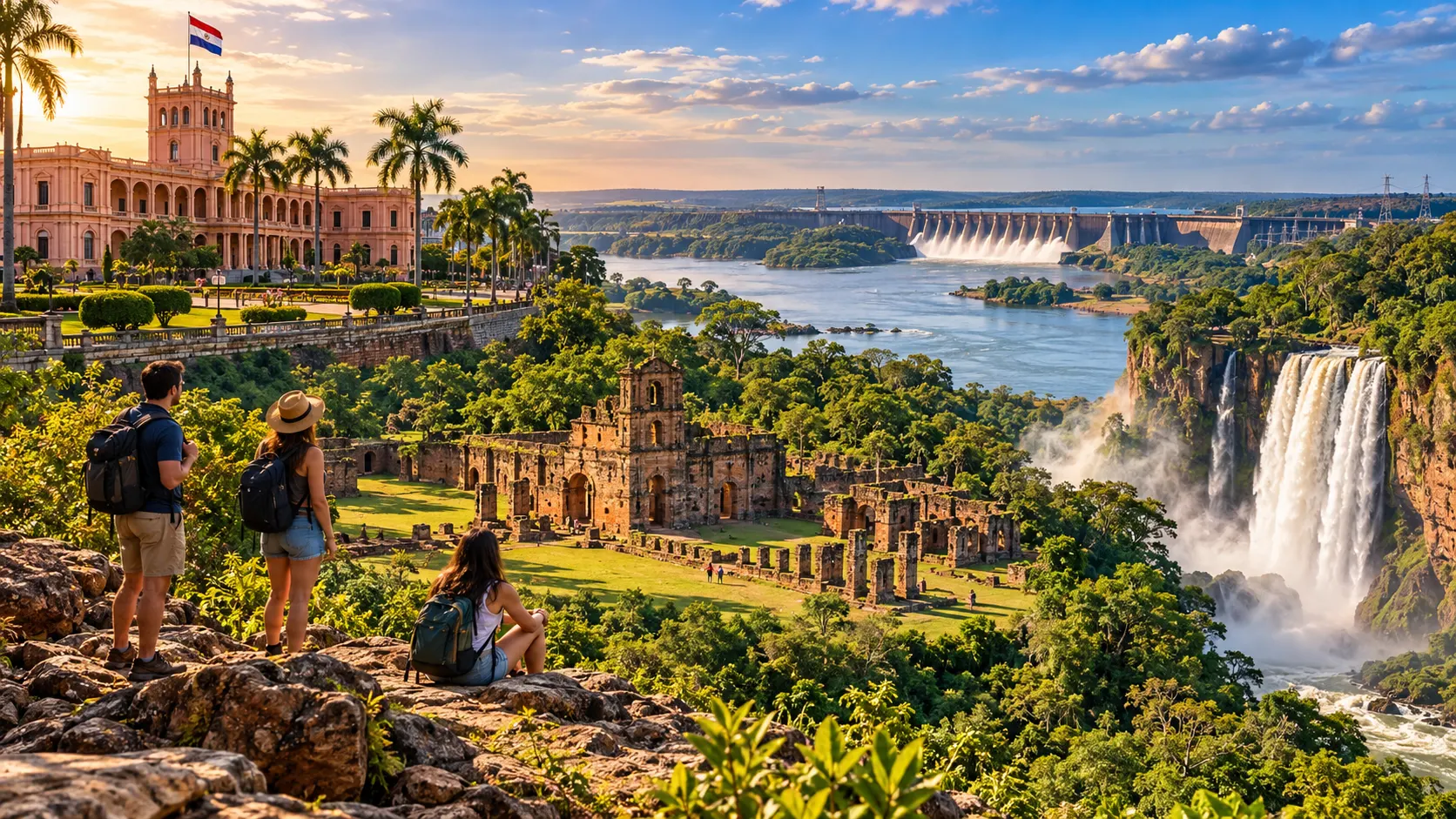
Paraguay is one of South America’s underrated travel destinations, offering a fascinating combination of natural beauty, historical landmarks, and authentic cultural experiences. Unlike its more frequently visited neighbors, Paraguay remains relatively unexplored by international tourists. From impressive waterfalls and peaceful lakes to colonial architecture and national parks, the country offers plenty of memorable places to discover.
Whether you enjoy exploring vibrant cities, learning about history, or spending time surrounded by nature, Paraguay has something for different types of travelers. Its welcoming communities, traditional food, and distinctive Guaraní heritage make every journey more interesting. This guide explores the best places to visit in Paraguay, including major attractions, beautiful landscapes, and cultural destinations worth adding to your itinerary.
Asunción – Explore Paraguay’s Historic Capital
Asunción is the capital and largest city of Paraguay, making it an excellent starting point for exploring the country. Located beside the Paraguay River, the city combines historic architecture with modern shopping areas and lively neighborhoods. Visitors can discover museums, cultural landmarks, and traditional markets while learning about Paraguay’s past. Its relaxed atmosphere offers a different experience from larger South American capitals.
One of the city’s most recognizable attractions is the Palacio de los López, a historic government building known for its elegant architecture. The nearby waterfront area, Costanera de Asunción, provides pleasant river views and opportunities for walking. Visitors can also explore the National Pantheon of the Heroes. These landmarks reveal important aspects of Paraguay’s political and cultural history.
Asunción is also a rewarding destination for experiencing local food and everyday Paraguayan culture. Traditional markets, restaurants, and neighborhood cafés offer opportunities to try dishes such as sopa paraguaya and chipa. The city’s historic center contains colorful buildings and interesting public spaces. Spending two or three days allows travelers to explore its major attractions comfortably.
Encarnación – Discover Paraguay’s Riverside City
Encarnación is one of Paraguay’s most popular travel destinations, located along the Paraná River near the Argentine border. The city is known for its attractive waterfront, sandy beaches, and lively summer atmosphere. Its modern Costanera provides excellent river views and recreational spaces. Travelers looking for a combination of urban attractions and relaxation often enjoy visiting Encarnación.
Playa San José is among the city’s best-known waterfront attractions, offering a beach setting beside the Paraná River. Visitors can relax on the sand, enjoy the scenery, or explore nearby restaurants and cafés. The waterfront becomes particularly lively during warmer months. Swimming should only be considered in officially permitted areas when water conditions and local guidance allow it.
Encarnación is also famous for its carnival celebrations, which bring colorful costumes, music, and energetic performances to the city. Beyond its seasonal festivities, the surrounding region contains important historical and cultural attractions. The city serves as a convenient base for visiting nearby Jesuit missions. Combining its waterfront with cultural excursions makes Encarnación a worthwhile destination.
La Santísima Trinidad de Paraná – Visit Ancient Jesuit Ruins
La Santísima Trinidad de Paraná is one of Paraguay’s most important historical attractions, located in the Itapúa Department near Encarnación. The site preserves the remains of a Jesuit mission established during the colonial period. Its impressive stone structures reflect the complex history of missionary settlements and Indigenous Guaraní communities. The ruins are recognized as part of a UNESCO World Heritage Site.
Visitors can explore the remains of the mission church, residential buildings, courtyards, and other historical structures. Detailed stone carvings and architectural features reveal the craftsmanship involved in constructing the settlement. Walking through the ruins provides a fascinating glimpse into life during the eighteenth century. The surrounding open spaces also create attractive opportunities for architectural photography.
The mission is approximately 38 kilometers from Encarnación, making it suitable for a day trip. Travelers can arrange transportation independently or explore organized sightseeing options when available. Visiting with a knowledgeable guide can provide valuable historical context. Allowing sufficient time to examine the structures makes the experience more meaningful than a brief photo stop.
Jesús de Tavarangue – Explore a Remarkable Historic Mission
Jesús de Tavarangue is another impressive Jesuit mission located in southeastern Paraguay. Together with La Santísima Trinidad de Paraná, it forms the country’s UNESCO-listed Jesuit mission heritage site. The settlement is particularly recognized for its unfinished church and distinctive architectural features. Its peaceful surroundings make it appealing to travelers interested in history and cultural heritage.
The remains of the large church demonstrate an unusual combination of European architectural influences. Its stone walls, grand openings, and distinctive arches create an impressive appearance despite the building never being completed. Visitors can walk around the historical complex and appreciate the scale of the original project. The site offers an opportunity to understand a significant chapter of Paraguayan history.
Jesús de Tavarangue can be combined with Trinidad during a day trip from Encarnación. The two sites are located relatively close together, making it practical to explore both. Transportation arrangements should be planned in advance because public connections may be limited. Travelers interested in architecture, archaeology, and historical photography will find the visit particularly rewarding.
Ciudad del Este – Experience Paraguay’s Eastern Gateway
Ciudad del Este is one of Paraguay’s largest cities, located near the borders with Brazil and Argentina. The city is famous for its busy commercial districts, international shopping activity, and multicultural atmosphere. Travelers often visit while exploring the surrounding border region. Its location also makes it a convenient base for discovering several impressive natural and engineering attractions.
One of the most interesting places near Ciudad del Este is the Itaipu Hydroelectric Dam, a major engineering project shared by Paraguay and Brazil. Visitors can learn about hydroelectric power generation through authorized tourism experiences when available. The enormous scale of the dam makes it an unusual sightseeing destination. Tour arrangements and access requirements should be checked before visiting.
Ciudad del Este also provides access to restaurants, shopping centers, and nearby nature attractions. Travelers can explore the city’s commercial areas before visiting waterfalls or scenic viewpoints outside the center. Traffic can become busy around important border connections and shopping districts. Planning transportation carefully helps make the visit more comfortable and efficient.
Saltos del Monday – See Paraguay’s Spectacular Waterfalls
Saltos del Monday is among the most beautiful natural attractions in Paraguay, located near Presidente Franco in the Alto Paraná Department. The waterfalls form an impressive cascade surrounded by green vegetation and dramatic rock formations. Their powerful appearance makes them especially appealing to nature lovers and photographers. The location is accessible from the Ciudad del Este area.
Visitors can enjoy designated viewpoints that provide different perspectives of the cascading water. The surrounding natural scenery creates opportunities for landscape photography and peaceful observation. Waterfall volume can vary depending on rainfall and seasonal conditions. Following marked routes and visitor safety instructions is important because wet surfaces and steep terrain can be hazardous.
Saltos del Monday can be included in a broader trip exploring eastern Paraguay. Travelers may combine the waterfalls with authorized visits to the Itaipu Dam or other nearby attractions. Transportation options and park entrance arrangements should be confirmed in advance. For visitors looking for natural beauty beyond Paraguay’s cities, this waterfall is an excellent destination.
Ybycuí National Park – Explore Forests and Waterfalls
Ybycuí National Park is a popular natural destination located in Paraguay’s Paraguarí Department. The protected area is known for its forests, waterfalls, wildlife, and historical features. Visitors can experience a different side of Paraguay away from busy city environments. Its combination of natural scenery and cultural heritage makes it appealing for a day trip or nature-focused excursion.
The park contains walking trails through green landscapes, allowing visitors to appreciate its vegetation and natural surroundings. Saltos Mina is one of the waterfalls associated with the area and provides an attractive sightseeing opportunity. Birdwatching and nature photography are also rewarding activities. Visitors should remain on authorized paths and respect local conservation rules.
Ybycuí National Park also has historical significance because of the remains of La Rosada, an old ironworking facility associated with Paraguay’s industrial history. These features add educational value to the natural attractions. Travelers should confirm park access, guide requirements, and weather conditions before setting out. Preparing suitable footwear and water can make the visit more comfortable.
Cerro Corá National Park – Discover Nature and History
Cerro Corá National Park is located in northeastern Paraguay, near Pedro Juan Caballero in the Amambay Department. The park preserves landscapes with hills, vegetation, and important historical sites. It is particularly associated with the final events of the War of the Triple Alliance in 1870. This combination of history and natural scenery makes it a distinctive destination.
Visitors can explore designated historical monuments and learn about the events that shaped Paraguay’s national identity. The surrounding landscapes include rocky formations and areas of natural vegetation. Some locations also preserve evidence of earlier Indigenous cultural activity. Exploring these attractions with appropriate local guidance can provide a deeper understanding of the park’s significance.
Cerro Corá is especially interesting for travelers who enjoy history, cultural heritage, and outdoor scenery. Reaching the park may require additional travel planning because it is located away from Paraguay’s main tourist circuits. Visitors should confirm current access arrangements and available facilities before arriving. Respecting protected areas helps preserve this important destination.
The Gran Chaco – Experience Paraguay’s Wild Landscapes
The Gran Chaco is a vast natural region covering much of western Paraguay. It is characterized by forests, dry woodlands, wetlands, and extensive open landscapes. The region supports diverse wildlife and communities with distinctive cultural traditions. Travelers interested in nature and remote destinations may find the Paraguayan Chaco particularly fascinating.
Filadelfia is one of the main towns in the central Chaco and can serve as a starting point for exploring the region. The town is known for its Mennonite history, museums, and agricultural communities. Visitors can learn about regional settlement and cultural development through local attractions. Its location provides an introduction to landscapes that differ considerably from eastern Paraguay.
Traveling through the Chaco requires more preparation than visiting major cities because distances are long and services can be limited. Seasonal weather can also affect road conditions and accessibility. Guided excursions are useful for wildlife observation and visits to remote areas. Travelers should respect Indigenous communities and seek permission before entering community spaces or photographing residents.
Areguá – Visit Paraguay’s Artistic Lakeside Town
Areguá is a charming town near Asunción, located beside Lake Ypacaraí. It is well known for its pottery workshops, colonial-style architecture, and artistic atmosphere. The town attracts visitors looking for traditional crafts and quieter surroundings. Its location makes it suitable for a day trip from the capital.
Walking through Areguá reveals colorful ceramic decorations, local craft shops, and attractive older buildings. Visitors can browse handmade pottery and discover the town’s creative traditions. The historic streets provide interesting opportunities for photography. Purchasing locally produced crafts can also support the artisans who maintain these traditional skills.
Areguá is also associated with the nearby Cerros Koi and Chororí Natural Monument, known for its unusual geological formations. Visitors interested in geology and nature may appreciate exploring authorized areas around these formations. The town’s lakeside setting offers additional scenic opportunities. Combining cultural attractions with natural sights makes Areguá an enjoyable destination.
San Bernardino – Relax Beside Lake Ypacaraí
San Bernardino is one of Paraguay’s best-known leisure destinations, located near Asunción on the shores of Lake Ypacaraí. The town is especially popular during summer, when visitors arrive for holidays and recreational activities. Its attractive lake views and relaxed atmosphere make it a favorite weekend destination. The surrounding hills add natural beauty to the landscape.
The town has historical connections with German immigration, which influenced aspects of its architecture and cultural identity. Visitors can explore cafés, restaurants, and recreational spaces while enjoying views of the lake. San Bernardino also offers opportunities for walking and discovering nearby countryside attractions. Its combination of culture and nature makes it suitable for a relaxing visit.
Travelers should check current water-quality advisories before considering swimming or other water-contact activities in Lake Ypacaraí. The lake has experienced environmental challenges, and conditions are not always suitable for recreation in the water. However, scenic sightseeing and approved land-based activities remain enjoyable options. Visiting during a quieter weekday may provide a more peaceful experience.
Caacupé – Explore Paraguay’s Spiritual Capital
Caacupé is one of Paraguay’s most important religious destinations, located in the Cordillera Department. The city is particularly famous for the Basilica of Our Lady of Miracles of Caacupé. This impressive church attracts pilgrims and visitors throughout the year. Its architecture and cultural significance make it an important landmark even for travelers primarily interested in history.
Every December, large numbers of pilgrims travel to Caacupé for celebrations associated with the Virgin of Caacupé. The annual religious festivities are an important part of Paraguay’s cultural traditions. Visitors can also explore the surrounding streets and local markets. The atmosphere changes considerably during major celebrations, so advance planning is helpful.
Beyond the basilica, Caacupé offers access to attractive countryside landscapes and smaller local attractions. Its location makes it possible to combine the city with other destinations in the Cordillera region. Visitors should respect religious activities and observe appropriate behavior inside sacred spaces. Caacupé provides an opportunity to appreciate Paraguay’s spiritual and cultural heritage.
Conclusion
Paraguay offers a rewarding variety of destinations for travelers interested in South American history, nature, and culture. From the historic streets of Asunción to the impressive Jesuit missions near Encarnación, the country has attractions that appeal to different interests. Its waterfalls, national parks, and lakeside towns provide additional opportunities to explore beautiful landscapes.
The best places to visit in Paraguay include Ciudad del Este, Saltos del Monday, Ybycuí National Park, Areguá, San Bernardino, and the Gran Chaco. Each destination provides a different experience, whether you prefer sightseeing, wildlife, traditional crafts, or local cuisine. Planning transportation and allowing enough time for travel can make visiting these attractions more enjoyable.
A memorable Paraguay trip combines popular landmarks with opportunities to discover local traditions and everyday life. Travelers can explore historic sites, enjoy regional food, and appreciate the country’s diverse natural environments. With thoughtful planning and curiosity, Paraguay can offer an authentic and rewarding travel experience.
Frequently Asked Questions
What is the most beautiful place to visit in Paraguay?
Saltos del Monday is one of Paraguay’s most beautiful natural attractions, featuring dramatic waterfalls surrounded by green landscapes. Ybycuí National Park and the Jesuit missions are also excellent destinations for sightseeing.
Is Paraguay worth visiting for tourists?
Yes, Paraguay offers historical landmarks, natural attractions, cultural experiences, and relatively uncrowded destinations. Travelers can explore cities, national parks, waterfalls, and traditional communities while discovering a less-visited part of South America.
What is the best time to visit Paraguay?
April through September generally offers more comfortable temperatures for exploring many parts of Paraguay. Summer can be extremely hot, particularly in the Chaco, and rainfall varies between regions.
How many days do you need to visit Paraguay?
Seven to ten days can provide enough time to explore Asunción, Encarnación, the Jesuit missions, and selected nearby attractions. Longer trips are useful for visiting the Chaco or more remote national parks.
What is Paraguay most famous for?
Paraguay is known for its Guaraní culture, traditional tereré drink, Jesuit mission ruins, Itaipu Hydroelectric Dam, and natural landscapes. Its distinctive cultural heritage makes it an interesting destination in South America.