

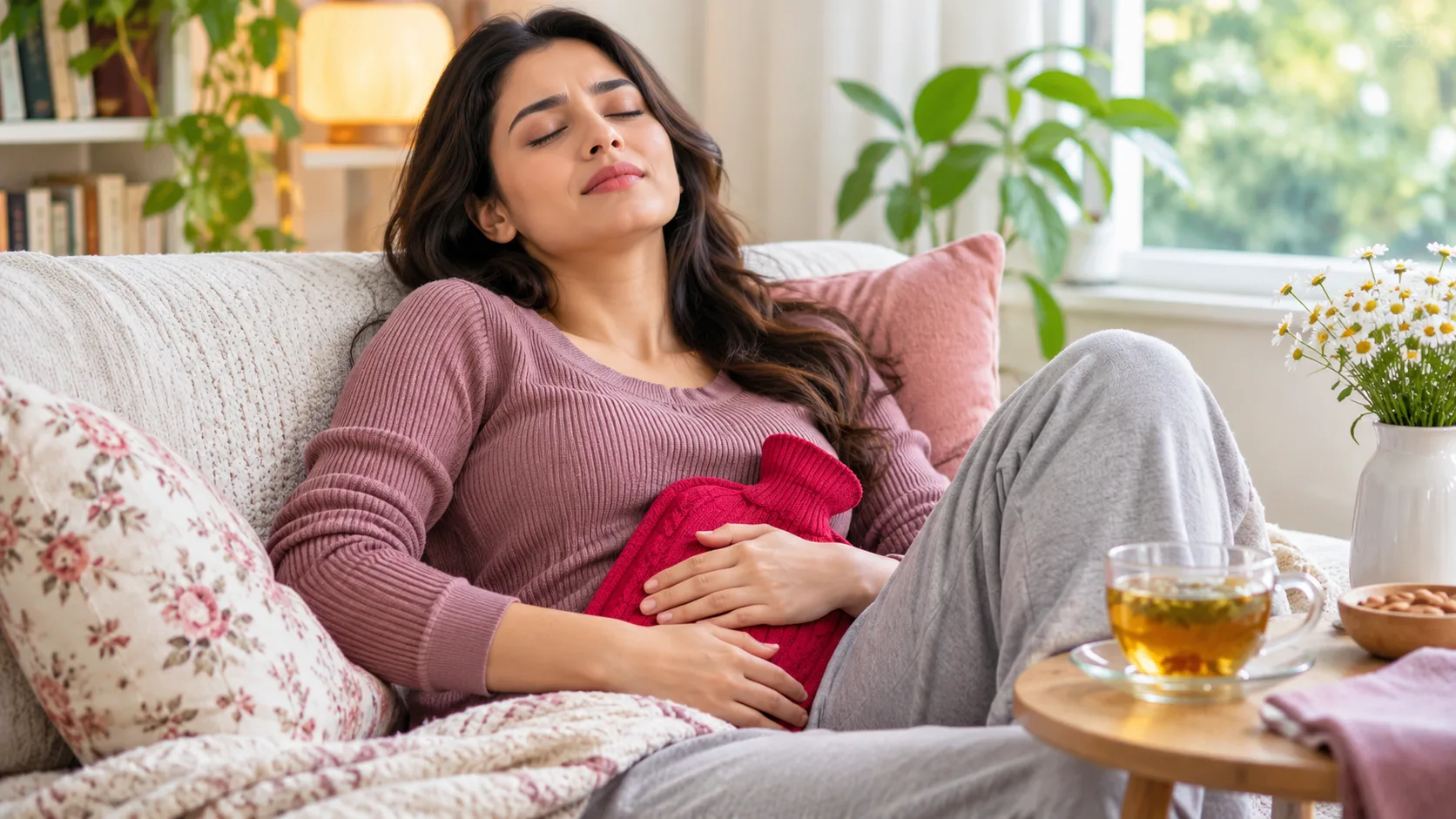
Period cramps are a common part of menstruation that can cause discomfort in the lower abdomen, back, and sometimes the thighs. For some people, the pain feels like a mild ache, while others experience stronger cramps that interfere with school, work, or daily activities. Understanding what to do for period cramps can help you find safe ways to manage discomfort.
Menstrual cramps usually develop because the uterus contracts to help shed its lining during a period. These contractions are influenced by natural chemicals called prostaglandins, which can contribute to pain and inflammation. Although mild cramps are common, severe or unusual menstrual pain should not automatically be considered normal.
Fortunately, several approaches may help relieve period cramps, including heat therapy, gentle movement, comfortable resting positions, and appropriate pain relief. The best method depends on your symptoms, medical history, and personal preferences. This guide explains common causes of menstrual cramps, practical relief methods, warning signs, and ways to manage discomfort safely.
What Are Period Cramps?
Period cramps, medically known as dysmenorrhea, are painful sensations that occur before or during menstruation. They usually affect the lower abdomen but may also spread to the lower back or thighs. The discomfort can feel like aching, pressure, or repeated tightening that changes throughout the menstrual cycle.
Menstrual cramps often begin shortly before bleeding starts or during the first day of a period. For many people, symptoms become less noticeable within two or three days. However, the timing, intensity, and duration of pain can vary significantly between individuals and even between different menstrual cycles.
Doctors commonly divide menstrual cramps into primary and secondary dysmenorrhea. Primary dysmenorrhea involves menstrual pain without an underlying pelvic disorder, while secondary dysmenorrhea develops because of another medical condition. Understanding this distinction is important when deciding whether home care is appropriate or further medical assessment is needed.
What Causes Period Cramps?
Period cramps are commonly caused by contractions of the uterus during menstruation. These contractions help the body shed the uterine lining that has developed throughout the menstrual cycle. Natural substances called prostaglandins influence this process by stimulating uterine muscle activity and contributing to inflammation.
Higher prostaglandin activity is associated with stronger uterine contractions and increased menstrual discomfort. These contractions can temporarily reduce blood flow to parts of the uterine muscle, contributing to pain. Some people also experience nausea, loose stools, headaches, or fatigue around the same time.
Not all menstrual pain is caused by normal uterine contractions. Conditions such as endometriosis, adenomyosis, and uterine fibroids can sometimes contribute to more persistent or severe symptoms. A healthcare professional can assess unusual patterns of pain and determine whether further investigation is necessary.
What to Do for Period Cramps at Home
When period cramps are mild or familiar, simple home-care strategies may help improve comfort. Applying gentle warmth to the lower abdomen is one of the most commonly recommended approaches. Comfortable resting positions and light movement may also help manage the discomfort associated with menstruation.
Pay attention to how your symptoms respond to different activities. Some people prefer resting during stronger cramps, while others find that gentle walking or stretching helps them feel better. Avoid forcing yourself to continue uncomfortable activities, particularly when pain is affecting concentration or normal movement.
Home care should focus on making symptoms manageable rather than ignoring severe pain. If cramps repeatedly prevent normal daily activities, medical advice can help identify suitable treatments. A consistent pattern of worsening pain, unusual bleeding, or new symptoms deserves evaluation rather than relying exclusively on self-care.
Use Heat Therapy to Relieve Menstrual Cramps
Heat therapy is a practical option for relieving menstrual cramps because warmth may help relax tense muscles and reduce pain sensations. A heating pad, warm water bottle, or reusable heat pack can provide gentle warmth to the lower abdomen. Some people also find warmth around the lower back soothing.
Always follow the manufacturer’s instructions when using heating products. Place a protective layer between a heat source and your skin, and avoid temperatures that feel excessively hot. Do not sleep with an electric heating pad switched on unless it is specifically designed and approved for that purpose.
A warm bath or shower may provide additional comfort during menstruation. The relaxing sensation can be particularly helpful when cramps occur alongside general muscle tension. Although heat therapy may reduce discomfort, it does not treat underlying conditions responsible for severe or persistent pelvic pain.
Gentle Exercise and Movement for Period Pain
Gentle physical activity may help some people manage menstrual cramps and improve their overall sense of well-being. Walking, comfortable stretching, and low-intensity movement can support circulation and relaxation. However, exercise is not guaranteed to relieve pain for everyone, and personal comfort should guide activity choices.
Simple movements such as slow walking around the home or performing gentle pelvic tilts may feel comfortable. Some people enjoy easy yoga-based movements that do not place unnecessary strain on the abdomen or back. Stop any activity that causes sharper pain, dizziness, or increased discomfort.
Regular physical activity may also support general menstrual well-being over time. However, there is no need to perform intense workouts when cramps are making you feel unwell. Resting when needed is appropriate, and exercise should remain a flexible option rather than an obligation during your period.
Best Resting Positions for Period Cramps
Finding a comfortable resting position can make menstrual cramps easier to manage, particularly when pain affects the lower abdomen or back. Different positions may reduce pressure or muscular tension for different people. There is no single sleeping or resting position that works best for everyone.
Some people find lying on their side with their knees slightly bent comfortable during menstruation. Others prefer lying on their back with a pillow placed beneath their knees. These positions may reduce tension around the lower back and help create a more relaxed resting posture.
You can also use pillows to support your abdomen, hips, or back according to personal preference. Avoid forcing yourself into a position that increases pain or makes breathing uncomfortable. If cramps remain severe regardless of position, further evaluation may be more useful than repeatedly changing how you rest.
Can Pain Relief Medicine Help Period Cramps?
Certain over-the-counter pain medicines can help manage menstrual cramps when used appropriately. Nonsteroidal anti-inflammatory drugs, commonly called NSAIDs, are often effective because they reduce prostaglandin production. Ibuprofen and naproxen are examples, although they are not suitable for everyone.
NSAIDs may be inappropriate for people with certain medical conditions, allergies, kidney problems, stomach ulcers, or particular medication interactions. Age-specific recommendations also matter, especially for younger people. Check the product label and consult a pharmacist or healthcare professional before using a medicine if you are unsure whether it is suitable.
Paracetamol, also called acetaminophen, may provide an alternative for some individuals, although it can be less effective for certain menstrual cramps. Never exceed recommended doses or combine medicines without appropriate guidance. Persistent or severe pain should receive medical attention instead of repeatedly increasing medication use.
Foods and Drinks That May Support Comfort During Periods
Eating regular, balanced meals can support general comfort and energy levels during menstruation. Some people experience changes in appetite, digestion, or food preferences around their periods. Choosing familiar, nourishing foods may help maintain well-being, particularly when cramps occur alongside tiredness or mild nausea.
Drinking enough water is useful for overall health and may help when menstruation is accompanied by dehydration or digestive discomfort. Warm drinks can feel soothing, although they do not directly stop uterine contractions. There is limited evidence that any specific food or beverage consistently eliminates menstrual cramps.
A varied diet containing fruits, vegetables, whole grains, and suitable protein sources supports general health throughout the menstrual cycle. There is usually no need to avoid entire food groups or follow restrictive eating plans to manage cramps. If digestive symptoms are significant, a healthcare professional can help assess possible causes.
How to Manage Period Cramps at School or Work
Period cramps can make concentrating, sitting comfortably, or completing everyday responsibilities more difficult. Planning a few practical comfort measures may help when symptoms occur away from home. These might include carrying menstrual supplies, having access to water, and knowing where you can take a brief rest if needed.
Portable heat products may provide relief when used according to their safety instructions. Comfortable clothing and opportunities to change positions can also make the day easier. If you use pain relief medication, follow appropriate guidance and any relevant school or workplace policies.
Severe menstrual pain should not be something you are expected to endure without support. If cramps repeatedly interfere with attendance, concentration, or normal activities, speak with a healthcare professional. Students can also ask a parent, trusted adult, or school health professional for help arranging suitable support.
Why Are Some Period Cramps Worse Than Others?
The intensity of period cramps can vary because menstrual cycles and individual pain responses are not identical. Differences in prostaglandin activity may influence how strongly the uterus contracts. Some people experience noticeable discomfort during most periods, while others have only occasional mild symptoms.
Changes in sleep, stress, overall health, and existing medical conditions may also influence how menstrual pain is experienced. However, these factors do not fully explain every difference between cycles. Severe menstrual pain should not automatically be attributed to stress or ordinary hormonal changes without considering other possible causes.
Conditions affecting the reproductive organs can sometimes cause cramps that become progressively worse or occur outside menstruation. Endometriosis is one example that may affect adolescents and adults. A medical assessment can help identify whether symptoms fit a common menstrual pattern or require additional investigation.
Period Cramps vs. Other Types of Abdominal Pain
Period cramps usually follow a recognizable pattern related to menstrual bleeding. They often involve the lower abdomen and may spread toward the back or thighs. Familiar timing and symptoms can help distinguish ordinary menstrual discomfort from some other forms of abdominal pain.
However, abdominal pain during menstruation is not always caused by the period itself. Digestive problems, urinary conditions, infections, and other medical issues can produce discomfort in similar areas. Pain that feels significantly different from previous cramps should be considered carefully rather than automatically attributed to menstruation.
Sudden severe pain, fainting, fever, persistent vomiting, or unusual one-sided pelvic pain can indicate a condition requiring urgent medical assessment. If pregnancy is possible, significant pelvic pain or bleeding also deserves prompt medical attention. Recognizing these warning signs helps prevent delays in evaluating potentially serious conditions.
When Should You See a Doctor for Period Cramps?
Medical evaluation is recommended when period cramps repeatedly interfere with school, work, sleep, or ordinary daily activities. Severe menstrual pain is not something you must simply tolerate. A healthcare professional can discuss symptoms, review menstrual patterns, and recommend suitable treatment options.
You should also seek advice if cramps become progressively worse, start occurring between periods, or fail to improve with appropriate self-care. Unusually heavy bleeding, new pelvic symptoms, or pain during urination or bowel movements may require additional assessment. These symptoms can sometimes be associated with underlying gynecological conditions.
Seek urgent care for sudden severe pelvic pain, fainting, fever with significant pelvic pain, or bleeding that is unusually heavy and causing weakness or dizziness. Emergency symptoms should not be managed solely with home remedies. Early medical attention can help identify the cause and provide appropriate treatment.
How Doctors Treat Severe Menstrual Cramps
Treatment for severe menstrual cramps depends on the suspected cause, symptom pattern, and individual medical needs. A healthcare professional may begin by discussing menstrual history, pain intensity, associated symptoms, and previous treatments. Additional examinations or investigations may be considered when an underlying condition is suspected.
For primary dysmenorrhea, treatment may include suitable anti-inflammatory medication and other evidence-based approaches. In some cases, clinicians recommend hormonal treatments that help reduce menstrual pain. These options require an individualized discussion about medical history, potential benefits, side effects, and personal preferences.
When conditions such as endometriosis or fibroids are involved, treatment may require a more specialized approach. The goal is to manage symptoms while addressing the underlying medical concern when possible. Regular follow-up helps determine whether treatment is effective or whether adjustments are necessary.
How to Track Your Period Cramps and Symptoms
Tracking menstrual symptoms can help you recognize patterns and explain concerns during medical appointments. A simple calendar, notebook, or period-tracking application can record when bleeding begins and how long cramps last. This information may be useful when comparing symptoms across several menstrual cycles.
Consider recording pain intensity, where the discomfort occurs, and whether it interferes with normal activities. You may also note related symptoms such as nausea, headaches, or changes in bleeding. Keeping these details brief makes tracking easier to maintain without turning it into an overwhelming daily task.
Symptom records cannot diagnose a medical condition on their own, but they can help healthcare professionals understand what you are experiencing. Tracking is particularly useful when cramps change over time or repeatedly affect daily life. You do not need perfect records before seeking help for significant pain.
Can You Prevent Period Cramps?
Not all period cramps can be prevented because uterine contractions are part of the normal menstrual process. However, some people find that consistent self-care practices make symptoms easier to manage. Appropriate activity, adequate rest, and access to reliable pain relief options can support comfort during menstruation.
Learning when your cramps usually begin may help you prepare practical supplies and adjust activities when necessary. A healthcare professional may recommend a treatment plan for predictable, recurring symptoms. Following medical guidance is particularly important when pain is severe or existing health conditions affect medication choices.
Prevention should not involve excessive exercise, restrictive eating, or ignoring persistent symptoms. Menstrual discomfort varies naturally, and needing rest or medical support does not mean someone has failed to manage their health. The goal is to find safe, sustainable approaches that improve comfort and everyday functioning.
Conclusion
Knowing what to do for period cramps can help make menstruation more manageable and comfortable. Heat therapy, gentle movement, supportive resting positions, and appropriate pain relief may reduce common menstrual discomfort. However, the most helpful approach depends on individual symptoms, medical history, and the underlying cause of pain.
Understanding why cramps happen is equally important. Prostaglandins and uterine contractions explain many cases of ordinary menstrual pain, but severe symptoms can sometimes indicate another medical condition. Recognizing changes in your usual pattern helps you decide when professional assessment may be necessary.
Period pain deserves attention, particularly when it affects sleep, school, work, or everyday activities. You do not have to rely exclusively on home remedies when symptoms are persistent or severe. Combining safe self-care with appropriate medical guidance can help you manage menstrual discomfort with greater confidence.
Frequently Asked Questions
What is the fastest way to relieve period cramps?
A heating pad or warm compress on the lower abdomen may provide relatively quick comfort. Appropriate pain relief medication can also help, but its suitability depends on age, health conditions, and individual medical guidance.
Why are my period cramps so painful?
Strong cramps can occur when prostaglandins trigger intense uterine contractions. However, severe or worsening pain may sometimes involve conditions such as endometriosis, so persistent symptoms deserve evaluation by a healthcare professional.
Is it better to rest or walk during period cramps?
Both can be appropriate depending on how you feel. Gentle walking may ease discomfort for some people, while resting can be more comfortable during stronger cramps. Avoid activities that worsen pain.
Can drinking water stop period cramps?
Drinking water supports hydration and general well-being, but it does not directly stop uterine contractions. Staying hydrated may improve comfort, especially if you experience digestive symptoms or feel unwell during menstruation.
When are period cramps considered abnormal?
Cramps deserve medical attention when they are severe, progressively worsening, or repeatedly disrupt daily activities. Sudden intense pelvic pain, fainting, fever, or unusually heavy bleeding may require urgent assessment.