

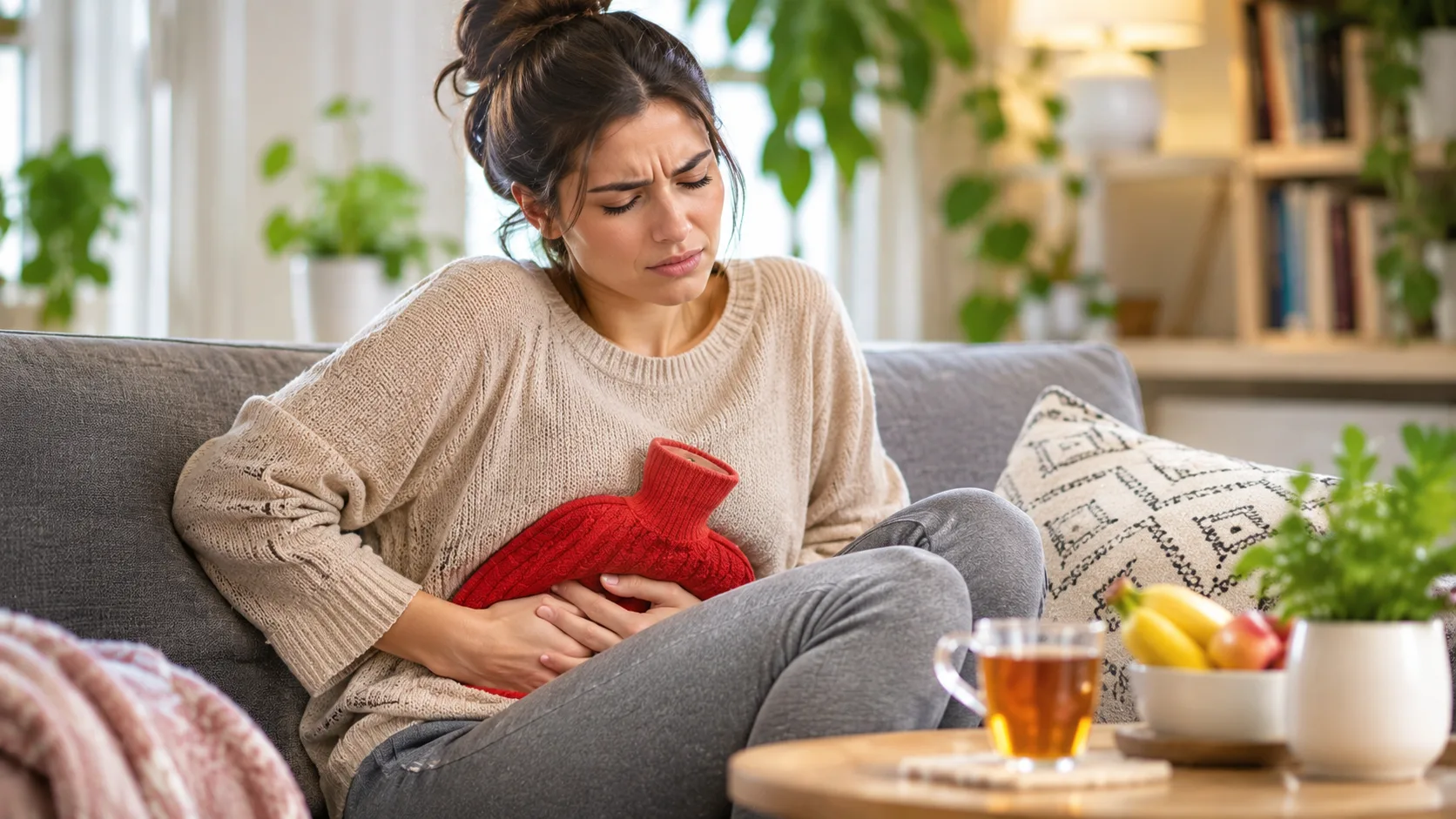
Cramps can appear suddenly and make everyday activities uncomfortable. They may affect your stomach, legs, back, or lower abdomen, depending on the underlying cause. Whether you experience menstrual cramps, muscle cramps, or digestive discomfort, understanding how to make cramps go away can help you find safe and practical relief.
Many cramps improve with simple measures such as rest, gentle movement, warmth, and adequate hydration. However, the most effective treatment depends on what is causing the discomfort. A method that helps a tight calf muscle may not work for painful menstrual cramps or digestive problems.
This guide explains common causes of cramps, practical home remedies, and ways to reduce recurring discomfort. You will also learn which symptoms require medical attention and how to choose appropriate relief methods.
What Causes Cramps in Different Parts of the Body?
Cramps happen when muscles contract involuntarily or when internal organs produce painful tightening sensations. Muscle cramps commonly affect the calves, feet, and thighs, while menstrual cramps usually involve the lower abdomen. Digestive conditions can also cause cramping sensations because the muscles of the intestines contract as food and waste move through the digestive system.
Several factors may contribute to cramps, including physical activity, dehydration, prolonged positioning, or normal menstrual processes. Certain medications, medical conditions, and changes in body chemistry can also play a role. Identifying when the pain begins, where it occurs, and what makes it worse can provide useful clues about its cause.
Not every cramp has the same explanation or requires the same treatment. A muscle cramp after exercise may improve with stretching, while severe abdominal pain needs a different approach. Understanding these differences helps you select appropriate relief methods instead of relying on remedies that may not address the actual problem.
How to Make Cramps Go Away Quickly at Home
If you want to know how to make cramps go away quickly, begin by identifying the affected area. For a typical muscle cramp, stop the activity and gently stretch the tightened muscle. If the discomfort involves menstrual cramps, applying comfortable warmth to the lower abdomen may provide more effective short-term relief.
Resting briefly can help when cramps interfere with normal movement or concentration. Avoid forcing painful stretches or continuing activities that worsen the discomfort. Gentle walking, changing positions, or relaxing the affected muscles may help, but the response varies depending on the type and severity of the cramp.
Hydration may also be useful, especially when muscle cramps occur after sweating or prolonged physical activity. Drink water regularly and allow your body to recover in a comfortable environment. If cramps are unusually severe, persistent, or accompanied by concerning symptoms, seek medical advice instead of repeatedly trying home remedies.
Use Heat Therapy to Relax Tight Muscles
Heat therapy is a common home remedy for menstrual cramps and certain types of muscle discomfort. Warmth can increase local blood flow and create a soothing sensation around tense muscles. A warm compress, heating pad, or comfortable bath may help reduce pain and make it easier to relax during a cramping episode.
For menstrual discomfort, place a warm compress over the lower abdomen or lower back. Use a comfortable temperature and keep a protective layer between the heat source and your skin. Avoid sleeping with an electric heating pad or using excessive heat because burns can occur even when warmth initially feels pleasant.
Heat may also relieve general muscle tightness, but it is not appropriate for every painful condition. New injuries involving significant swelling may require a different approach, and unexplained abdominal pain should not be treated with warmth alone. Stop using heat if it increases discomfort or causes skin irritation.
Try Gentle Stretching for Muscle Cramps
Gentle stretching can help relieve common muscle cramps by encouraging contracted muscle fibers to relax. This approach is particularly useful for cramps affecting the legs, feet, and calves. Stretching should feel controlled and comfortable rather than forceful, because aggressive movements may increase soreness or cause additional muscle strain.
For a calf cramp, slowly straighten the affected leg and gently bring your toes toward your shin. Hold the position briefly while breathing normally, and release the stretch if pain increases. A gentle foot or thigh stretch may help other muscle groups, depending on which area is affected.
Regular flexibility exercises may also improve general mobility and reduce muscle tightness. However, stretching does not prevent every type of cramp, especially when symptoms are related to medication effects or underlying medical conditions. Recurring cramps deserve evaluation if they continue despite reasonable changes to activity and recovery habits.
Stay Hydrated to Help Prevent Muscle Cramps
Water supports normal muscle function, circulation, and temperature regulation throughout the body. Dehydration can contribute to muscle cramping in some situations, particularly during prolonged exercise or exposure to high temperatures. Drinking enough fluids helps maintain normal body functions, although it does not guarantee that muscle cramps will disappear.
Try to drink water consistently throughout the day instead of consuming large amounts only after cramps begin. Your fluid needs vary with activity level, weather, and individual health conditions. During extended exercise or heavy sweating, replacing lost fluids becomes especially important for maintaining comfort and supporting recovery.
Electrolytes such as sodium, potassium, calcium, and magnesium contribute to normal muscle and nerve function. Significant imbalances can cause symptoms, but most ordinary cramps are not proof of an electrolyte deficiency. Avoid taking mineral supplements unnecessarily, and seek professional guidance if cramps are frequent or accompanied by weakness.
How to Relieve Menstrual Cramps Naturally
Menstrual cramps commonly occur because the uterus contracts as it sheds its lining during a period. These contractions are influenced by substances called prostaglandins, which help regulate uterine muscle activity. Higher prostaglandin levels are associated with stronger contractions and can contribute to lower abdominal discomfort, back pain, and other menstrual symptoms.
Applying gentle heat to the lower abdomen is one of the most practical ways to manage period cramps at home. Light physical activity, comfortable resting positions, and relaxation techniques may also help some people. Choose activities based on your comfort level rather than forcing exercise when symptoms are particularly uncomfortable.
For recurring menstrual cramps, keeping track of symptom timing and intensity can be helpful. Record when the pain begins, how long it lasts, and whether it affects school, work, or sleep. Severe menstrual pain should not automatically be considered normal, especially when symptoms become progressively worse or interfere with everyday life.
Foods and Drinks That May Help With Cramps
Eating balanced meals supports muscle function and overall health, although no single food can reliably stop cramps immediately. Foods containing potassium, calcium, and magnesium contribute to normal muscle activity. Bananas, leafy vegetables, yogurt, beans, nuts, and whole grains are examples of foods that provide useful nutrients as part of a varied diet.
Warm drinks may offer comfort during menstrual discomfort or mild digestive cramping. Some people find that ginger tea or other caffeine-free beverages provide a soothing effect. However, herbal products are not guaranteed treatments, and certain ingredients may interact with medications or cause unwanted effects in sensitive individuals.
Digestive cramps sometimes become worse after particular foods or large meals. Keeping a simple record of meals and symptoms may help identify individual triggers without unnecessarily restricting your diet. If abdominal cramps repeatedly follow eating, professional evaluation can help determine whether food intolerance, constipation, or another digestive condition is involved.
Can Massage Help Make Cramps Go Away?
Gentle massage may provide temporary relief from certain muscle cramps by encouraging relaxation and reducing the feeling of tightness. Light pressure around a tense calf, thigh, or foot can sometimes make movement more comfortable. Massage should remain gentle because strong pressure on an already painful muscle may increase irritation.
For mild menstrual discomfort, some people find gentle massage around the lower abdomen or back soothing. Slow circular movements may help promote relaxation when combined with comfortable warmth and steady breathing. However, avoid pressing firmly on areas that are unusually tender, swollen, or painful for an unknown reason.
Massage is not appropriate for every cause of cramping. Sudden leg pain accompanied by swelling, redness, or unusual warmth requires medical assessment because a blood clot is one possible cause. Do not massage a potentially affected leg, and seek urgent medical care if those symptoms appear.
Over-the-Counter Options for Cramp Relief
Some cramps can be managed with over-the-counter pain relievers when home remedies are insufficient. For menstrual cramps, nonsteroidal anti-inflammatory drugs, often called NSAIDs, can reduce pain by limiting prostaglandin production. Ibuprofen and naproxen are examples, but their suitability depends on age, medical history, and other medications.
These medicines are not safe for everyone, particularly people with certain stomach, kidney, bleeding, or medication-related concerns. Follow the product’s age-specific instructions and ask a pharmacist, clinician, or trusted adult when uncertain. Never combine similar pain medicines without professional guidance because doing so can increase the risk of unwanted effects.
Pain medication may improve discomfort, but it does not necessarily address the underlying cause of recurring cramps. Severe pain, changing symptoms, or repeated dependence on medicine should prompt medical evaluation. A healthcare professional can recommend appropriate treatment after considering the type, frequency, and severity of the symptoms.
Common Mistakes That Can Make Cramps Worse
One common mistake is continuing intense physical activity when a muscle begins cramping. Pushing through pain may increase discomfort and delay recovery, particularly if the muscle is already strained. Taking a short break and allowing the affected area to relax is usually a better approach than forcing the muscle to keep working.
Another mistake is assuming that all cramps result from dehydration or mineral deficiencies. Although hydration matters, cramps can have many causes, including menstrual contractions, digestive conditions, and medication effects. Taking large amounts of water or unnecessary supplements may not solve the problem and can sometimes create additional health risks.
Ignoring persistent or unusual symptoms is another important concern. Repeated severe cramps should not be dismissed simply because temporary remedies provide occasional relief. Tracking symptoms and discussing recurring problems with a healthcare professional can help identify conditions that require more specific treatment rather than continued self-management.
When Should You See a Doctor for Cramps?
Most occasional muscle cramps improve on their own, but some symptoms require medical evaluation. Contact a healthcare professional when cramps become frequent, last unusually long, disturb sleep, or interfere with everyday activities. Persistent weakness, numbness, or unexplained changes in muscle function should also be assessed rather than attributed to ordinary cramps.
Severe or worsening abdominal pain requires particular attention because it can have causes unrelated to ordinary menstrual or digestive cramps. Seek urgent medical care for sudden intense abdominal pain, fainting, a rigid abdomen, or pain accompanied by significant bleeding. Fever, repeated vomiting, or signs of dehydration may also require prompt assessment.
Leg cramps accompanied by one-sided swelling, redness, or warmth should be evaluated urgently. If these symptoms occur with chest pain or difficulty breathing, seek emergency medical assistance. Recognizing warning signs is important because treating a potentially serious condition as an ordinary muscle cramp can delay necessary care.
Conclusion
Learning how to make cramps go away starts with understanding what causes the discomfort. Muscle cramps, menstrual cramps, and digestive cramps may require different approaches, even when the pain feels similar. Gentle stretching, comfortable warmth, hydration, and appropriate rest can provide relief in many common situations.
Simple daily habits can also support better muscle function and general comfort. Regular movement, balanced meals, adequate fluids, and attention to physical warning signs may help reduce certain recurring problems. However, no home remedy can prevent every type of cramp or replace treatment for an underlying medical condition.
The safest approach is to choose relief methods that match your symptoms and avoid forcing activities that increase pain. Keep track of repeated cramps and seek professional advice when discomfort becomes severe or unusual. With appropriate care, many everyday cramps can be managed effectively while more serious causes receive the attention they need.
Frequently Asked Questions
How do you make cramps go away fast?
For common muscle cramps, stop the activity and gently stretch the affected area. For menstrual cramps, comfortable heat and rest may help. The quickest effective remedy depends on the underlying cause.
What drink helps relieve cramps?
Water supports hydration, while warm caffeine-free drinks may provide comfort during menstrual or digestive discomfort. No specific drink reliably stops every cramp, and persistent symptoms may require treatment beyond hydration.
Does walking help with cramps?
Gentle walking may help some people experiencing menstrual cramps or mild muscle tightness. However, stop if movement increases pain, and avoid walking through a severe cramp or suspected injury.
Why do I keep getting cramps?
Recurring cramps may be related to physical activity, menstrual processes, medications, dehydration, or underlying health conditions. A healthcare professional can help identify the cause when cramps are frequent, severe, or unexplained.
Can cramps go away without medication?
Yes, many mild cramps improve naturally or respond to rest, heat, gentle stretching, and hydration. However, severe or persistent pain may require medical evaluation and appropriate treatment rather than home remedies alone.