

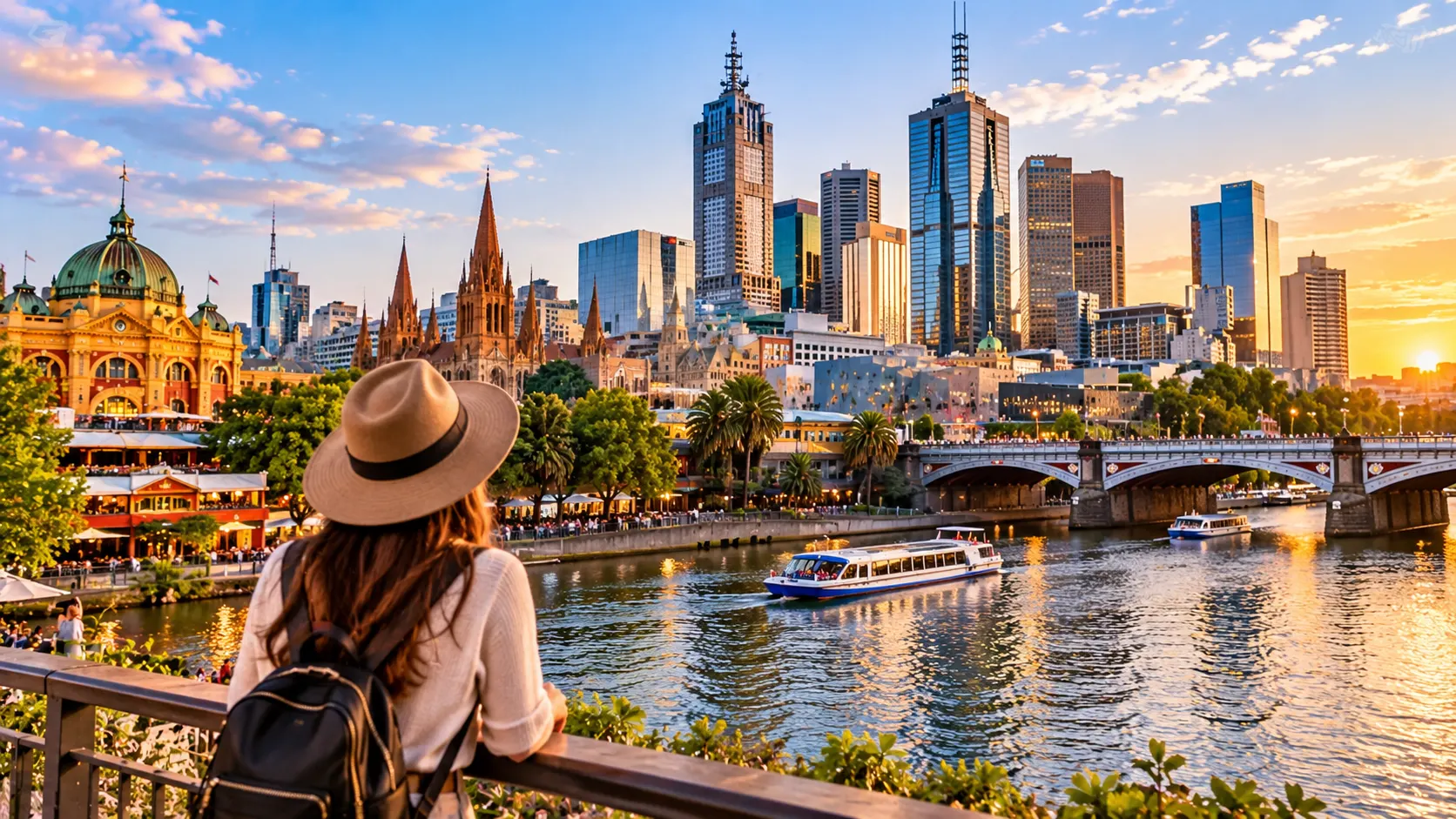
Melbourne, the vibrant capital of Victoria, is one of Australia’s most exciting travel destinations, known for its creative culture, beautiful architecture, world-class food, and lively neighborhoods. From colorful street art and historic markets to scenic coastal drives and peaceful gardens, the city offers unforgettable experiences for every type of traveler. Planning to travel to Melbourne gives you the opportunity to discover a destination where modern urban life meets fascinating cultural traditions.
Whether you are visiting Australia for the first time or exploring another part of the country, Melbourne offers an impressive variety of attractions and activities. You can explore famous landmarks, enjoy the city’s renowned coffee culture, relax along beautiful beaches, and discover unique shopping districts. Its excellent public transportation network also makes many popular destinations accessible without requiring a rental car.
This comprehensive Melbourne travel guide covers the best places to visit, essential travel tips, transportation options, accommodation areas, and practical advice for planning your trip. You will learn when to visit, how to explore the city, and what experiences deserve a place on your itinerary. With thoughtful preparation, your Melbourne vacation can combine memorable sightseeing, cultural discoveries, and relaxing moments.
1. Discover Why Melbourne Is Worth Visiting
Melbourne is one of Australia’s most culturally diverse cities, offering an exciting combination of historic architecture, modern attractions, and creative neighborhoods. Its streets feature impressive Victorian-era buildings alongside contemporary developments, creating a distinctive urban landscape. Visitors can explore art galleries, museums, parks, and local markets while experiencing the city’s welcoming atmosphere and energetic lifestyle.
The city is particularly famous for its café culture, independent restaurants, and colorful laneways filled with street art. Different neighborhoods offer unique experiences, from the fashionable streets of Fitzroy to the seaside atmosphere of St Kilda. This variety makes Melbourne appealing to travelers who enjoy combining cultural exploration with shopping, dining, and outdoor activities.
Another reason to visit Melbourne is its convenient location for exploring some of Victoria’s most beautiful natural attractions. Travelers can organize excursions to the Great Ocean Road, Phillip Island, and scenic countryside destinations. Whether you prefer urban adventures or relaxing landscapes, Melbourne provides an excellent base for discovering southeastern Australia.
2. Explore Federation Square and Melbourne’s City Center
Federation Square is one of Melbourne’s most recognizable public spaces and a popular starting point for exploring the central business district. Located opposite Flinders Street Station, the square features distinctive modern architecture, cultural venues, restaurants, and open gathering areas. Visitors often begin their sightseeing here because several important attractions are located within walking distance.
The nearby Flinders Street Station is another famous Melbourne landmark, celebrated for its historic facade and prominent position within the city. Travelers can admire the architecture, explore surrounding streets, and visit nearby cultural institutions. Federation Square also provides access to the Australian Centre for the Moving Image, where exhibitions celebrate film, television, and digital culture.
Spending time in Melbourne’s city center allows visitors to appreciate its lively streets, shopping areas, and impressive buildings. Walking is particularly enjoyable because many attractions are located close together. Consider exploring the central district during both daytime and evening hours to experience different aspects of the city’s energetic atmosphere.
3. Discover Melbourne’s Famous Laneways and Street Art
Exploring Melbourne’s colorful laneways is one of the most enjoyable things to do in the city, especially for art lovers and photography enthusiasts. These narrow streets showcase impressive murals, creative designs, hidden cafés, and independent businesses. Their distinctive character reflects Melbourne’s reputation as an important center for contemporary art and urban creativity.
Hosier Lane is among the city’s best-known street art destinations, attracting visitors with its constantly changing collection of murals and painted walls. Nearby laneways also offer interesting architectural details, small shops, and creative spaces. Walking through these areas provides opportunities to discover artwork that may look completely different during a future visit.
Visitors can explore many laneways independently or join a guided walking experience to learn about Melbourne’s street art culture. Remember that some spaces contain active businesses and private property, so respect local surroundings while taking photographs. Allow time for spontaneous discoveries because smaller side streets often contain interesting attractions beyond the most photographed locations.
4. Visit Queen Victoria Market for Food and Shopping
Queen Victoria Market is one of Melbourne’s most famous attractions, offering an enjoyable combination of fresh food, specialty products, and lively shopping experiences. The historic market has long played an important role in the city’s commercial and cultural life. Visitors can explore different sections selling produce, local goods, gifts, clothing, and regional specialties.
Food enthusiasts will particularly enjoy discovering fresh ingredients, baked products, cheeses, and prepared meals available from different vendors. The market provides an opportunity to experience Melbourne’s multicultural culinary traditions in a relaxed environment. Sampling local foods and browsing independent stalls can become a memorable activity even without purchasing many items.
Before visiting, check the market’s operating schedule because trading days and special events can vary. Arriving earlier may provide a more relaxed shopping experience during busy periods. Queen Victoria Market is also conveniently located near other central attractions, making it easy to include within a walking itinerary around Melbourne.
5. Experience Melbourne’s Coffee Culture and Local Cuisine
Melbourne has developed an international reputation for its coffee culture, attracting visitors who appreciate specialty cafés and carefully prepared drinks. The city’s diverse neighborhoods feature independent coffee shops, traditional bakeries, and inviting breakfast locations. Exploring these establishments offers a pleasant way to experience everyday Melbourne life while discovering different culinary influences.
The city’s restaurant scene reflects its multicultural population, with cuisines inspired by communities from around the world. Visitors can enjoy Italian, Asian, Middle Eastern, and contemporary Australian food across different districts. Neighborhoods such as Carlton, Richmond, and the central business district offer a wide variety of dining experiences.
For an enjoyable food adventure, explore local cafés beyond the busiest tourist streets and discover smaller neighborhood establishments. Reviewing menus and customer feedback can help identify suitable dining options for your preferences and budget. Melbourne’s culinary diversity makes food exploration an important part of the overall travel experience.
6. Relax at St Kilda Beach and Explore the Waterfront
St Kilda is one of Melbourne’s most popular seaside neighborhoods, known for its beach, waterfront promenade, and relaxed coastal atmosphere. Located a short journey from the city center, the area offers an enjoyable escape from busy urban streets. Visitors can walk along the shoreline, appreciate views across Port Phillip Bay, and explore nearby cafés.
The St Kilda Pier is a well-known attraction that provides beautiful views of the surrounding waterfront and Melbourne skyline. The neighborhood also features attractive streets, local businesses, and cultural entertainment venues. Spending an afternoon here allows travelers to experience a different side of Melbourne beyond its central shopping and cultural districts.
St Kilda is particularly appealing during pleasant weather when visitors can enjoy outdoor walking and relaxing by the water. Sunset often creates attractive views across the bay, making the waterfront a popular photography location. Remember to follow local beach safety guidance and observe any restrictions designed to protect nearby wildlife.
7. Explore the Royal Botanic Gardens and Beautiful Parks
The Royal Botanic Gardens Melbourne offer a peaceful escape from the surrounding city, featuring landscaped lawns, lakes, walking paths, and impressive botanical collections. Located close to central Melbourne, the gardens provide an inviting setting for relaxation and nature appreciation. Visitors can discover different plant species while enjoying beautiful green spaces throughout the grounds.
Walking through the gardens allows travelers to experience a quieter environment without traveling far from major attractions. The surrounding area includes scenic pathways and locations suitable for photography or relaxed sightseeing. The gardens are particularly enjoyable for families, nature enthusiasts, and visitors looking for a comfortable break between busy travel activities.
Melbourne also contains several other attractive green spaces, including Fitzroy Gardens and Carlton Gardens. These parks feature historic landscapes, shady walking areas, and interesting nearby landmarks. Combining outdoor attractions with museums or neighborhood exploration makes it easy to create a balanced Melbourne sightseeing itinerary.
8. Discover Melbourne’s Museums and Cultural Attractions
Melbourne is an excellent destination for travelers interested in art, history, science, and cultural experiences. The city features respected museums and galleries displaying important collections, interactive exhibitions, and contemporary creative works. These attractions provide opportunities to learn about Australia’s heritage while discovering international artistic traditions and modern developments.
The National Gallery of Victoria is a major cultural destination, known for its extensive art collections and changing exhibitions. Melbourne Museum offers displays exploring natural history, science, culture, and Victoria’s past. Visitors can also discover exhibitions that highlight First Peoples’ histories and cultural knowledge through carefully presented educational experiences.
Museum visits are especially useful when Melbourne’s weather makes outdoor activities less appealing. Some exhibitions are free, while others require admission tickets or advance reservations. Checking current opening hours and exhibition information before visiting helps travelers select attractions that match their interests and available sightseeing time.
9. Visit the Great Ocean Road on a Day Trip
The Great Ocean Road is one of Australia’s most famous scenic driving routes and a popular excursion from Melbourne. Stretching along Victoria’s dramatic southern coastline, the route features beautiful beaches, impressive cliffs, coastal towns, and breathtaking ocean viewpoints. Exploring this region provides an opportunity to experience spectacular natural scenery beyond the city.
The Twelve Apostles are among the most recognizable attractions along the route, featuring remarkable limestone formations rising from the Southern Ocean. Visitors can also discover coastal viewpoints, walking paths, and charming towns such as Lorne and Apollo Bay. The changing landscapes make the journey particularly memorable for travelers interested in nature and photography.
Although a Great Ocean Road excursion is possible within a long day, staying overnight can provide a more relaxed experience. Consider the driving distances and changing coastal weather before planning your itinerary. Organized tours offer an alternative for visitors who prefer not to drive, allowing them to focus on sightseeing throughout the journey.
10. Explore Melbourne’s Unique Neighborhoods
Melbourne’s neighborhoods each offer a different atmosphere, making local exploration one of the city’s most rewarding experiences. Fitzroy is known for its creative character, independent shops, and distinctive street art. Carlton offers historic streets and a strong Italian culinary influence, while Southbank features modern buildings and attractive riverside walking areas.
Visitors interested in shopping and cafés may enjoy exploring areas such as South Yarra and Richmond. These neighborhoods provide opportunities to discover local boutiques, restaurants, and everyday Melbourne culture. Walking between smaller shopping streets and residential areas can reveal interesting architecture and businesses that are less prominent in conventional tourist itineraries.
Choosing several neighborhoods rather than spending your entire visit in the city center creates a more varied travel experience. Public transportation makes many districts accessible without requiring complicated arrangements. Allow yourself time to explore local streets, enjoy meals, and appreciate how Melbourne’s cultural diversity shapes the character of different communities.
11. Enjoy the Yarra River and Southbank Promenade
The Yarra River flows through central Melbourne and provides an attractive setting for walking, sightseeing, and enjoying the city’s skyline. Its surrounding pathways connect several important cultural attractions and public spaces. Visitors can explore riverside areas while admiring modern architecture, historic bridges, and the changing atmosphere of central Melbourne.
Southbank is particularly popular for its restaurants, outdoor seating, and scenic pedestrian areas overlooking the river. The district is located near major attractions, including cultural venues and art galleries. Walking along the promenade offers opportunities to enjoy the waterfront atmosphere while discovering different perspectives of the city’s buildings.
Travelers can explore the area independently or consider sightseeing cruises that provide views from the water. River conditions, operating schedules, and ticket prices vary between services, so advance research is useful. Visiting during the evening can be especially enjoyable when illuminated buildings create an attractive setting along the river.
12. Plan a Day Trip to Phillip Island
Phillip Island is a popular destination southeast of Melbourne, known for its coastal scenery, wildlife experiences, and relaxed seaside communities. The island provides opportunities to explore beaches, scenic viewpoints, and nature-focused attractions. It is particularly appealing to travelers interested in experiencing Victoria’s wildlife while enjoying landscapes beyond the metropolitan area.
One of the island’s most famous experiences is the Penguin Parade, where visitors can observe little penguins returning to shore under managed viewing conditions. The attraction emphasizes wildlife protection and responsible observation. Visitors should follow official instructions, respect photography restrictions, and avoid disturbing animals in their natural environment.
Phillip Island can be explored through organized excursions or independent travel, depending on your schedule and transportation preferences. Because wildlife activities often take place around dusk, planning your return journey is important. Checking current booking requirements and seasonal conditions helps ensure a comfortable and responsible visit.
13. Best Time to Travel to Melbourne
The best time to visit Melbourne depends on your preferred activities, weather expectations, and tolerance for crowds. Australia’s seasons are opposite those of the Northern Hemisphere, with summer occurring from December through February. Melbourne experiences varied weather throughout the year, so understanding seasonal conditions can help you plan sightseeing more comfortably.
Spring and autumn are often appealing because they generally offer moderate temperatures suitable for walking, cultural attractions, and neighborhood exploration. Summer brings warmer conditions and a lively outdoor atmosphere, although occasional heat can affect travel plans. Winter is cooler and can be rainy, making museums, galleries, and indoor attractions particularly enjoyable.
Melbourne’s weather can change considerably within a short period, even during warmer months. Packing layers and checking daily forecasts helps travelers prepare for changing temperatures, wind, or rain. Consider your planned activities, accommodation costs, and major events when selecting travel dates rather than relying on weather conditions alone.
14. How to Get Around Melbourne Using Public Transportation
Melbourne has an extensive public transportation system that includes trams, trains, and buses connecting central attractions with surrounding neighborhoods. The tram network is particularly useful for exploring popular inner-city areas. Visitors can also use trains to reach destinations farther from the central business district, making travel convenient without renting a vehicle.
Melbourne has a Free Tram Zone covering parts of the city center and Docklands, allowing eligible tram journeys within its boundaries without a fare. Travel beyond this area generally requires a valid ticket or accepted payment method under the current transport rules. Check the latest myki and contactless payment arrangements before boarding.
Walking is another practical option for exploring central Melbourne because many landmarks, restaurants, and cultural attractions are located close together. Combining walking with public transportation helps reduce unnecessary travel time. Journey-planning applications and official transport information can make it easier to understand routes, service changes, and available connections.
15. How to Travel From Melbourne Airport to the City
Melbourne Airport, also known as Tullamarine Airport, is the primary international airport serving the city. Visitors arriving here have several transportation options for reaching central Melbourne, including airport buses, taxis, and private transfers. The most suitable choice depends on your accommodation location, available budget, luggage, and arrival schedule.
SkyBus operates airport transfer services, including a connection between Melbourne Airport and Southern Cross Station in the city center. Travelers can then continue toward their accommodation using suitable transport connections. Other public bus services are available, although some routes may require transfers and take longer depending on the destination.
Before arrival, check the current airport transport options, operating schedules, and ticket requirements. Travelers arriving at Avalon Airport should plan separately because it is located farther from central Melbourne. Organizing your airport transfer in advance can reduce confusion and help you begin your Melbourne vacation more comfortably.
16. Where to Stay in Melbourne for First-Time Visitors
Choosing the right accommodation area can make a significant difference to your Melbourne travel experience. The central business district is a convenient option for first-time visitors because it provides access to major attractions, restaurants, shopping streets, and public transportation. Staying centrally can reduce travel time and simplify sightseeing arrangements.
Southbank is another appealing area, particularly for travelers who enjoy modern accommodation and scenic riverfront surroundings. Carlton offers a more neighborhood-focused atmosphere with restaurants and historic streets, while St Kilda provides a coastal setting. Each location offers different advantages depending on your preferred activities and accommodation budget.
When comparing hotels, apartments, and guesthouses, consider transport accessibility, recent reviews, cancellation policies, and total accommodation costs. A cheaper property farther from major attractions may involve additional travel expenses. Selecting accommodation that matches your itinerary can improve convenience while helping you manage your overall vacation spending.
17. Budget Travel Tips for Visiting Melbourne
Melbourne can accommodate different travel budgets, although accommodation, dining, and major attractions may become expensive during busy periods. Planning ahead allows visitors to compare prices and identify activities that provide good value. Exploring free parks, public spaces, markets, and selected cultural attractions can help reduce sightseeing expenses.
Public transportation and walking are useful alternatives to frequent taxi journeys, especially within central Melbourne. Travelers can also manage dining costs by exploring casual restaurants, food courts, bakeries, and local markets. Checking menus and comparing nearby options helps maintain flexibility without missing the city’s memorable culinary experiences.
Consider traveling outside major holiday periods when your schedule allows, as accommodation demand may influence prices. Booking suitable lodging in advance can provide more choices, particularly during significant events. Creating a realistic daily budget for meals, transport, attractions, and unexpected expenses helps travelers enjoy Melbourne without unnecessary financial pressure.
18. Essential Melbourne Travel Tips for First-Time Visitors
Before traveling to Melbourne, confirm your passport validity, Australian entry requirements, and any visa or travel authorization applicable to your nationality. Entry conditions can differ depending on the traveler’s circumstances and purpose of visit. Reviewing official information before booking important arrangements helps reduce the risk of unexpected travel complications.
Pack comfortable walking shoes, adaptable clothing, and a lightweight jacket because Melbourne’s weather can change quickly. Sunscreen and appropriate sun protection are also useful during outdoor activities. If you plan coastal excursions, check local conditions and follow safety instructions at beaches, viewpoints, and wildlife attractions.
Finally, create an itinerary that balances major attractions with relaxed exploration rather than trying to visit everything in one trip. Leave time for discovering cafés, wandering through neighborhoods, and enjoying local parks. Melbourne is especially rewarding when travelers combine famous landmarks with everyday cultural experiences and opportunities for spontaneous discovery.
Conclusion
Melbourne is a fascinating Australian city that combines cultural diversity, impressive architecture, creative neighborhoods, and memorable natural attractions. From exploring Federation Square and colorful laneways to relaxing at St Kilda Beach and discovering local food markets, the city offers experiences for many travel interests. Its convenient transport network also makes sightseeing relatively accessible.
Planning to travel to Melbourne becomes easier when you understand the city’s seasons, accommodation areas, transportation options, and popular attractions. Choosing suitable travel dates and organizing nearby activities into manageable itineraries can improve your overall experience. Including excursions such as the Great Ocean Road or Phillip Island can add beautiful coastal scenery and wildlife encounters to your vacation.
Whether you are visiting Melbourne for a short city break or a longer Australian adventure, thoughtful preparation helps make your journey more enjoyable. Explore famous landmarks, discover unique neighborhoods, and allow time to experience the city’s distinctive lifestyle. With its welcoming atmosphere, creative culture, and diverse attractions, Melbourne offers memorable experiences worth including in your travel plans.
Frequently Asked Questions (FAQs)
What is the best time to travel to Melbourne?
Spring and autumn are often excellent times to visit Melbourne because temperatures are generally comfortable for sightseeing. Summer is popular for outdoor activities, while winter offers cooler weather and indoor cultural experiences.
How many days are enough to explore Melbourne?
Four to five days provide a useful introduction to Melbourne’s main attractions, neighborhoods, and food culture. Additional days allow time for excursions to the Great Ocean Road or Phillip Island.
Is Melbourne expensive for tourists?
Melbourne can be relatively expensive, particularly for central accommodation and dining. However, public transportation, free attractions, casual restaurants, and advance planning can help travelers manage their expenses.
Can you explore Melbourne without renting a car?
Yes, Melbourne has an extensive network of trams, trains, and buses. Many central attractions are also within walking distance, making public transportation a practical choice for most visitors.
What are the must-see attractions in Melbourne?
Popular attractions include Federation Square, Flinders Street Station, Queen Victoria Market, Hosier Lane, the Royal Botanic Gardens, and St Kilda Beach. The Great Ocean Road is also a memorable excursion.