

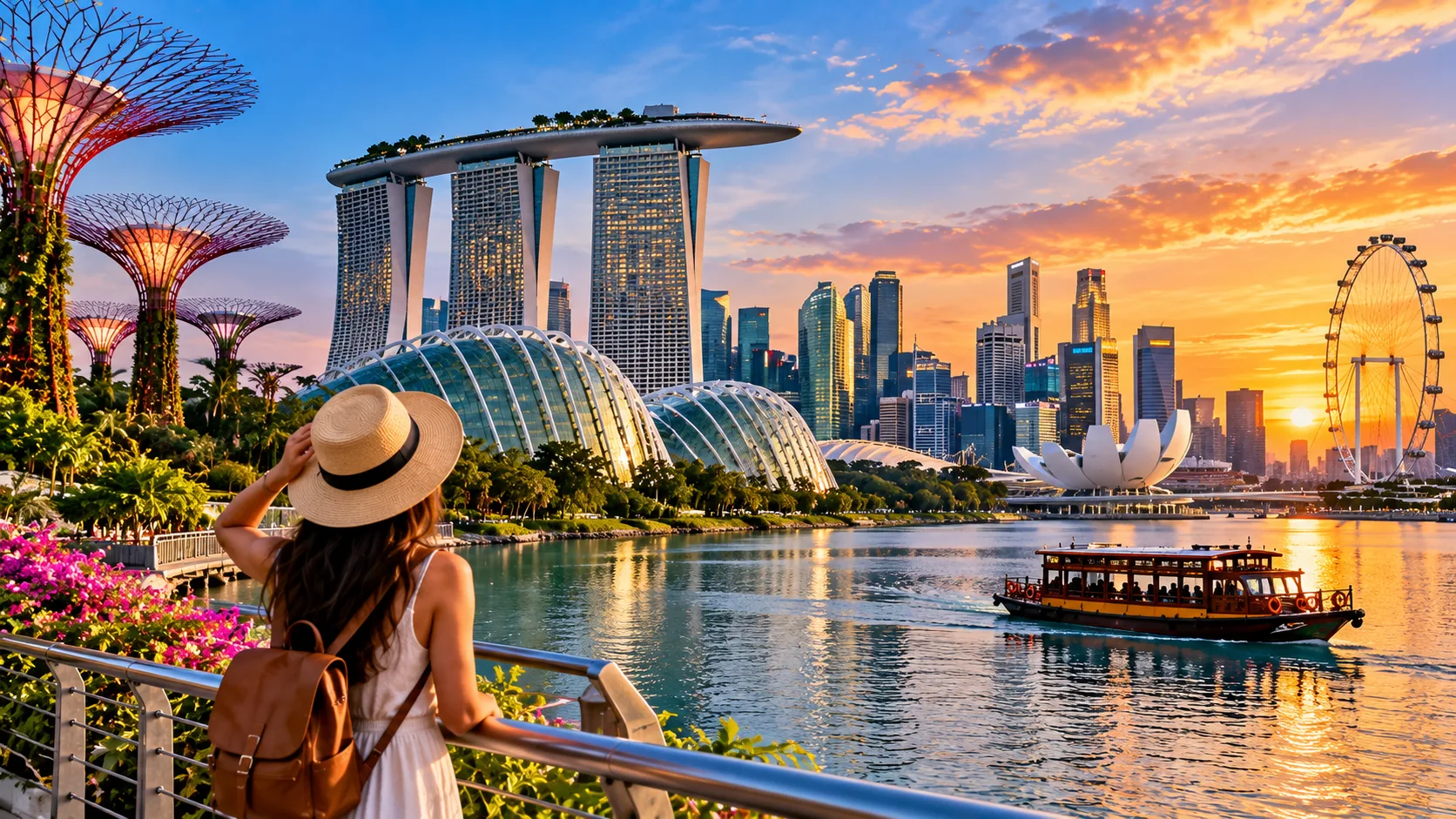
Singapore is one of Southeast Asia’s most exciting travel destinations, known for its modern skyline, beautiful gardens, cultural neighborhoods, and delicious food. Although the country is relatively small, it offers an impressive variety of attractions and experiences. From the famous Marina Bay Sands to the colorful streets of Chinatown, traveling to Singapore provides opportunities to explore modern architecture and rich cultural traditions.
Visitors are attracted to Singapore because of its efficient transportation system, diverse cuisine, and well-maintained public spaces. The city combines futuristic buildings with historic temples, traditional markets, and tropical greenery. Whether you enjoy shopping, sightseeing, cultural experiences, or nature, Singapore has plenty of interesting places to discover during your vacation.
This guide explains everything you need to know before traveling to Singapore, including entry requirements, transportation, accommodation, popular attractions, and estimated expenses. You will also learn about the best time to visit, local customs, and practical travel tips. These details will help you organize a comfortable and enjoyable Singapore trip.
Why Is Singapore One of the Best Places to Visit?
Singapore is a unique destination because it combines modern infrastructure with diverse cultural influences. Visitors can explore impressive skyscrapers, waterfront attractions, and historic neighborhoods within a relatively compact area. The city is known for its urban planning and extensive public transportation network. These features make exploring different attractions convenient for many international travelers.
Another reason to visit Singapore is its multicultural heritage. Chinese, Malay, Indian, and other communities have contributed to the country’s traditions, festivals, architecture, and cuisine. Travelers can experience this diversity by exploring different neighborhoods and trying regional dishes. Each area provides a different perspective on Singapore’s history and contemporary culture.
Singapore also offers attractions for families, couples, solo travelers, and groups. Popular experiences include visiting tropical gardens, exploring museums, enjoying scenic waterfront walks, and discovering wildlife attractions. The country provides a combination of indoor and outdoor activities suitable for different weather conditions. This variety makes Singapore an appealing destination throughout the year.
Where Is Singapore Located?
Singapore is a small island country in Southeast Asia, located near the southern end of the Malay Peninsula. It lies just south of Malaysia and north of Indonesia’s Riau Islands. Despite its limited geographical size, Singapore is an important international transportation and business center. Its location makes it a convenient destination for travelers exploring Southeast Asia.
The country consists of the main island and several smaller islands. Most major tourist attractions are located on the main island, while destinations such as Sentosa provide additional recreational experiences. Singapore has a tropical climate with warm temperatures and high humidity throughout the year. Rainfall can occur during any season.
Singapore is also one of the world’s major aviation hubs, with Changi Airport connecting the country to many international destinations. Travelers can reach the city center through public transportation, taxis, and other approved services. The country’s compact layout makes it possible to visit several attractions during a relatively short vacation.
Singapore Visa and Entry Requirements for Tourists
Before traveling to Singapore, visitors should check whether they need an entry visa. Visa requirements depend on the passport or travel document they hold. Citizens of some countries can visit without obtaining a visa in advance, while others must apply before departure. Travelers holding Pakistani passports, for example, generally require a Singapore entry visa.
Most foreign visitors must have passports valid for at least six months and meet the relevant immigration requirements. Travelers may also need proof of onward travel, sufficient funds, and permission to enter their next destination. Having an approved visa does not automatically guarantee admission. Immigration authorities determine whether travelers satisfy the conditions for entry.
Visitors are generally required to submit the Singapore Arrival Card, also called the SG Arrival Card, within three days before arrival, including the arrival day. Certain travelers are exempt under official rules. The submission is free and separate from a visa application. Always verify current entry requirements through Singapore’s Immigration and Checkpoints Authority before traveling.
Best Time to Visit Singapore
Singapore experiences tropical weather throughout the year, with warm temperatures, high humidity, and regular rainfall. Average daytime conditions are generally suitable for sightseeing, although outdoor activities can feel hot. Unlike destinations with four distinct seasons, Singapore does not experience traditional winter or summer weather. Visitors should prepare for occasional tropical showers regardless of travel dates.
February through April can be appealing for travelers seeking outdoor sightseeing opportunities. However, rainfall and humidity remain possible during these months. November through January is often associated with wetter northeast monsoon conditions. Weather patterns vary, so travelers should not expect completely dry conditions during any particular month.
The best time to visit also depends on festivals, school holidays, and accommodation prices. Popular celebrations and major events can attract additional visitors and increase demand for hotels. Travelers who prefer quieter experiences may benefit from choosing dates outside major holiday periods. Checking current weather forecasts and local events helps with planning.
Explore Marina Bay Sands and the Waterfront
Marina Bay is one of Singapore’s most recognizable areas, featuring impressive architecture and beautiful waterfront scenery. The Marina Bay Sands complex is particularly famous for its distinctive three-tower design and elevated rooftop structure. Visitors can explore nearby shopping areas, restaurants, and public spaces. The surrounding waterfront provides excellent opportunities for sightseeing and photography.
The Marina Bay Sands SkyPark Observation Deck offers panoramic views of Singapore’s skyline from an elevated location. Visitors should check current admission requirements and operating hours before planning their visit. The famous rooftop infinity pool is reserved for eligible hotel guests rather than general observation deck visitors. These facilities provide different ways to appreciate the city’s architecture.
The Marina Bay waterfront is especially attractive during the evening when buildings and surrounding attractions become illuminated. Travelers can enjoy scenic walks and discover nearby landmarks such as Merlion Park. Public transportation makes the area convenient to reach from different neighborhoods. Marina Bay is an excellent starting point for first-time visitors.
Discover Gardens by the Bay
Gardens by the Bay is one of Singapore’s most impressive attractions, combining tropical plants with modern landscape design. Located near Marina Bay, the gardens feature large green spaces, distinctive structures, and indoor conservatories. Visitors can explore different environments while learning about plants from around the world. The attraction is popular with families and nature enthusiasts.
The Supertree Grove is among the most recognizable features of Gardens by the Bay. These large vertical garden structures create a futuristic landscape and support various environmental functions. Visitors can also explore the Flower Dome and Cloud Forest, which contain carefully maintained plant collections. Admission arrangements vary between outdoor areas and ticketed attractions.
Evening visits offer another memorable experience because the Supertrees are featured in a light-and-sound presentation. The surrounding pathways also provide attractive views of the gardens and city skyline. Comfortable walking shoes are useful because the grounds cover a substantial area. Allow several hours if you plan to explore the main attractions.
Visit Sentosa Island for Beaches and Entertainment
Sentosa Island is one of Singapore’s most popular recreational destinations, offering beaches, entertainment venues, and family-friendly activities. Located south of the main island, it is connected by several transportation options. Visitors can enjoy coastal scenery while exploring attractions designed for different interests. Sentosa provides a contrast to Singapore’s busy commercial districts.
Siloso Beach, Palawan Beach, and Tanjong Beach are among Sentosa’s best-known coastal areas. Each offers a different atmosphere, from lively beachfront surroundings to quieter relaxation spaces. Visitors can enjoy designated swimming areas, scenic walks, and nearby facilities. Always follow local beach safety notices and check water conditions before swimming.
Sentosa is also home to major entertainment attractions, including Universal Studios Singapore. Visitors can explore themed experiences, restaurants, and additional recreational venues across the island. Admission prices and operating schedules vary depending on the attraction. Planning your preferred activities in advance can help you make better use of your time.
Explore Chinatown, Little India, and Kampong Gelam
Singapore’s cultural neighborhoods are excellent places to discover the country’s history and traditions. Chinatown is known for its historic streets, traditional shops, and popular dining areas. Visitors can explore cultural landmarks and learn about the Chinese community’s contribution to Singapore. The neighborhood combines heritage attractions with modern businesses and restaurants.
Little India offers a different atmosphere with colorful buildings, markets, and South Asian cultural influences. Visitors can discover traditional shops, local food, and places of worship. The neighborhood is particularly lively during major cultural celebrations. Respectful sightseeing and appropriate behavior at religious sites help create a positive visitor experience.
Kampong Gelam is another historic district known for its Malay and Arab cultural heritage. The area features Sultan Mosque, traditional shops, and streets filled with cafes and creative businesses. Haji Lane is particularly popular for its colorful surroundings and independent stores. Exploring these neighborhoods reveals Singapore’s cultural diversity beyond its modern skyline.
Enjoy Singapore’s Famous Food and Hawker Centers
Food is an important part of Singapore’s cultural identity and one of the highlights of visiting the country. Its cuisine reflects Chinese, Malay, Indian, and other culinary influences. Visitors can discover a wide variety of dishes ranging from traditional noodle meals to rice-based specialties. Exploring local food is an enjoyable way to experience Singaporean culture.
Hawker centers are popular dining locations where independent food stalls offer different meals in shared seating areas. Well-known examples include Maxwell Food Centre and Lau Pa Sat. Visitors can try dishes such as chicken rice, laksa, satay, and roti prata. Prices vary depending on the location, stall, and selected meal.
When visiting hawker centers, observe local dining etiquette and follow posted instructions for returning trays. Some stalls accept digital payments, while others may prefer cash. Travelers with dietary restrictions should ask about ingredients before ordering. Singapore’s food culture provides memorable experiences for visitors interested in trying authentic local dishes.
How to Get Around Singapore Using Public Transportation
Singapore has an extensive public transportation system that makes traveling between major attractions convenient. The Mass Rapid Transit system, commonly called the MRT, connects different parts of the city through multiple railway lines. Trains are generally a practical option for reaching shopping districts, cultural neighborhoods, and tourist attractions. Stations are well marked and connected to other transportation services.
Public buses provide additional connections to areas not directly served by MRT stations. Travelers can use supported contactless payment cards or suitable transport cards for many journeys. Payment options and applicable fees depend on the method used. Checking official transportation information before departure can help visitors choose a convenient arrangement.
Taxis and licensed ride-hailing services are also available for travelers who prefer direct transportation. These options can be useful when carrying luggage or traveling with family members. However, fares may increase during busy periods. Combining public transportation with occasional taxi journeys can provide a comfortable and flexible sightseeing experience.
Where to Stay in Singapore for First-Time Visitors
Choosing the right accommodation area can make a significant difference to your Singapore travel experience. Marina Bay is popular with visitors who want access to waterfront attractions and luxury accommodation. The area offers impressive skyline views and convenient transportation connections. However, hotels here may be more expensive than options in other neighborhoods.
Orchard Road is another established accommodation area, particularly for travelers interested in shopping and dining. Chinatown offers a combination of cultural attractions, restaurants, and accommodation options across different budgets. Bugis is also popular because of its central location and access to public transportation. Each neighborhood provides a different atmosphere.
Before booking accommodation, consider your budget, nearby MRT stations, and the attractions you want to visit. Staying close to public transportation can reduce travel time and daily transportation expenses. Review recent guest feedback and hotel facilities carefully. Booking in advance may provide a wider selection during popular travel periods.
How Much Does a Trip to Singapore Cost?
Singapore can be more expensive than several other Southeast Asian destinations, particularly when it comes to accommodation. However, visitors can manage expenses by choosing suitable hotels, using public transportation, and eating at hawker centers. The overall cost depends on travel dates, personal preferences, and planned activities. Luxury experiences naturally require a larger budget.
Accommodation is often one of the biggest expenses during a Singapore vacation. Budget-conscious travelers may consider hostels or modest hotels, while others prefer comfortable midrange properties. Meals at hawker centers can cost considerably less than dining at premium restaurants. Public transportation also provides an affordable alternative to frequent taxi journeys.
Attraction tickets, shopping, and entertainment can increase daily expenses. Travelers should research admission prices before arriving and identify which experiences matter most. Singapore also offers enjoyable public spaces, walking areas, and selected free attractions. Creating a daily spending plan can help balance memorable activities with responsible financial planning.
Important Singapore Travel Rules and Local Customs
Singapore has clear laws and public behavior expectations that visitors should understand before traveling. Regulations cover matters such as littering, smoking restrictions, and conduct in public transportation areas. Following posted signs and respecting local instructions helps avoid unnecessary problems. Visitors should familiarize themselves with relevant rules instead of relying on assumptions.
Singapore also has specific restrictions on certain goods brought into the country. Many chewing gum products are prohibited from import, subject to limited approved exceptions. Other products may be prohibited or require special authorization. Travelers should check official customs guidance before packing unfamiliar items or medication.
Respecting local customs is another important part of visiting Singapore. The country has diverse religious and cultural communities, so appropriate behavior at temples, mosques, and other cultural sites is essential. Ask permission before photographing individuals and follow dress requirements where applicable. Polite communication and consideration for shared spaces contribute to a positive travel experience.
Essential Packing Tips for Singapore
Packing for Singapore should reflect its tropical weather and urban environment. Lightweight, breathable clothing is generally comfortable because temperatures and humidity remain high throughout much of the year. Comfortable walking shoes are especially useful for exploring neighborhoods and large attractions. A compact umbrella or lightweight rain jacket can help during unexpected showers.
Sun protection is another important consideration for outdoor sightseeing. Travelers may benefit from sunscreen, sunglasses, and a hat when spending extended periods outside. Reusable drinking water bottles are also convenient for staying hydrated. Indoor shopping centers and public transportation may feel cooler because of air conditioning, so a light extra layer can be useful.
Visitors should also bring essential travel documents, payment methods, and suitable charging equipment. Singapore generally uses Type G electrical sockets, so travelers may need a compatible adapter. Check the voltage compatibility of electronic devices before connecting them. Keeping important belongings organized helps make airport transfers and sightseeing more convenient.
Common Mistakes to Avoid When Visiting Singapore
One common mistake is trying to visit too many attractions in a single day. Although Singapore is relatively compact, major attractions can require several hours to explore properly. Traveling between locations also takes time, particularly during busy periods. Organizing sightseeing by neighborhood can make your itinerary more comfortable.
Another mistake is assuming that every attraction is free or available without advance reservations. Some gardens and public areas offer free access, while museums, observation decks, and entertainment venues may charge admission. Operating schedules and ticket arrangements can also change. Checking official visitor information helps avoid disappointment.
Visitors sometimes overlook the weather when planning outdoor activities. Singapore’s heat, humidity, and sudden rainfall can affect sightseeing comfort. Schedule regular breaks and consider indoor attractions during particularly hot or rainy periods. A flexible travel plan makes it easier to enjoy the city without unnecessary pressure.
Conclusion
Singapore offers a remarkable combination of modern architecture, cultural heritage, beautiful gardens, and memorable food experiences. From Marina Bay Sands and Gardens by the Bay to Chinatown and Sentosa Island, the country provides a wide variety of attractions. Its efficient transportation system also makes exploring different neighborhoods convenient for many visitors.
Planning your trip carefully can help you make the most of your time and travel budget. Consider entry requirements, accommodation locations, transportation methods, and seasonal weather before departure. Researching attraction tickets and local regulations is equally important. These practical preparations can make your Singapore vacation smoother and more enjoyable.
Whether you are visiting for a short city break or a longer Southeast Asian holiday, Singapore has plenty to discover. Take time to explore both its famous landmarks and everyday neighborhoods. Enjoy local cuisine, respect cultural traditions, and remain flexible with your itinerary. A thoughtfully planned trip can provide a memorable introduction to this fascinating destination.
Frequently Asked Questions
1. Is Singapore a good destination for first-time international travelers?
Yes, Singapore is a popular destination for first-time international travelers because of its established public transportation system and extensive tourist facilities. Visitors should still check entry requirements, local regulations, and travel arrangements before departure.
2. How many days are enough to explore Singapore?
Three to five days can provide a good introduction to Singapore’s major attractions, including Marina Bay, Gardens by the Bay, Chinatown, and Sentosa. Longer stays allow more time for museums and cultural experiences.
3. What is the best month to travel to Singapore?
February through April can be appealing for sightseeing, although Singapore experiences tropical temperatures and rainfall throughout the year. The ideal month depends on weather preferences, major events, and travel budgets.
4. Is Singapore expensive for tourists?
Singapore can be relatively expensive, especially for accommodation and premium attractions. However, visitors can reduce costs by using public transportation, choosing affordable accommodations, and enjoying meals at local hawker centers.
5. Do tourists need a visa to visit Singapore?
Visa requirements depend on the traveler’s nationality and passport. Some visitors are visa-exempt, while others need advance approval. Most travelers must also submit the SG Arrival Card within the required period before arrival.