

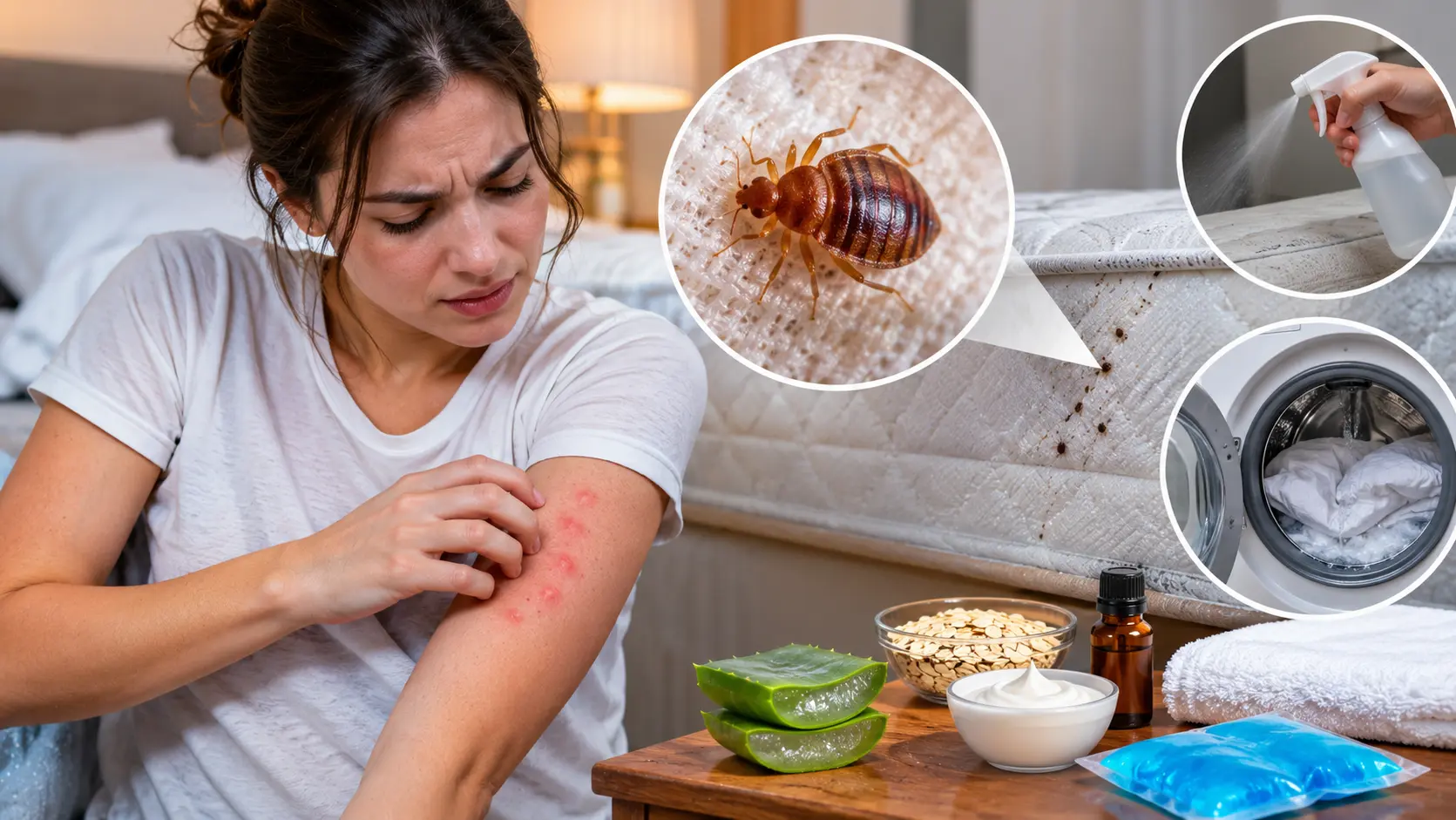
Bed bugs bites can cause itchy bumps, skin irritation, and discomfort that may interrupt your sleep. These small insects feed on human blood, usually while people are resting, and their bites can resemble those of mosquitoes or fleas. However, the appearance of a bite varies depending on skin tone, individual reactions, and other factors.
Understanding bed bug bites helps you recognize possible symptoms, manage itching, and identify signs of an infestation. Some people develop noticeable skin reactions, while others experience almost no visible symptoms. This guide explains what bed bug bites look like, how they appear on different skin tones, and which treatment and prevention methods can help.
What Are Bed Bugs Bites?
Bed bug bites are skin reactions that may develop after bed bugs feed on human blood. Bed bugs are small, flat, reddish-brown insects that commonly hide near sleeping areas. They usually emerge when people are resting and feed through the skin. Their saliva contains substances that can trigger itching, swelling, and other reactions in some individuals.
Unlike certain other insects, bed bugs are not known to spread diseases to humans through their bites. However, repeated exposure may cause discomfort, disturbed sleep, and anxiety about an infestation. Scratching itchy areas can also damage the skin and occasionally lead to infection. Recognizing the symptoms early can help you address both the irritation and its possible source.
Bed bugs can enter homes through luggage, secondhand furniture, clothing, and other belongings. Their presence does not necessarily indicate poor cleanliness because they can survive in many living environments. They often hide inside mattress seams, furniture joints, and small cracks near beds. Finding the insects or physical evidence of them is more reliable than identifying bites alone.
What Do Bed Bugs Bites Look Like?
People searching for bed bugs bites look like examples often expect to see small red bumps arranged in straight lines. In reality, bed bug bite reactions vary considerably between individuals. Some people develop raised, itchy spots, while others experience flat patches or mild swelling. A few bites may appear close together, but their arrangement is not always predictable.
Bed bug bites may form small clusters or appear in a loose line on exposed areas of skin. On lighter skin, the affected spots often look pink or red, sometimes with a darker center. The surrounding area may become slightly swollen or irritated. However, these features can also appear with other insect bites, making visual identification uncertain.
Another important detail is that bed bug bites do not always become visible immediately. Some people notice marks within hours, while others develop symptoms several days after exposure. Individuals who have previously reacted may respond differently from someone experiencing their first bites. Therefore, appearance and timing alone cannot confirm that bed bugs caused the reaction.
How Do Bed Bugs Bites Appear on Black Skin?
The appearance of bed bugs bites on black skin can differ from the bright red marks commonly shown in online photographs. On darker skin tones, affected areas may appear brown, purple, darker than the surrounding skin, or only slightly discolored. Raised bumps and swelling may be more noticeable than redness. Itching can still occur regardless of how visible the marks are.
When considering what bed bugs bites look like on black skin, it is helpful to focus on texture, swelling, and changes from the person’s usual skin appearance. Some bites produce small raised areas, while others create broader patches of irritation. Certain reactions may also leave temporary dark marks after healing. These changes are called post-inflammatory hyperpigmentation and can take time to fade.
Different skin tones can show different visible reactions even when the underlying cause is similar. Photographs taken under poor lighting may also make discoloration difficult to recognize. Avoid assuming that a bite must look red to be caused by an insect. If symptoms are persistent, unusual, or worsening, a healthcare professional can help assess the skin.
Bed Bugs Bites vs Mosquito Bites
Comparing bed bugs bites vs mosquito bites can be confusing because both may cause itchy, raised skin reactions. Mosquito bites often appear as individual swollen bumps shortly after exposure. Bed bug bite reactions may develop later and sometimes appear in groups. However, neither the number of bumps nor their arrangement provides a reliable diagnosis by itself.
Mosquitoes commonly bite people outdoors or in areas where the insects are active. Bed bugs are more often associated with sleeping or resting near infested furniture. Nevertheless, mosquitoes can enter bedrooms, and bed bugs can bite during daylight under certain conditions. The location and timing of exposure can offer clues but cannot confirm the cause.
Another difference involves the surrounding evidence. Mosquitoes may be visible around windows, standing water, or outdoor spaces, while bed bugs usually hide in narrow indoor spaces. Finding dark spotting, shed skins, or live bed bugs near a mattress supports suspicion of an infestation. Identifying the insect is more useful than comparing photographs of bites alone.
Bed Bugs Bites vs Flea Bites
Understanding bed bugs bites vs flea bites involves examining possible exposure and the distribution of skin reactions. Flea bites often appear around ankles and lower legs, although they can occur elsewhere. Bed bug bites may develop on arms, shoulders, neck, and other areas exposed during sleep. Both can cause small, itchy bumps that look very similar.
Fleas are frequently associated with animals, carpets, and upholstered furniture. Households with pets may notice scratching or signs of fleas in bedding and other resting areas. Bed bugs, in comparison, prefer hiding near places where people sleep. However, a home can contain either insect regardless of whether pets are present.
The best way to distinguish these insects is to inspect the environment for evidence rather than relying only on bite patterns. Fleas are small, dark insects that can jump, while bed bugs are flattened and cannot fly or jump. If the source remains unclear, a pest control professional can help identify it. Accurate identification allows you to choose appropriate control measures.
Common Symptoms of Bed Bug Bites
Itching is one of the most common symptoms associated with bed bug bites. The affected skin may develop raised bumps, mild swelling, or localized irritation. Some people notice discomfort during the night or after waking up. However, symptoms are highly individual, and not everyone develops visible skin changes after being bitten.
Repeated scratching may make the affected area more irritated and prolong discomfort. Broken skin can create an opportunity for bacteria to enter, potentially causing a secondary infection. Signs such as increasing pain, warmth, spreading redness or discoloration, and discharge deserve medical attention. Keeping the skin clean and avoiding excessive scratching can help reduce unnecessary complications.
Bed bug exposure can also affect sleep and emotional well-being, particularly when an infestation remains unresolved. People may feel uncomfortable resting in a room where they suspect insects are present. These concerns can continue even when bite reactions are mild. Addressing the source of the infestation is important for restoring a comfortable sleeping environment.
Bed Bugs Bites Treatment: What Helps?
Effective bed bugs bites treatment focuses on relieving symptoms and preventing irritation while the skin heals. Most uncomplicated bite reactions improve without specialized medical treatment. Gently washing the affected area with mild soap and water can help keep the skin clean. Avoid harsh cleaning products because they may increase dryness or irritation.
A cool compress can provide temporary relief from itching and mild swelling. Apply a clean, cool cloth to the affected area for a short period whenever discomfort becomes noticeable. Avoid placing ice directly against the skin, since prolonged cold exposure can cause irritation. Keeping fingernails short may also help limit accidental skin damage from scratching.
For persistent itching, a pharmacist or healthcare professional may recommend an appropriate anti-itch product. Options can include certain over-the-counter creams or antihistamines, depending on the person’s age and medical circumstances. Always follow product directions and seek professional guidance when uncertain. Treating the skin can reduce discomfort, but it will not remove bed bugs from the home.
Bed Bugs Bites Treatment at Home
For mild reactions, bed bugs bites treatment at home usually begins with simple skin care. Wash the area gently, avoid scratching, and use a cool compress when necessary. Loose, comfortable clothing may reduce friction against irritated skin. These measures are easy to incorporate into everyday routines and can make the healing period more comfortable.
Some people consider home remedies such as aloe vera or other soothing skin products. However, not every natural ingredient has reliable evidence supporting its effectiveness for insect bites. Fragranced products and homemade mixtures may also irritate sensitive skin. Test unfamiliar skincare products cautiously and stop using anything that increases burning, itching, or redness.
Avoid applying household insect sprays, disinfectants, or strong chemical mixtures to bite marks. These substances are intended for other purposes and may harm the skin. If symptoms are severe or fail to improve, professional medical advice is more appropriate than experimenting with increasingly strong remedies. Safe home care should prioritize comfort, cleanliness, and protection from additional irritation.
How Long Do Bed Bug Bites Take to Heal?
Many uncomplicated bed bug bites improve within one to two weeks, although individual healing times vary. Some mild reactions disappear sooner, while more noticeable irritation may take longer to settle. Scratching can delay recovery and increase the likelihood of lasting marks. The healing process also depends on the person’s skin sensitivity and overall reaction.
A bite may remain itchy even after the insect has finished feeding and moved away. This happens because the skin’s inflammatory response can continue after the original exposure. Repeated bites may create new marks while older spots are healing. As a result, it can appear that one reaction is lasting longer when several separate bites are involved.
Some individuals develop temporary darker patches after the original bumps disappear. These marks may be more noticeable on darker skin tones and can fade gradually over time. Protecting the affected skin from additional irritation may help avoid worsening discoloration. Persistent marks or unusual changes should be assessed by a qualified healthcare professional.
When Should You See a Doctor for Bed Bug Bites?
Most bed bug bites do not require urgent medical treatment, but certain symptoms deserve professional evaluation. Seek advice if itching becomes difficult to manage or the affected skin develops increasing pain, warmth, or swelling. Discharge, fever, or spreading inflammation may indicate a possible infection. Early assessment can help prevent further complications.
A small number of people may experience a more serious allergic reaction after insect exposure. Widespread hives, significant swelling, or other unusual symptoms should not be ignored. Difficulty breathing or swelling involving the mouth or throat requires emergency medical care. These reactions are uncommon, but recognizing warning signs is an important part of safe bite management.
Medical evaluation is also helpful when the cause of the skin reaction remains uncertain. Other insects, allergic reactions, and skin conditions can produce marks resembling bed bug bites. A healthcare professional can assess symptoms and recommend suitable treatment. Correct identification matters because treating the wrong condition may delay appropriate care.
Bed Bugs Bites: How to Get Rid of Them
People searching bed bugs bites how to get rid of them usually need help with two separate problems: healing existing bite marks and stopping future bites. Skin care can relieve itching, but it cannot eliminate an infestation. Bed bugs must be addressed in the surrounding environment. Otherwise, additional bites may continue even after earlier reactions have healed.
Begin by carefully checking mattress seams, bed frames, headboards, and nearby furniture for possible signs of bed bugs. Look for live insects, shed skins, eggs, and small dark stains. Wash appropriate bedding and clothing, then dry heat-safe fabrics according to their care labels. Vacuuming accessible cracks and using suitable protective mattress encasements can support a broader control plan.
Persistent infestations often require professional pest control because bed bugs can hide in very small spaces. A qualified professional can identify the insects and recommend an appropriate treatment strategy. Avoid using unapproved chemicals, improvised heating methods, or insecticides directly on your body. Effective control usually requires careful inspection, coordinated treatment, and follow-up monitoring.
How to Prevent Bed Bug Bites in the Future
Preventing future bites begins with reducing the chance of bringing bed bugs into your sleeping environment. When traveling, inspect the bed area before unpacking and keep luggage away from the mattress when practical. Check secondhand furniture carefully before bringing it indoors. These precautions are not guarantees, but they may reduce opportunities for unnoticed insects to enter your home.
At home, keeping sleeping areas organized can make inspections and cleaning easier. Reducing unnecessary clutter removes some hiding spaces, although cleanliness alone cannot prevent or eliminate bed bugs. Regularly examine bedding and furniture if you have identified an earlier problem. Early detection may help keep a small infestation from becoming more difficult to control.
If bed bugs have already been confirmed, follow the pest control plan consistently and complete recommended follow-up inspections. Avoid moving potentially infested belongings into other rooms without guidance, since this may spread the problem. Monitoring after treatment helps determine whether the infestation has been controlled. Preventing new bites requires addressing the insects rather than relying only on skincare products.
Conclusion
Bed bugs bites can cause itching, swelling, and uncomfortable skin reactions, but symptoms vary widely from person to person. The marks may resemble mosquito or flea bites and can appear differently across skin tones. Recognizing possible symptoms is useful, but bite appearance alone cannot confirm an infestation. Looking for physical evidence provides a more reliable starting point.
Most mild bed bug bite reactions can be managed through gentle cleaning, cool compresses, and appropriate itch relief. Avoiding excessive scratching may help prevent additional irritation and secondary infection. Persistent symptoms, signs of infection, or serious allergic reactions require medical attention. Simple, cautious care is generally more useful than applying unproven or harsh home remedies.
The most effective long-term approach combines symptom management with proper bed bug control. Inspecting sleeping areas, handling bedding carefully, and seeking professional pest management when necessary can help reduce further exposure. Bed bugs can affect many types of homes, regardless of cleanliness. Taking practical action early can support better sleep, healthier skin, and a more comfortable living environment.
FAQs
What do bed bugs bites look like?
Bed bug bites may appear as small, itchy bumps, sometimes in clusters or lines. Their color varies with skin tone, and some people develop no visible reaction. Bite marks alone cannot confirm bed bugs.
How do bed bug bites look on dark skin?
On darker skin, bed bug bites may look brown, purple, or darker than the surrounding area rather than bright red. Swelling, raised bumps, itching, and temporary discoloration may also occur.
What is the fastest way to relieve bed bug bites?
Gently clean the affected skin and use a cool compress to reduce itching. Appropriate anti-itch products may also help. Most uncomplicated reactions heal naturally, although recovery time varies.
Can bed bugs bite through clothes?
Bed bugs generally feed on accessible skin rather than biting through clothing. However, loose garments may allow insects to reach exposed areas. Clothing alone is not a dependable solution for preventing bites.
How can I permanently get rid of bed bug bites?
Existing bites usually heal with time and suitable skin care. Preventing new bites requires eliminating the infestation through proper cleaning, inspection, and often professional pest control, followed by monitoring for remaining insects.