

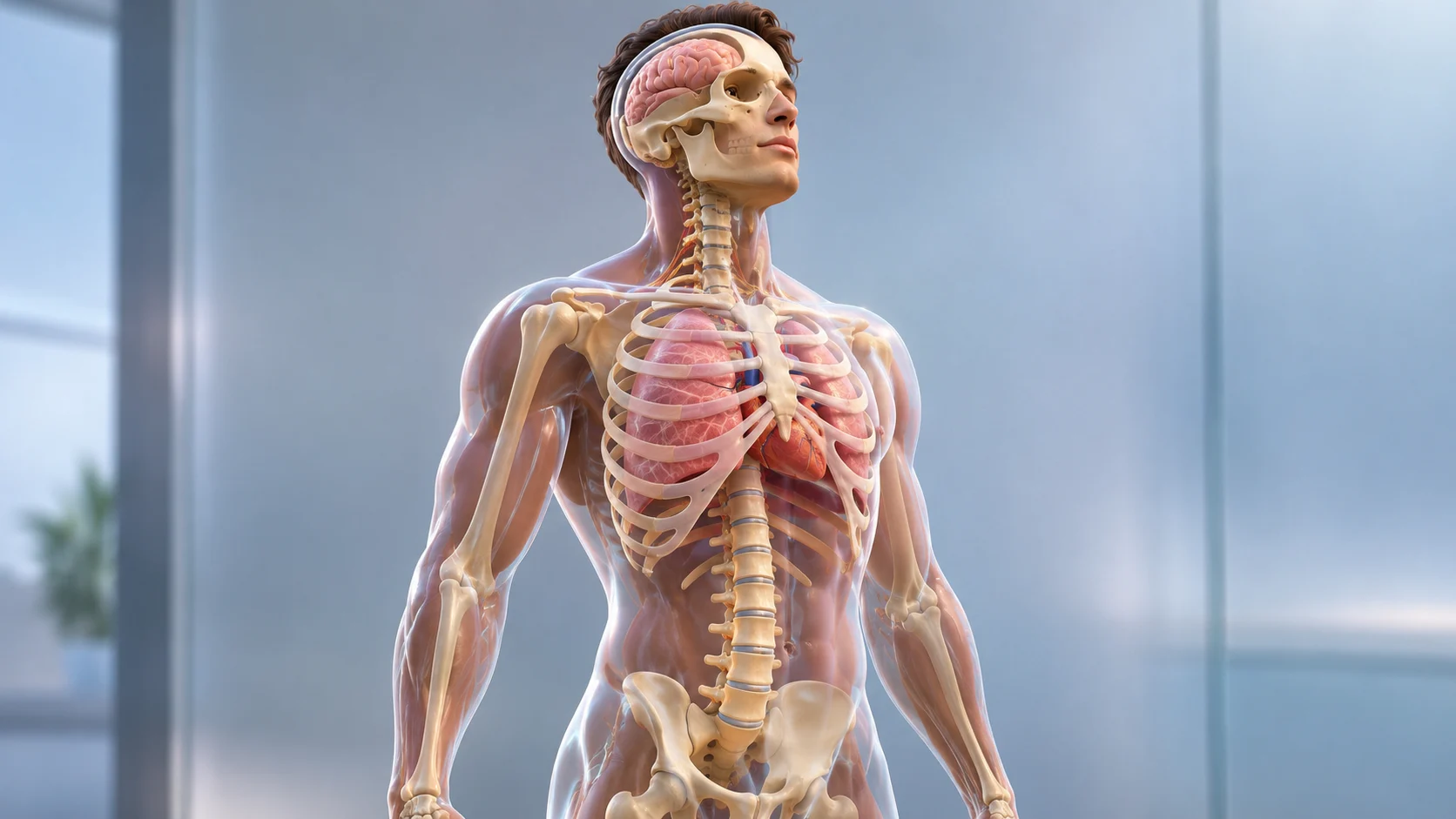
The human body depends on a strong internal framework to maintain its shape, protect important organs, and perform everyday movements. Without this framework, standing, walking, running, and even sitting would become impossible. The skeletal system provides the structure needed to keep the body stable while allowing flexibility and movement.
But how does the human skeleton protect and support the body? The answer involves more than simply having strong bones. The skeleton works with muscles, joints, cartilage, and ligaments to support body weight, protect delicate organs, and make physical activity possible.
An adult human skeleton typically contains 206 bones, each contributing to important functions. From protecting the brain to supporting the spine and producing blood cells, the skeletal system performs several essential jobs. Understanding its structure and functions can help you appreciate why healthy bones matter throughout life.
What Is the Human Skeletal System?
The human skeletal system is the body’s internal framework, made up of bones, cartilage, joints, and ligaments. These structures work together to support the body’s shape and provide stability during movement. Bones form the main framework, while joints and connective tissues allow different body parts to move and function properly.
The skeleton is divided into two major sections called the axial skeleton and the appendicular skeleton. The axial skeleton includes the skull, vertebral column, ribs, and sternum. The appendicular skeleton consists of the shoulders, arms, hands, pelvic girdle, legs, and feet, which support movement and physical activity.
Although bones may appear solid and lifeless, they are living tissues that constantly change and repair themselves. They contain blood vessels, nerves, minerals, and specialized cells responsible for bone maintenance. This living structure allows the skeletal system to respond to physical demands and support the body throughout life.
How Does the Human Skeleton Support the Body?
The skeleton provides the structural support that allows the human body to maintain its natural shape. Bones act like an internal framework, holding tissues and organs in their proper positions. Without this supportive structure, the body would lack the stability required for standing upright and performing controlled movements.
Different bones support specific regions of the body according to their size, shape, and location. The vertebral column supports the head and torso, while the pelvis transfers weight between the trunk and lower limbs. The bones of the legs and feet help distribute body weight during standing and walking.
The skeletal system also provides attachment points for muscles, tendons, and other connective tissues. These attachments allow muscles to generate controlled movement while maintaining proper body alignment. Together, bones and supporting tissues create a stable but flexible system that makes everyday physical activities possible.
How Does the Skeleton Protect Important Organs?
One of the most important functions of the human skeleton is protecting delicate internal organs from external forces. Several bones form protective structures around vital tissues, reducing their exposure to everyday impacts. These protective features are especially important for organs involved in breathing, circulation, and nervous system function.
The skull surrounds the brain, while the vertebral column helps protect the spinal cord. The rib cage forms a protective framework around the heart and lungs, and the pelvis provides partial protection for organs in the lower abdomen. Each structure combines strength with a shape suited to its location.
Bones cannot prevent every injury, but they provide an important physical barrier against many types of harm. Surrounding muscles, connective tissues, and other body structures provide additional protection. Together, these components help keep internal organs in place and reduce the effects of certain external forces.
How Does the Skull Protect the Brain?
The skull is a protective structure made from several bones that surround the brain and support the face. Its rounded shape forms a rigid enclosure around delicate nervous tissue. Most skull bones are connected by strong, immovable joints called sutures, which provide stability after normal childhood development.
The cranium is the part of the skull that directly surrounds and protects the brain. It helps distribute some external forces and provides a strong barrier against everyday impacts. The skull also contains openings that allow nerves and blood vessels to pass between the brain and other body regions.
Although the skull offers valuable protection, serious head injuries can still affect the brain. Protective equipment, such as properly fitted helmets during relevant activities, can provide additional safety. The skull works alongside the meninges and cerebrospinal fluid to help protect the brain from certain mechanical forces.
How Does the Rib Cage Protect the Heart and Lungs?
The rib cage forms a protective framework around the upper chest, where the heart and lungs are located. It consists of twelve pairs of ribs, the sternum, and the thoracic vertebrae. These bones help shield important organs while maintaining the shape and stability of the chest.
Most ribs connect to the sternum directly or indirectly through flexible costal cartilage, while the lower floating ribs do not attach to it at the front. These connections allow the chest to expand and contract during breathing. This flexibility is essential because the lungs need enough space to change volume as air moves in and out.
The rib cage also supports muscles involved in breathing, including the intercostal muscles. During inhalation, movements of the ribs and diaphragm help increase chest volume, allowing the lungs to expand. This combination of protection and controlled movement makes the rib cage essential for normal respiratory function.
How Does the Spine Support and Protect the Body?
The spine, also called the vertebral column, provides central support for the head and torso. It consists of a series of vertebrae arranged in a flexible column extending from the skull to the pelvis. Its natural curves help distribute body weight and maintain balance during standing and movement.
The vertebrae surround the spinal canal, which houses and helps protect the spinal cord. This important nerve pathway carries signals between the brain and many regions of the body. Openings between vertebrae allow spinal nerves to travel outward and communicate with muscles, skin, and internal structures.
Intervertebral discs provide cushioning between most neighboring vertebrae and allow controlled movement. Muscles and ligaments surrounding the spine contribute additional stability and support. Together, these structures help the body bend, twist, maintain posture, and perform everyday activities while protecting important nervous tissue.
How Does the Pelvis Support Body Weight?
The pelvis forms a strong connection between the spine and the lower limbs. It consists of the hip bones, sacrum, and coccyx, creating a stable structure at the base of the torso. This arrangement transfers weight from the upper body toward the legs during standing and walking.
The pelvic bones also provide attachment points for muscles involved in balance, posture, and movement. Strong muscles around the hips and pelvis help stabilize the body when changing positions. The hip joints connect the pelvis to the thigh bones, allowing activities such as walking, climbing stairs, and sitting.
In addition to supporting weight, the pelvis offers protection to structures within the pelvic cavity. These include portions of the urinary, digestive, and reproductive systems. Its combination of stability, support, and protective anatomy makes the pelvis an essential part of the human skeletal system.
How Do Bones and Muscles Work Together?
Bones and muscles work together through the musculoskeletal system to produce controlled movement. Bones provide rigid structures, while skeletal muscles generate force by contracting. Tendons connect muscles to bones, allowing muscular force to move different body segments around their joints.
For example, when you bend your elbow, the biceps muscle helps pull the forearm toward the upper arm. The elbow joint provides the movement pathway, while surrounding muscles help control the action. Similar interactions occur throughout the body during walking, lifting, running, and other physical activities.
Muscles also help stabilize joints and maintain posture when the body is not moving. Without the skeletal framework, muscular contractions would not produce the same organized movements. The partnership between muscles, bones, tendons, and joints is essential for maintaining balance, coordination, and physical function.
Why Are Joints Important for Movement and Support?
Joints are the locations where two or more bones meet. Some joints allow extensive movement, while others provide mainly stability and protection. Their structure determines how much movement is possible and helps the skeleton perform different tasks without losing overall support.
The shoulder and hip are examples of ball-and-socket joints that allow movement in several directions. Hinge joints, such as the elbow, mainly support bending and straightening. Other joint types provide smaller or more specialized movements that contribute to everyday physical coordination.
Cartilage, ligaments, and surrounding muscles help joints function smoothly and remain stable. Articular cartilage reduces friction at many movable joint surfaces, while ligaments connect bones and help limit excessive movement. Healthy joints allow the skeleton to remain flexible while maintaining the stability needed for safe physical activities.
How Does Cartilage Help Protect the Skeleton?
Cartilage is a flexible connective tissue found in several parts of the skeletal system. It covers the ends of many bones within movable joints and helps reduce friction during movement. Unlike rigid bone, cartilage can deform under pressure, allowing it to contribute to cushioning and load distribution.
Different types of cartilage perform different roles throughout the body. Articular cartilage supports smooth joint movement, while costal cartilage connects many ribs to the sternum. Cartilage also provides structure in areas such as the nose and external ears, where flexibility is important.
Joint cartilage works with surrounding tissues and joint fluid to help manage forces during everyday activities. However, cartilage has a limited ability to repair certain injuries because it contains relatively few blood vessels. Protecting joint health through suitable activity and injury prevention supports comfortable movement over time.
How Do Ligaments Keep the Skeleton Stable?
Ligaments are strong bands of connective tissue that connect bones to other bones. They help stabilize joints and guide movement within appropriate ranges. Without ligaments, many joints would become less secure and more vulnerable to excessive or uncontrolled motion.
Different ligaments support different joints according to their structure and location. Knee ligaments help control movement between the thigh and lower leg, while ankle ligaments provide stability during standing and walking. Ligaments around the spine also contribute to maintaining proper alignment between vertebrae.
Although ligaments are strong, excessive stretching or sudden forces can damage them. Injuries may affect joint stability and temporarily limit normal movement. Appropriate physical conditioning, proper movement technique, and sufficient recovery help support the tissues responsible for maintaining skeletal stability.
How Does the Skeleton Help Maintain Body Posture?
Good posture depends on the coordinated function of bones, muscles, and joints. The skeleton provides the structural alignment needed to support the head, torso, and limbs. The spine’s natural curves help distribute forces while allowing the body to remain upright during standing and sitting.
Muscles surrounding the spine, abdomen, hips, and shoulders contribute to postural control. They make continuous adjustments as the body changes position or responds to movement. This cooperation between muscles and bones helps maintain balance without requiring the skeleton to remain completely rigid.
Posture naturally changes throughout the day depending on physical activity and comfort. Regular movement, comfortable working positions, and suitable muscular conditioning can help support the body during daily tasks. Rather than maintaining one fixed position, healthy postural habits involve flexibility and frequent changes in movement.
How Does the Skeleton Produce Blood Cells?
The skeletal system performs important functions beyond protection and physical support. Inside certain bones is red bone marrow, a specialized tissue responsible for producing blood cells. This process is called hematopoiesis and is essential for maintaining normal blood circulation and immune function.
Red bone marrow produces red blood cells, many types of white blood cells, and platelets. Red blood cells carry oxygen, white blood cells help defend against infections, and platelets contribute to blood clotting. These cells develop from specialized stem cells before entering the bloodstream.
In adults, active red bone marrow is concentrated mainly in bones such as the pelvis, ribs, sternum, vertebrae, and parts of certain long bones. This means the skeleton supports the body both mechanically and biologically. Healthy bone marrow is necessary for maintaining the blood cells that support everyday life.
How Do Bones Store Important Minerals?
Bones act as an important storage site for minerals, particularly calcium and phosphorus. These minerals contribute to bone strength and support several essential body processes. Calcium is involved in muscle contraction, nerve signaling, and blood clotting, while phosphorus helps with energy production and cellular functions.
The body constantly regulates mineral levels through interactions between bones, kidneys, intestines, and hormones. When necessary, minerals can move between bone tissue and the bloodstream. This process helps maintain stable conditions for normal body function while supporting ongoing bone maintenance.
Adequate nutrition is important because bones undergo continuous renewal throughout life. Foods containing calcium, phosphorus, protein, and other essential nutrients support skeletal health. Vitamin D also plays a major role by helping the body absorb calcium and maintain normal bone mineralization.
How Do Bones Grow and Repair Themselves?
Bones are living tissues that continually undergo a process called bone remodeling. Specialized cells remove older bone tissue while other cells build new bone. This ongoing renewal helps maintain skeletal structure and allows bones to adapt gradually to changing physical demands.
During childhood and adolescence, bones increase in size and strength as the body develops. Growth plates near the ends of many long bones allow lengthwise growth before they eventually close. Balanced nutrition, regular activity, adequate sleep, and normal hormonal function all contribute to healthy skeletal development.
Bones can also repair damage after a fracture through a coordinated healing process. The body forms new tissue around the damaged area and gradually remodels it over time. Healing depends on factors such as the injury, blood supply, overall health, and appropriate medical care.
How Does the Skeleton Help With Balance and Coordination?
Balance depends on the interaction between the skeleton, muscles, nervous system, and sensory organs. Bones provide a stable framework that allows the body to respond to changes in position. Joints and surrounding tissues supply mechanical support as muscles make small adjustments to maintain stability.
The feet, ankles, knees, hips, and spine are especially important during standing and walking. Their coordinated movements help distribute body weight and manage changes in direction. Sensory information from muscles and joints also helps the nervous system understand where different body parts are positioned.
This awareness of body position is known as proprioception. It allows people to adjust movements without constantly looking at their arms or legs. When skeletal structures and supporting muscles function together effectively, they contribute to smoother movement, better coordination, and greater stability during everyday activities.
What Happens When the Skeletal System Becomes Weak?
A weakened skeletal system may have difficulty providing normal support and protection. Certain health conditions can reduce bone density, damage joints, or interfere with normal movement. Osteoporosis, for example, makes bones more likely to fracture because their internal structure becomes less strong.
Skeletal problems may affect everyday activities such as walking, lifting objects, or maintaining comfortable posture. Joint conditions can also cause stiffness, discomfort, or reduced mobility. The effects depend on the specific condition, its severity, and the areas of the body involved.
Recognizing persistent pain, unexplained swelling, or changes in movement is important for protecting skeletal health. A healthcare professional can evaluate symptoms and recommend appropriate care when necessary. Early assessment of concerning problems may help prevent complications and support better long-term mobility.
How Can You Keep Your Bones Strong and Healthy?
Maintaining healthy bones begins with balanced nutrition and suitable physical activity. Calcium-rich foods, adequate protein, and vitamin D support normal bone development and maintenance. A varied diet containing dairy or fortified alternatives, vegetables, legumes, and other nutrient-rich foods can contribute to overall skeletal health.
Regular movement also helps bones and supporting muscles remain strong. Walking, dancing, appropriate strength exercises, and other enjoyable activities can support bone health when performed safely. Activities should match a person’s age, abilities, and medical needs, with gradual progression when learning unfamiliar movements.
Other important habits include getting sufficient sleep, using suitable protective equipment, and reducing preventable injury risks. Avoiding smoking and excessive alcohol consumption also supports long-term bone health. Consistent daily habits are more useful than occasional extreme efforts when maintaining a strong and healthy skeletal system.
Conclusion
The human skeleton protects and supports the body through a combination of strong bones, flexible joints, and specialized connective tissues. It provides the framework needed to maintain body shape, support weight, and perform everyday movements. Important structures such as the skull, rib cage, spine, and pelvis also help protect delicate internal organs.
Beyond providing physical protection, the skeletal system performs several essential biological functions. Bones store important minerals, contain blood-forming marrow, and continually renew their living tissue. Working with muscles, ligaments, and cartilage, the skeleton supports posture, movement, balance, and coordination throughout life.
Keeping the skeletal system healthy requires balanced nutrition, regular physical activity, adequate rest, and appropriate injury prevention. Understanding how the human skeleton protects and supports the body can encourage better everyday habits. Strong bones and healthy supporting tissues contribute to comfortable movement, physical independence, and overall well-being.
Frequently Asked Questions
How does the human skeleton protect the body?
The skeleton protects important organs through strong bony structures. The skull surrounds the brain, the rib cage shields the heart and lungs, and the vertebral column helps protect the spinal cord.
What are the five main functions of the skeletal system?
The five commonly recognized functions are support, protection, movement, mineral storage, and blood cell production. Together, these functions maintain body structure, support essential biological processes, and allow controlled physical activity.
How does the skeleton support body movement?
Bones provide attachment points and act as levers for muscles. When muscles contract, they pull on bones through tendons, creating movement around joints while surrounding tissues help maintain stability.
Why is the skeletal system important for posture?
The skeletal system provides the structural framework that supports the head, torso, and limbs. The spine and surrounding muscles work together to maintain balance and allow comfortable changes in body position.
What helps keep the human skeleton strong?
Balanced nutrition, adequate calcium and vitamin D, regular physical activity, and sufficient rest support skeletal health. Suitable exercise and injury prevention also help maintain bone strength, joint stability, and normal movement.